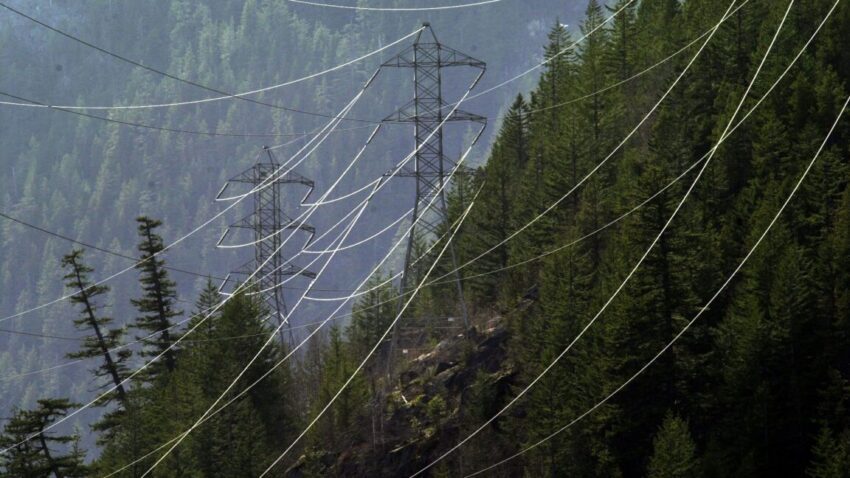
trump s energy secretary orders a washington The Trump administration has intervened to keep the last coal-fired power plant in Washington state operational, reversing a long-planned transition to cleaner energy sources.
trump s energy secretary orders a washington
Background of the Centralia Power Plant
The Centralia electric generating facility, located in southwest Washington, has been a significant player in the region’s energy landscape for decades. Initially commissioned in the 1970s, the plant has primarily relied on coal as its fuel source. Over the years, it has faced increasing scrutiny due to environmental concerns and the growing push for renewable energy sources. As part of a broader trend toward decarbonization, Washington state has implemented stringent regulations aimed at reducing carbon emissions from power generation.
In 2011, Washington passed a law mandating the closure of coal-fired power plants by 2025, which included a phased transition for the Centralia facility. The law required the plant’s owner, Canadian energy company TransAlta, to retrain workers and invest in community programs to facilitate the economic transition away from coal. This transition was seen as a critical step in addressing climate change and moving towards a more sustainable energy future.
Transition Plans and Community Impact
The planned closure of the Centralia coal plant was not merely a regulatory requirement; it was also a significant economic and social transition for the local community. The region has historically relied on the coal industry for jobs and economic stability. As part of the transition plan, TransAlta committed to retraining workers and investing in local initiatives to support the community’s shift to alternative energy sources.
Local stakeholders, including government officials and community leaders, had been actively engaged in discussions about the future of the region’s energy landscape. The transition to natural gas was expected to cut carbon emissions from the plant by approximately 50%, a substantial reduction that would contribute to Washington’s broader climate goals.
Trump Administration’s Intervention
However, the Trump administration’s recent decision to intervene has thrown these plans into disarray. On Tuesday, the Department of Energy declared that an “emergency exists” in the Pacific Northwest due to a reported shortage of electricity. Energy Secretary Chris Wright stated that to ensure the reliability of the electrical grid, the Centralia facility must continue to operate using coal for at least an additional 90 days.
This decision aligns with President Trump’s broader agenda to support the coal industry, which has faced significant challenges in recent years due to competition from cheaper natural gas and renewable energy sources. The administration has consistently advocated for policies that favor fossil fuel production, often at the expense of environmental regulations and climate commitments.
Implications of the Decision
The decision to keep the Centralia coal plant operational raises several critical questions about the future of energy policy in the United States. First and foremost, it highlights the ongoing tension between economic interests and environmental sustainability. While the administration argues that the move is necessary to maintain energy reliability, critics contend that it undermines years of progress toward reducing carbon emissions and transitioning to cleaner energy sources.
Furthermore, the intervention could have significant implications for the local community. The planned transition to natural gas was expected to provide a more stable and sustainable economic foundation for workers and residents. By extending the life of the coal plant, the administration risks delaying necessary investments in renewable energy and infrastructure that could support long-term economic growth.
Reactions from Stakeholders
The response to the Trump administration’s decision has been swift and varied. Environmental groups have condemned the move, arguing that it represents a significant setback in the fight against climate change. Many activists view the continued operation of the Centralia coal plant as a direct contradiction to Washington state’s climate goals and a betrayal of the community’s efforts to transition to cleaner energy sources.
Local government officials have also expressed concern about the implications of the decision. Many had worked closely with TransAlta and community organizations to prepare for the transition away from coal. The sudden reversal has created uncertainty and anxiety among residents who were looking forward to new job opportunities in renewable energy sectors.
Support for the Decision
On the other hand, some stakeholders have expressed support for the administration’s decision, citing the immediate need for reliable energy sources in the region. Proponents argue that the current energy landscape is fraught with challenges, including supply shortages and rising electricity prices. They contend that keeping the Centralia plant operational is a pragmatic response to these pressing concerns.
Future of Energy Policy in Washington State
The intervention at the Centralia coal plant raises broader questions about the future of energy policy in Washington state and the United States as a whole. As states grapple with the dual challenges of ensuring energy reliability and meeting climate goals, the path forward remains uncertain. The decision to extend the life of the coal plant may set a precedent for future interventions in energy markets, complicating efforts to transition to cleaner sources of power.
Moreover, the situation underscores the need for a comprehensive energy strategy that balances economic, environmental, and social considerations. As the nation moves toward a more sustainable energy future, it is essential to engage all stakeholders in meaningful dialogue about the best path forward.
Conclusion
The Trump administration’s order to keep the Centralia coal plant operational has significant implications for Washington state’s energy landscape and the broader national conversation about energy policy. While the immediate focus may be on addressing electricity shortages, the long-term consequences of this decision could hinder progress toward a cleaner, more sustainable energy future. As stakeholders navigate this complex situation, the need for collaboration and innovative solutions has never been more critical.
Source: Original report
Was this helpful?
Explore more: More Big Tech & Platforms Tech News Blog
Last Modified: December 20, 2025 at 11:41 am
15 views