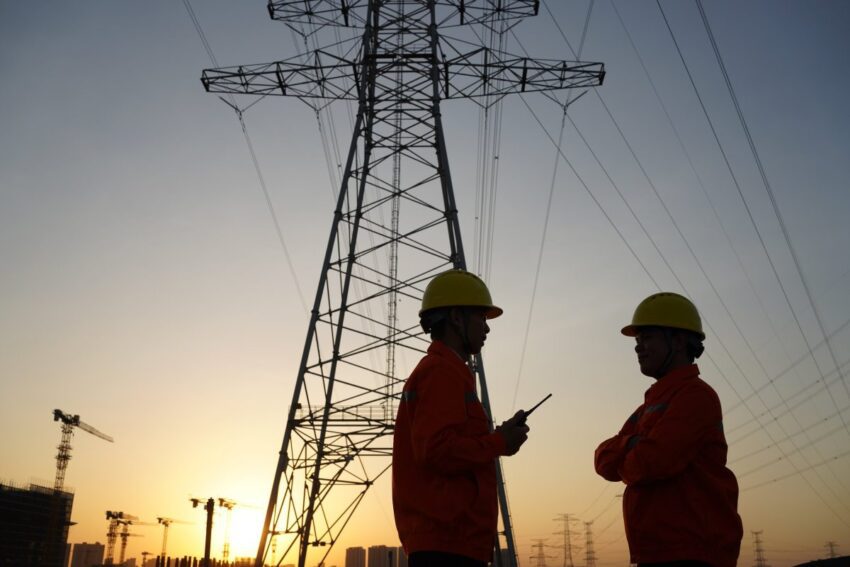
trump administration wants tech companies to buy In a significant move to address escalating electricity prices, the Trump administration is urging the grid operator PJM to conduct an auction for new generating capacity, targeting tech companies to participate in the bidding process.
trump administration wants tech companies to buy
Background on the Electricity Market
The electricity market in the United States has been undergoing substantial changes, driven by various factors including increased demand, aging infrastructure, and a shift towards renewable energy sources. The PJM Interconnection, which manages the electric grid for 13 states and the District of Columbia, plays a crucial role in ensuring that supply meets demand while maintaining grid reliability.
As electricity prices have surged in recent years, the need for new generating capacity has become more pressing. The PJM’s capacity auctions are designed to ensure that there is enough electricity available to meet future demand, but rising costs have made it challenging for traditional power producers to remain competitive. This has led to a call for innovative solutions, including the involvement of tech companies.
The Proposal
The Trump administration’s proposal aims to invite tech companies to invest in new power plants, with a total capacity of $15 billion. This initiative is seen as a way to diversify the energy market and leverage the technological capabilities of these companies to enhance grid efficiency.
Objectives of the Auction
The primary objectives of this auction include:
- Reducing Electricity Prices: By increasing the supply of electricity through new generating capacity, the administration hopes to lower prices for consumers and businesses alike.
- Encouraging Innovation: Tech companies are known for their innovative approaches. Their involvement could lead to the development of more efficient and sustainable energy solutions.
- Diversifying Energy Sources: The inclusion of tech companies in the energy sector could promote a wider variety of energy sources, potentially increasing the use of renewables.
Stakeholder Reactions
The proposal has elicited a range of reactions from various stakeholders in the energy sector. While some view it as a positive step towards modernization, others express skepticism about the feasibility and implications of such a move.
Support from Tech Companies
Some tech companies have shown interest in the proposal, recognizing the potential for new business opportunities. Companies that have previously invested in renewable energy and energy efficiency technologies may see this as a chance to further expand their portfolios. For instance, firms like Google and Amazon have already made significant investments in renewable energy projects, and participating in this auction could align with their sustainability goals.
Caution from Traditional Energy Producers
On the other hand, traditional energy producers have raised concerns about the impact of this initiative on the existing market. Many of these companies have invested heavily in infrastructure and may view the auction as a threat to their business models. They argue that the involvement of tech companies, which may not have the same level of expertise in energy production, could lead to inefficiencies and increased costs in the long run.
Regulatory Considerations
Regulatory bodies are also weighing in on the proposal. The Federal Energy Regulatory Commission (FERC) will need to assess the implications of allowing tech companies to participate in the capacity auction. There are concerns about how this could affect market dynamics and whether it would lead to fair competition. Ensuring that the auction process is transparent and equitable will be crucial to its success.
Implications for the Energy Sector
The implications of this proposal extend beyond just the immediate goal of reducing electricity prices. It could signal a shift in how the energy market operates, with tech companies playing a more significant role in energy production and distribution.
Potential for Increased Investment in Renewables
One of the most significant implications could be an increase in investment in renewable energy sources. Tech companies are often at the forefront of innovation and sustainability, and their participation in the energy market could lead to a greater emphasis on clean energy solutions. This aligns with broader national goals of reducing carbon emissions and transitioning to a more sustainable energy future.
Challenges Ahead
However, the transition may not be without challenges. Integrating new technologies and business models into the existing grid infrastructure will require careful planning and coordination. There may also be regulatory hurdles to overcome, as existing laws and regulations may not be well-suited to accommodate the entry of tech companies into the energy sector.
Impact on Consumers
For consumers, the potential benefits of this proposal could be significant. If successful, the auction could lead to lower electricity prices and improved service reliability. However, there is also the risk that the introduction of new players could lead to market volatility, at least in the short term. Consumers will need to stay informed about how these changes may affect their energy bills and service options.
Conclusion
The Trump administration’s push for tech companies to bid in a $15 billion auction for new power plants represents a bold step towards addressing rising electricity prices and modernizing the energy sector. While the proposal has garnered support from some quarters, it also faces skepticism and concerns from traditional energy producers and regulatory bodies. The outcome of this initiative could have far-reaching implications for the energy market, consumer prices, and the future of renewable energy investment in the United States.
Source: Original report
Was this helpful?
Explore more: DevOps Services More Cloud & DevOps Tech News
Last Modified: January 17, 2026 at 10:44 am
15 views