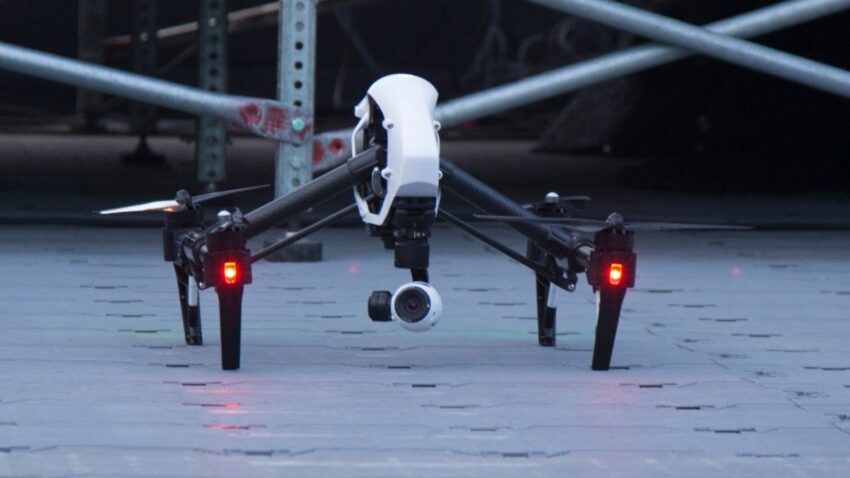
trump administration s ban on foreign-made drones The Trump administration’s recent ban on foreign-made drones marks a significant shift in the landscape of consumer technology, particularly affecting the availability of popular models from companies like DJI.
trump administration s ban on foreign-made drones
Background of the Ban
The ban, which officially takes effect this week, is part of a broader strategy by the U.S. government to curb reliance on foreign technology, especially from China. This move is rooted in national security concerns, as U.S. officials have raised alarms about the potential for foreign-made drones to be used for espionage or data collection. The administration’s stance reflects ongoing tensions between the U.S. and China, particularly in the realm of technology and trade.
In recent years, the drone market has seen explosive growth, with applications ranging from recreational use to commercial and governmental purposes. DJI, a Chinese company, has dominated this market, accounting for a significant share of drone sales globally. The company’s products are known for their advanced features, ease of use, and affordability, making them a favorite among hobbyists and professionals alike.
Implications of the Ban
The implications of this ban are multifaceted, affecting consumers, businesses, and the broader technology ecosystem. Here are some key points to consider:
- Consumer Impact: For consumers, the immediate effect will be the unavailability of new DJI models and potentially other foreign-made drones. This could lead to limited choices in the market, driving prices up for existing models and alternatives from domestic manufacturers.
- Market Dynamics: The ban could create opportunities for U.S.-based drone manufacturers to fill the gap left by foreign competitors. However, these companies may face challenges in matching the technological advancements and pricing strategies of established brands like DJI.
- Innovation Stifling: Experts warn that such bans could stifle innovation in the drone industry. By limiting competition, U.S. companies may have less incentive to innovate, potentially slowing the overall growth of the sector.
- International Relations: The ban could exacerbate tensions between the U.S. and China, potentially leading to retaliatory measures from the Chinese government. This could further complicate trade relations and impact other sectors beyond consumer technology.
Stakeholder Reactions
The announcement of the ban has elicited a range of reactions from various stakeholders, including consumers, industry experts, and government officials.
Consumer Reactions
Many consumers have expressed disappointment over the ban, particularly those who rely on DJI drones for personal or professional use. Social media platforms have seen a surge of discussions, with users sharing their concerns about the lack of alternatives and the potential increase in prices for existing models. Some users have indicated they may turn to the second-hand market to find DJI drones, while others are exploring lesser-known brands that may not be as well-established.
Industry Expert Opinions
Industry experts have weighed in on the potential consequences of the ban. Some argue that while national security is a valid concern, the approach taken by the administration may not be the most effective way to address these issues. They suggest that fostering collaboration and transparency between U.S. and foreign companies could lead to better security outcomes without sacrificing consumer choice.
Others have pointed out that the U.S. drone industry has the potential to innovate and grow in response to the ban. However, they caution that this will require significant investment in research and development, as well as support from the government to help domestic companies compete on a global scale.
Government Officials’ Perspectives
Government officials have largely defended the ban, emphasizing the importance of protecting national security. They argue that foreign-made drones pose a risk to sensitive information and critical infrastructure. The administration has stated that the ban is necessary to ensure that American consumers are not inadvertently putting their data and privacy at risk.
Future of the Drone Market
As the ban takes effect, the future of the drone market in the U.S. remains uncertain. Several factors will play a critical role in shaping the landscape:
- Domestic Innovation: The ability of U.S. manufacturers to innovate and produce competitive products will be crucial. Companies like Skydio and Parrot may see increased interest as consumers seek alternatives to DJI.
- Consumer Preferences: Consumer preferences will also dictate the market’s direction. If U.S. consumers prioritize features and price, they may be willing to explore lesser-known brands, provided they can meet their needs.
- Regulatory Environment: Future regulations will play a significant role in determining how the drone market evolves. If the government continues to impose restrictions on foreign products, it may lead to a more insular market that could stifle competition.
Conclusion
The Trump administration’s ban on foreign-made drones is a pivotal moment in the ongoing conflict between U.S. and Chinese technology products. While the intention behind the ban is rooted in national security, the broader implications for consumers, businesses, and the technology landscape are complex and multifaceted. As the market adjusts to this new reality, stakeholders will need to navigate the challenges and opportunities that arise in the wake of this significant policy shift.
Source: Original report
Was this helpful?
Explore more: More Consumer Technology Tech News Blog
Last Modified: December 24, 2025 at 4:46 am
10 views