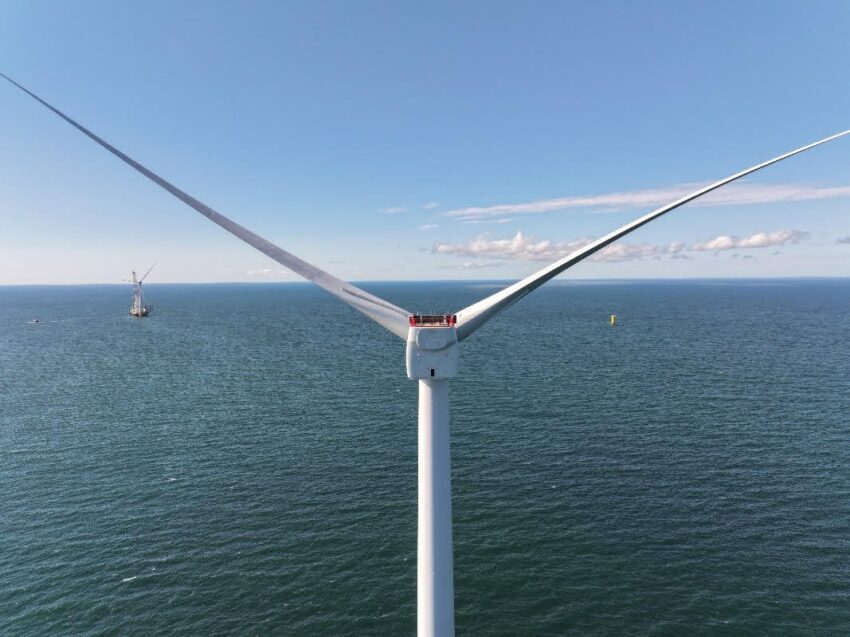
trump admin halts 6 gw of offshore The Trump administration has once again taken steps to delay the construction of 6 gigawatts of offshore wind energy projects, a significant move that could impact the renewable energy landscape in the United States.
trump admin halts 6 gw of offshore
Background on Offshore Wind Energy Development
Offshore wind energy has emerged as a critical component of the United States’ strategy to transition to renewable energy sources. With vast coastlines and favorable wind conditions, the U.S. has the potential to harness significant amounts of wind energy. The development of offshore wind farms not only promises to reduce greenhouse gas emissions but also aims to create jobs and stimulate economic growth in coastal regions.
In recent years, several states have made substantial commitments to offshore wind energy. For instance, New Jersey and New York have set ambitious targets to develop thousands of megawatts of offshore wind capacity by the end of the decade. These initiatives are part of a broader effort to combat climate change and reduce reliance on fossil fuels.
The Current Situation
The Trump administration’s recent decision to halt the leasing of 6 gigawatts of offshore wind energy projects is seen as a significant setback for the renewable energy sector. This move comes amid ongoing debates about energy policy and the future of renewable resources in the United States. The affected leases are located near a region that has become a hotspot for data center development, raising concerns about the potential conflicts between renewable energy projects and infrastructure development.
Implications of the Lease Halt
The decision to halt these leases has several implications for various stakeholders:
- Environmental Impact: Delaying offshore wind projects could hinder progress toward reducing carbon emissions. Wind energy is considered one of the cleanest forms of energy, and its development is crucial for meeting climate goals.
- Economic Consequences: The offshore wind sector is poised to create thousands of jobs in manufacturing, installation, and maintenance. Delays in project development could result in lost economic opportunities for coastal communities.
- Investor Confidence: Uncertainty surrounding federal support for renewable energy projects can deter investment. Investors may be hesitant to commit funds to projects that could face regulatory hurdles.
- Energy Security: The U.S. is striving for energy independence, and offshore wind can play a vital role in diversifying the energy portfolio. Delays in wind energy development could prolong reliance on fossil fuels.
Stakeholder Reactions
The reaction to the Trump administration’s decision has been mixed, with various stakeholders expressing their concerns and support.
Industry Response
Industry leaders in the renewable energy sector have voiced their disappointment regarding the halt of offshore wind leases. They argue that the decision undermines years of progress and investment in clean energy technologies. The American Wind Energy Association (AWEA) released a statement emphasizing the importance of offshore wind in achieving the nation’s climate goals and called for a more supportive regulatory environment.
Additionally, companies involved in offshore wind development have expressed concerns about the potential loss of jobs and economic growth opportunities. Many firms have invested heavily in the technology and infrastructure needed to support offshore wind projects, and delays could jeopardize these investments.
Political Reactions
Political reactions to the administration’s decision have also been polarized. Supporters of the Trump administration argue that the halt is necessary to protect local interests and ensure that energy development does not interfere with other critical infrastructure projects, such as data centers. They contend that a careful review of potential conflicts is essential before proceeding with large-scale renewable energy projects.
Conversely, critics argue that the decision reflects a broader trend of prioritizing fossil fuel interests over renewable energy development. Environmental advocacy groups have condemned the halt, asserting that it contradicts the urgent need for climate action. They argue that the U.S. must accelerate the transition to renewable energy sources rather than impede progress.
Future of Offshore Wind Energy in the U.S.
The future of offshore wind energy in the United States remains uncertain in light of the recent developments. While the Trump administration’s decision to halt leases is a significant setback, it is essential to consider the broader context of renewable energy policy in the U.S.
State-Level Initiatives
Despite federal challenges, several states continue to push forward with their offshore wind initiatives. States like Massachusetts, New Jersey, and New York have established ambitious targets for offshore wind capacity and are actively working to develop projects. These state-level initiatives may serve as a counterbalance to federal delays and demonstrate a commitment to renewable energy.
For instance, New Jersey recently announced plans to expand its offshore wind capacity to 11 gigawatts by 2040, showcasing a strong commitment to renewable energy despite federal uncertainties. Such initiatives could help maintain momentum in the offshore wind sector and encourage further investment.
Technological Advancements
Technological advancements in offshore wind energy are also playing a crucial role in shaping the future of the industry. Innovations in turbine design, installation techniques, and grid integration are making offshore wind projects more efficient and cost-effective. As technology continues to evolve, the potential for offshore wind energy to contribute to the U.S. energy mix will likely increase.
Public Support for Renewable Energy
Public support for renewable energy remains strong, with many Americans recognizing the importance of transitioning to cleaner energy sources. Polls consistently show that a majority of the public supports investments in renewable energy, including offshore wind. This public sentiment may influence future policy decisions and encourage lawmakers to prioritize renewable energy development.
Conclusion
The Trump administration’s decision to halt 6 gigawatts of offshore wind leases represents a significant challenge for the renewable energy sector in the United States. While the implications of this decision are far-reaching, the resilience of state-level initiatives, technological advancements, and public support for renewable energy may help mitigate the impact of federal delays. As the nation grapples with the urgent need for climate action, the future of offshore wind energy will depend on the ability of stakeholders to navigate the complexities of energy policy and advocate for a sustainable energy future.
Source: Original report
Was this helpful?
Explore more: More General Technology Tech News Blog
Last Modified: December 23, 2025 at 3:48 am
23 views