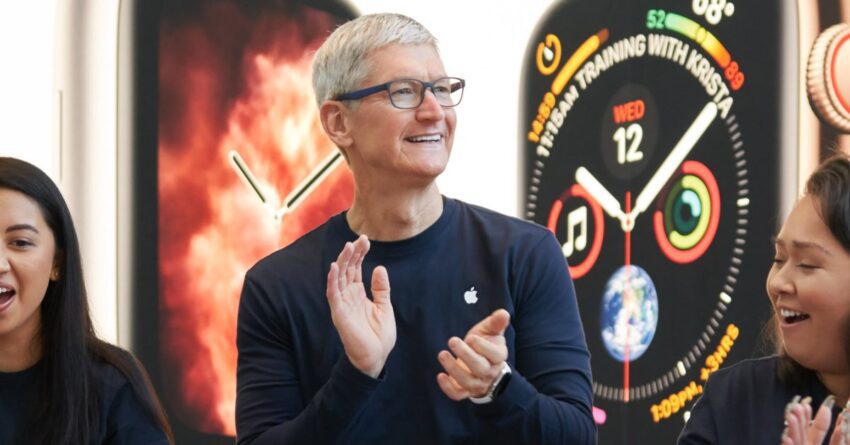
tim cook just bought 50 000 nike Apple CEO Tim Cook has made headlines by purchasing 50,000 shares of Nike, a move that has garnered significant attention from investors and analysts alike.
tim cook just bought 50 000 nike
Tim Cook’s Longstanding Relationship with Nike
Tim Cook has been a member of Nike’s board of directors for two decades, a tenure that highlights his deep connection to the brand. His involvement with Nike not only reflects his personal investment in the company but also showcases his commitment to understanding the dynamics of the athletic apparel and footwear market. This long-standing relationship has allowed Cook to gain insights into Nike’s business strategies, product innovations, and market positioning, which could be beneficial for both his role at Apple and his investment decisions.
Recent Purchase Details
Cook’s recent acquisition of 50,000 shares represents a significant increase in his stake in Nike. Prior to this purchase, Cook already held a notable number of shares, but this move effectively doubles his investment in the company. The timing of this purchase is particularly interesting, as it comes shortly after Nike reported disappointing quarterly results, leading to a 13% drop in its stock price. This decline raised concerns among investors about the company’s future performance and market competitiveness.
Market Reaction to the Purchase
The announcement of Cook’s purchase has had a positive impact on Nike’s stock, helping to stabilize the price following the recent downturn. Investors often look for signals from influential figures like Cook, and his decision to buy more shares can be interpreted as a vote of confidence in Nike’s long-term prospects. This reaction underscores the importance of leadership perception in the stock market, where the actions of high-profile executives can significantly influence investor sentiment.
Nike’s Recent Performance and Challenges
Nike’s recent quarterly results revealed a decline in sales and profits, which has raised alarms among investors. The company reported a 13% drop in stock value, a significant shift that reflects broader challenges within the retail and apparel sectors. Factors contributing to this downturn include increased competition, supply chain disruptions, and changing consumer preferences. As consumers increasingly gravitate toward online shopping and seek sustainable products, traditional retail models have faced mounting pressure.
Implications of the Quarterly Results
The disappointing quarterly results have prompted analysts to reassess their forecasts for Nike. Many are now questioning the company’s ability to maintain its market leadership in a rapidly evolving landscape. The athletic apparel market is becoming increasingly crowded, with new entrants and established brands vying for consumer attention. Nike’s ability to innovate and adapt to these changing dynamics will be crucial for its long-term success.
Stakeholder Reactions
Stakeholders, including investors, analysts, and consumers, have expressed mixed reactions to Nike’s recent performance. While some investors are encouraged by Cook’s purchase, others remain cautious. Analysts have pointed out that, despite Cook’s confidence, Nike will need to address its operational challenges and develop strategies to regain consumer trust. This sentiment is echoed by various market analysts who emphasize the importance of transparency and adaptability in navigating the current retail landscape.
The Broader Context of Tim Cook’s Investment
Cook’s investment in Nike is not just a personal financial decision; it also reflects broader trends in the technology and retail sectors. As the CEO of Apple, a company known for its innovation and market leadership, Cook’s actions are closely scrutinized. His decision to invest in Nike may signal a belief in the potential for collaboration between technology and retail, particularly as both industries increasingly intersect.
Technology and Retail Convergence
The convergence of technology and retail has become a defining trend in recent years. Companies are leveraging technology to enhance customer experiences, streamline operations, and improve supply chain efficiencies. For Nike, this has meant investing in digital platforms, mobile applications, and data analytics to better understand consumer behavior and preferences. Cook’s experience at Apple, a leader in technological innovation, may provide valuable insights as Nike navigates this landscape.
Potential for Collaboration
As both Apple and Nike continue to explore opportunities for collaboration, Cook’s investment could pave the way for future partnerships. The two companies have already collaborated on various projects, including the Apple Watch, which features fitness tracking capabilities that align with Nike’s brand ethos. As the demand for wearable technology grows, the potential for further integration between Apple’s technology and Nike’s products could lead to innovative solutions that benefit both companies.
Looking Ahead: What This Means for Investors
For investors, Cook’s purchase of Nike shares serves as a reminder of the importance of leadership confidence in assessing a company’s future prospects. While the recent quarterly results may have raised concerns, Cook’s decision to double down on his investment suggests that he believes in Nike’s ability to rebound and adapt to market challenges. Investors may want to consider this perspective when evaluating Nike’s stock and its potential for recovery.
Long-Term Investment Strategies
Investors should also take into account the broader market trends impacting Nike and the retail sector as a whole. As consumer preferences continue to shift, companies that can adapt and innovate will likely emerge as leaders. Nike’s focus on sustainability, digital transformation, and customer engagement will be key factors in determining its long-term success. Investors may want to monitor these developments closely and consider how they align with their investment strategies.
Conclusion: A Vote of Confidence
Tim Cook’s recent purchase of 50,000 Nike shares is more than just a financial transaction; it represents a vote of confidence in a brand with a storied history and a commitment to innovation. As Nike navigates the challenges posed by a changing retail landscape, Cook’s involvement may provide valuable insights and support. For investors, this development serves as a reminder of the importance of leadership perception and the potential for collaboration between technology and retail.
Source: Original report
Was this helpful?
Explore more: More Business & Startups Tech News Blog
Last Modified: December 25, 2025 at 6:44 am
18 views