this ultra-rare 90s laserdisc game console can — In a remarkable development for retro gaming enthusiasts, the Pioneer LaserActive, a rare LaserDisc game console from the 1990s, can now be emulated on PC for the first time..
In a remarkable development for retro gaming enthusiasts, the Pioneer LaserActive, a rare LaserDisc game console from the 1990s, can now be emulated on PC for the first time.
this ultra-rare 90s laserdisc game console can
The Pioneer LaserActive: A Brief Overview
this ultra-rare 90s laserdisc game console can: key context and updates inside.
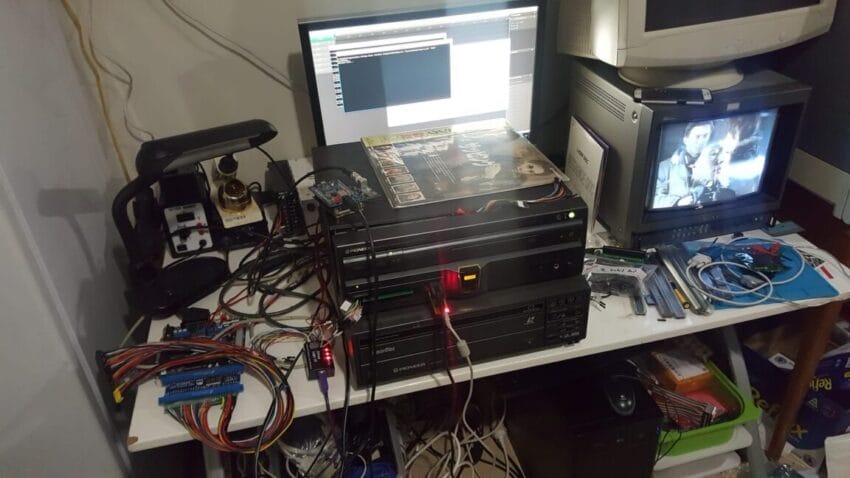
Released in 1994, the Pioneer LaserActive was an ambitious attempt to merge the worlds of video gaming and home entertainment. At its core, it was a LaserDisc player, a technology that was popular for its ability to deliver high-quality video content. However, the LaserActive was not just a passive media player; it was designed to be an interactive gaming console as well.
The console featured swappable hardware modules that allowed users to play games from two of the most popular gaming systems of the time: the Sega Genesis and the NEC TurboGrafx-16. This modular approach was innovative for its time, allowing gamers to expand their console’s capabilities without needing to purchase an entirely new system. However, the LaserActive was not without its drawbacks. The initial price point was steep, making it a luxury item that many consumers could not afford. The console retailed for approximately $970, which, adjusted for inflation, would be over $1,800 today.
Game Titles and Formats
The LaserActive supported a unique format known as Mega-LD, which referred to the games specifically designed for the console. These titles were a blend of traditional gaming mechanics and full-motion video, utilizing the LaserDisc’s capacity for high-quality video playback. Mega-LD games were essentially super-sized versions of the types of games available on early CD-ROM consoles, offering a mix of genres that appealed to a wide audience.
- Edutainment Titles: Many Mega-LD games focused on educational content, making learning fun through interactive gameplay.
- Branching Dungeon Crawlers: These games allowed players to make choices that affected the storyline and gameplay, a feature that was relatively advanced for the time.
- Quick-Time Event Challenges: Similar to the iconic Dragon’s Lair, these games required players to react quickly to on-screen prompts, blending video content with interactive gameplay.
- Rail Shooters: These titles combined standard graphics from the Genesis or TurboGrafx-16 with elaborate animated video backgrounds, often featuring live-action actors.
Despite the innovative technology and unique game offerings, the LaserActive struggled to find a substantial market. The high price point, combined with a limited library of games, meant that it never achieved the same level of popularity as its contemporaries. As a result, the LaserActive has become a collector’s item, with only a small number of units still in existence today.
The Emergence of Emulation
Fast forward to 2025, and the gaming landscape has changed dramatically. Emulation has become a popular way for gamers to experience classic titles from bygone eras. Emulators allow users to run software designed for one platform on another, often enhancing the original experience with improved graphics and performance. The release of Ares v146 marks a significant milestone in the world of emulation, as it introduces support for Mega LD titles for the first time.
What is Ares v146?
Ares is an open-source emulator that has gained a reputation for its accuracy and versatility. It supports a wide range of gaming systems, making it a favorite among retro gaming enthusiasts. The latest version, Ares v146, includes groundbreaking support for the Mega LD format, allowing players to experience the unique blend of video and gameplay that the LaserActive offered.
The addition of Mega LD support is particularly noteworthy for several reasons:
- Preservation of Gaming History: Emulation plays a crucial role in preserving gaming history. Many classic consoles and their games are at risk of being lost to time due to hardware degradation and the unavailability of original media. Ares v146 helps to safeguard these titles for future generations.
- Accessibility: With the introduction of emulation for the LaserActive, a broader audience can now experience games that were once limited to a niche market. This democratization of access allows more players to appreciate the unique qualities of Mega LD titles.
- Enhanced Experience: Emulators often come with features that enhance the original gameplay experience, such as improved graphics, save states, and customizable controls. This can make the experience of playing Mega LD games more enjoyable than it was on the original hardware.
Implications for Retro Gaming
The ability to emulate the LaserActive and its Mega LD titles has significant implications for the retro gaming community. For collectors and enthusiasts, this development opens up new avenues for exploration and nostalgia. It allows players to revisit games they may have played in their youth or discover titles they never had the chance to experience.
Moreover, the emulation of the LaserActive could spark renewed interest in the console itself. As more players become aware of its unique offerings, there may be a resurgence in the demand for original hardware and games. This could lead to increased prices in the collector’s market, as well as a greater appreciation for the innovative technology that Pioneer introduced in the 1990s.
Community Reactions
The response from the gaming community has been overwhelmingly positive. Retro gaming forums and social media platforms are abuzz with discussions about the significance of Ares v146 and the newfound accessibility of Mega LD titles. Many enthusiasts have expressed excitement about revisiting classic games and sharing their experiences with others.
Some community members have also begun to create content around the emulation of Mega LD titles, including gameplay videos, tutorials, and reviews. This kind of engagement not only enriches the gaming community but also helps to educate newer players about the history and significance of the LaserActive.
The Future of Emulation
As technology continues to advance, the future of emulation looks promising. Developers are constantly working to improve the accuracy and performance of emulators, making it possible to replicate even the most complex gaming systems. The success of Ares v146 may encourage further development in this area, leading to even more classic consoles being emulated in the years to come.
Furthermore, the growing interest in retro gaming has led to a resurgence in the production of hardware that supports emulation. Devices such as the Analogue Pocket and the Polymega are designed to allow players to enjoy classic games while maintaining the authenticity of the original hardware. This trend indicates that the gaming community values both preservation and innovation, seeking to honor the past while embracing the future.
Challenges Ahead
Despite the positive developments in emulation, challenges remain. Issues related to copyright and intellectual property rights can complicate the emulation landscape. While many developers and enthusiasts advocate for the preservation of gaming history, some companies are less supportive, viewing emulation as a threat to their intellectual property.
Furthermore, the quality of emulation can vary significantly between different titles and systems. While Ares v146 has made strides in supporting Mega LD games, not all titles may run perfectly, and some may still suffer from glitches or performance issues. Continuous development and community feedback will be essential in addressing these challenges and ensuring a smooth experience for players.
Conclusion
The emulation of the Pioneer LaserActive and its Mega LD titles represents a significant milestone in the preservation of gaming history. With the release of Ares v146, retro gaming enthusiasts can now experience a unique blend of video and gameplay that was once limited to a niche market. As interest in the LaserActive grows, so too does the potential for renewed appreciation of its innovative technology and game offerings.
As the emulation landscape continues to evolve, it will be fascinating to see how the community responds and what new developments emerge. The future of retro gaming is bright, and with advancements in technology, more classic titles may soon find their way into the hands of new generations of players.
Source: Original report
Further reading: related insights.
Further reading: related insights.
Further reading: related insights.
Was this helpful?
Explore more: More Gaming Tech News Blog
Last Modified: July 15, 2026 at 9:23 am
21 views