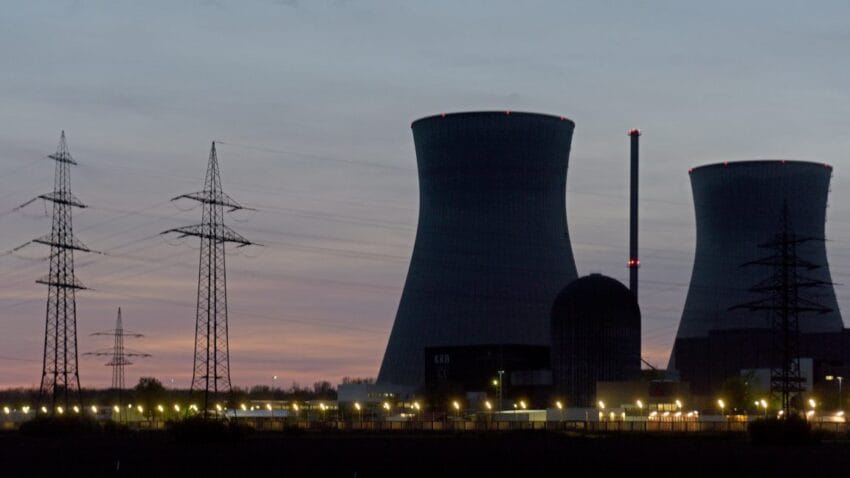
the us is trying to kick-start a The U.S. government is actively pursuing initiatives to revitalize its nuclear energy sector, aiming to establish a new era of nuclear power production.
the us is trying to kick-start a
Government Initiatives to Revitalize Nuclear Energy
In May 2025, President Donald Trump signed four executive orders designed to facilitate the construction of nuclear reactors and enhance the development of nuclear energy technology. These orders are intended to cut bureaucratic red tape, streamline approval processes, and reshape the role of the Nuclear Regulatory Commission (NRC), the primary regulatory body overseeing nuclear energy in the United States. The administration has framed these actions as part of a broader strategy to achieve American independence from foreign energy providers, heralding what they term a “nuclear energy renaissance.”
Objectives of the Executive Orders
The executive orders aim to accomplish several key objectives:
- Streamlining Regulatory Processes: By easing the approval processes for new nuclear projects, the administration hopes to accelerate the timeline for bringing new reactors online.
- Encouraging Innovation: The orders are designed to foster innovation within the nuclear sector, allowing for the development of advanced technologies that could make nuclear energy safer and more efficient.
- Boosting Domestic Production: The administration’s goal is to significantly increase the domestic production of nuclear energy, thereby reducing reliance on foreign energy sources.
The Shift in Public Perception
Self-reliance is not the only factor motivating proponents of nuclear power. Over the past few decades, the nuclear energy sector has faced significant challenges, including safety concerns stemming from high-profile accidents and the rising costs associated with nuclear power plants. However, recent developments have led to a renewed interest in nuclear energy as a viable option for addressing climate change.
Nuclear Energy and Climate Change Mitigation
One of the most compelling arguments for nuclear energy is its potential to mitigate climate change. Unlike fossil fuels, nuclear reactors operate through a process known as nuclear fission, where atoms are split to release energy. This process does not emit greenhouse gases, making nuclear energy a cleaner alternative to traditional energy sources such as coal and natural gas. As global efforts to combat climate change intensify, nuclear energy has re-emerged as a critical component of the energy mix.
Public and Political Support
The renewed interest in nuclear energy has garnered support from various stakeholders, including environmentalists who recognize the need for low-carbon energy sources. Additionally, some political leaders have begun to advocate for nuclear energy as part of a comprehensive energy strategy that includes renewable sources like wind and solar. This shift in public perception is crucial for the future of nuclear energy in the United States.
Ambitious Goals for Nuclear Energy Production
The Trump administration has set ambitious goals for the nuclear sector, aiming to quadruple domestic energy production from nuclear sources. The target is to produce 400 gigawatts of nuclear energy by 2050. Achieving this goal will require significant investment and innovation within the industry.
Role of Research Institutions
Scientific institutions, such as the Idaho National Laboratory, play a pivotal role in advancing nuclear energy technology. As a leading research institute in the field, the Idaho National Laboratory is focused on developing more efficient types of nuclear fuel and exploring advanced reactor designs. These innovations are essential for improving the safety and efficiency of nuclear power, making it a more attractive option for energy production.
Industry Investments in Nuclear Technology
In addition to government initiatives, private companies are also making substantial investments in nuclear technology. This marks a significant shift in the industry, as companies previously hesitated to invest in new reactor designs due to regulatory hurdles and public skepticism. For example, Westinghouse, a Pennsylvania-based nuclear power company, has announced plans to build ten new large reactors as part of its commitment to achieving the 2050 energy production goal. This proactive approach from the industry signals a renewed confidence in the future of nuclear energy.
Challenges Ahead
Despite the optimism surrounding the nuclear energy renaissance, several challenges remain. Safety concerns continue to loom large in the public consciousness, particularly in the wake of past nuclear accidents such as those at Three Mile Island, Chernobyl, and Fukushima. These incidents have left lasting impressions on public perception, leading to widespread apprehension about the safety of nuclear power.
Regulatory Hurdles
While the executive orders aim to streamline regulatory processes, the NRC’s role as a regulatory body remains critical. The agency is tasked with ensuring the safety and security of nuclear facilities, and any changes to its regulatory framework must prioritize public safety. Balancing the need for expedited approvals with rigorous safety standards will be a significant challenge for the administration.
Public Acceptance and Community Engagement
Another challenge lies in gaining public acceptance for new nuclear projects. Community engagement will be essential in addressing concerns and building trust among local populations. Effective communication about the safety measures in place and the environmental benefits of nuclear energy will be crucial in overcoming skepticism.
The Future of Nuclear Energy in the U.S.
The push for a nuclear energy renaissance in the United States represents a significant shift in energy policy and public perception. As the government seeks to reduce reliance on foreign energy sources and combat climate change, nuclear energy is poised to play a vital role in the nation’s energy landscape.
Global Context
Internationally, the interest in nuclear energy is also on the rise. Countries around the world are exploring nuclear power as a means to achieve energy independence and meet climate goals. The U.S. can take lessons from these global efforts, particularly in terms of safety protocols and community engagement strategies.
Long-Term Implications
The long-term implications of a nuclear energy renaissance could be profound. If successful, the U.S. could emerge as a leader in nuclear technology, exporting innovations and expertise to other countries. This could not only bolster the domestic economy but also position the U.S. as a key player in the global energy market.
Conclusion
The U.S. government’s efforts to kick-start a nuclear energy renaissance reflect a broader recognition of the role that nuclear power can play in achieving energy independence and addressing climate change. While challenges remain, the combination of government initiatives, industry investments, and a shift in public perception could pave the way for a new era of nuclear energy in the United States.
Source: Original report
Was this helpful?
Explore more: More General Technology Tech News Blog
Last Modified: September 14, 2025 at 5:35 am
23 views