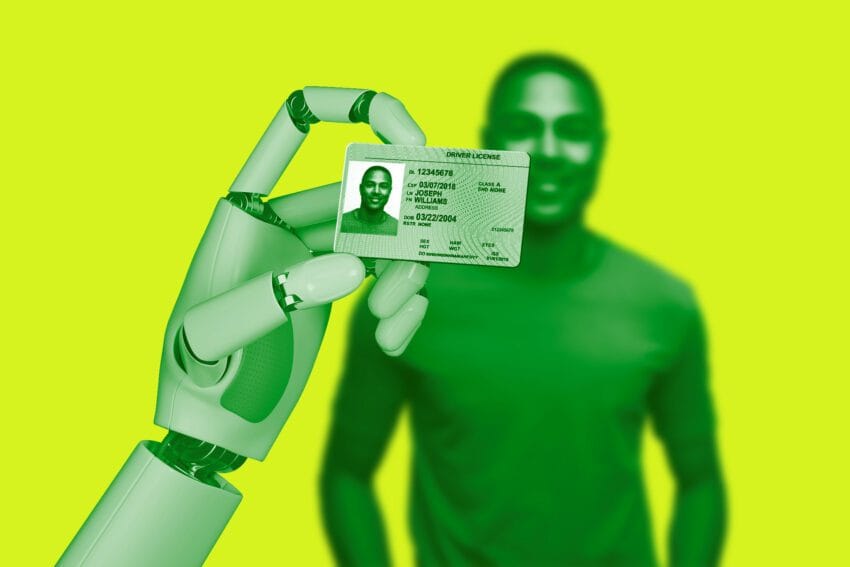
the uk announces mandatory digital id plans The UK government has announced plans to implement a mandatory national digital ID scheme aimed at curbing illegal immigration and enhancing security measures.
the uk announces mandatory digital id plans
Overview of the Digital ID Scheme
The United Kingdom is set to introduce a national digital ID scheme, which will require adults to possess a digital identification to work in the country by July 2029. This initiative was unveiled in a government press release on Friday and is part of a broader strategy to address illegal migrant work. The digital ID will be integrated into a mobile application called the GOV.UK wallet, which is currently under development.
Prime Minister Keir Starmer emphasized the potential benefits of this digital ID system, stating, “Digital ID is an enormous opportunity for the UK. It will make it tougher to work illegally in this country, making our borders more secure.” He further noted that the digital ID would simplify the process for citizens to prove their identity when accessing essential services, eliminating the need to search for physical documents like utility bills.
Implementation Timeline
The digital ID scheme is not yet finalized and will require parliamentary approval before it can be enforced. The government plans to initiate a public consultation later this year to gather feedback on how the digital ID service should be implemented. This step is crucial in ensuring that the concerns of citizens are taken into account before the scheme becomes mandatory.
Privacy Concerns and Public Reaction
The announcement of the digital ID scheme has raised significant privacy concerns among civil rights organizations. Big Brother Watch, a prominent civil liberties group, has criticized the initiative, arguing that it would “fundamentally change the nature of our relationship with the state and turn the UK into a ‘papers, please’ society.” Such sentiments reflect a growing unease regarding the potential implications of a mandatory identification system on personal freedoms and privacy.
In response to the government’s plans, a petition opposing the introduction of digital ID cards has garnered over 830,000 signatures. The petition highlights fears surrounding mass surveillance and the potential for increased digital control over citizens’ lives. Critics argue that the mandatory nature of the digital ID could lead to a slippery slope of government overreach, where individuals are constantly monitored and required to present identification for various activities.
Historical Context of Identification in the UK
The UK has historically not required its citizens to carry identification. Unlike many countries where carrying a form of ID is mandatory, the UK has operated without a national citizen ID card system. This lack of requirement has been a point of pride for many, emphasizing personal freedom and privacy. However, the introduction of a digital ID scheme marks a significant shift in this long-standing tradition.
The government’s focus on illegal immigration has intensified in recent years, particularly amid rising public concerns regarding migrant boat crossings. The pressure from right-wing populist parties, such as Reform UK, has also influenced the government’s stance on immigration policies. The digital ID scheme is seen as a response to these pressures, aiming to provide a more robust framework for verifying the identity of individuals working in the UK.
Comparison with European Initiatives
The UK’s plans for a digital ID system come at a time when the European Union is also moving towards similar initiatives. The EU is set to introduce a Digital Identity Wallet next year, designed for European citizens, residents, and businesses to verify their identities when accessing digital services. This wallet will serve as a secure platform for storing, sharing, and signing important digital documents.
The EU’s approach emphasizes user control over personal data, allowing individuals to choose what information to share and with whom. This contrasts with the UK’s mandatory digital ID scheme, which raises questions about consent and individual autonomy. As the UK navigates its own digital ID landscape, it may need to consider the implications of its approach in light of these European developments.
Potential Benefits of Digital ID
Despite the concerns surrounding privacy and surveillance, proponents of the digital ID scheme argue that it could offer numerous advantages. Some of the potential benefits include:
- Streamlined Access to Services: A digital ID could simplify the process of accessing government services, healthcare, and financial institutions, making it easier for citizens to prove their identity.
- Enhanced Security: By requiring a digital ID for employment, the government aims to reduce the number of illegal workers in the UK, thereby enhancing overall security and compliance with immigration laws.
- Reduction of Fraud: A secure digital ID could help minimize identity theft and fraud, as it would provide a reliable means of verifying individuals’ identities.
Implementation Challenges
While the potential benefits of a digital ID scheme are significant, the implementation of such a system is fraught with challenges. Some of the key issues that may arise include:
- Technical Infrastructure: Developing a secure and user-friendly digital ID system will require substantial investment in technology and infrastructure. Ensuring that the system is resilient against cyber threats is paramount.
- Public Trust: Gaining the trust of the public will be crucial for the success of the digital ID scheme. The government must address concerns about privacy and data security to foster confidence among citizens.
- Legal Framework: Establishing a legal framework that governs the use of digital IDs will be essential. This framework must address issues related to data protection, consent, and the rights of individuals.
Stakeholder Reactions
The reactions to the digital ID announcement have been mixed, with various stakeholders expressing their views. Civil rights groups have been vocal in their opposition, emphasizing the need for safeguards to protect citizens’ privacy. On the other hand, some business leaders and organizations have expressed support for the initiative, arguing that a digital ID could facilitate smoother transactions and interactions with government services.
Employers, in particular, may welcome the digital ID scheme as a means of ensuring compliance with immigration laws. By having a standardized method of verifying the identity of employees, businesses can mitigate the risks associated with hiring illegal workers.
Conclusion
The UK’s announcement of a mandatory digital ID scheme marks a significant shift in the country’s approach to identification and immigration control. While the government presents the initiative as a means to enhance security and streamline access to services, it has also ignited a robust debate about privacy, surveillance, and the relationship between citizens and the state. As the government moves forward with plans for public consultation and parliamentary approval, the implications of this scheme will continue to unfold, shaping the future of identification in the UK.
Source: Original report
Was this helpful?
Explore more: More Big Tech & Platforms Tech News Blog
Last Modified: September 26, 2025 at 4:36 pm
11 views