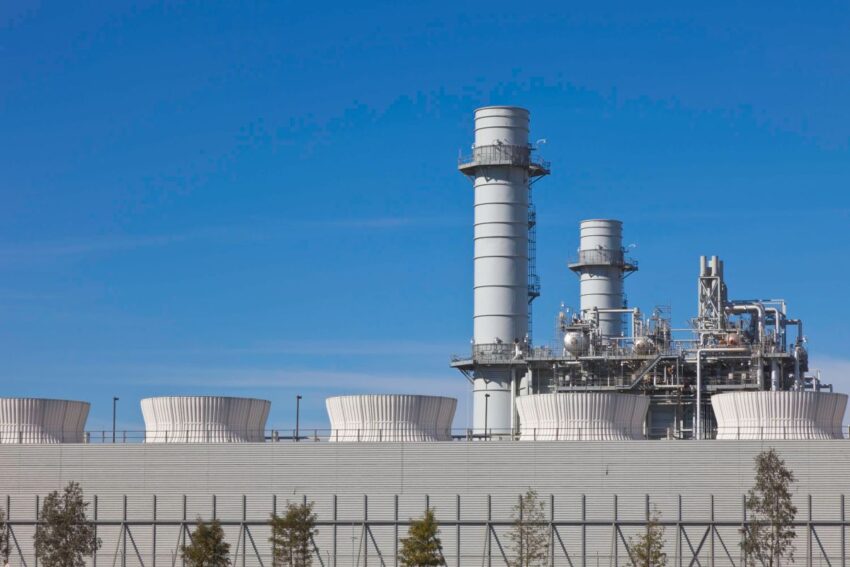
data center demand drives 66 surge in Natural gas power plant costs have surged by 66% over the past two years, driven primarily by the increasing electricity demand from data centers.
data center demand drives 66 surge in
Rising Costs of Natural Gas Power Plants
Recent reports indicate that the costs associated with constructing natural gas power plants have nearly doubled in just two years. This significant increase is largely attributed to the soaring demand for electricity from data centers, which are becoming increasingly critical to the digital economy. The surge in costs is not only financial but also temporal, with construction timelines extending by approximately 23% compared to previous years.
Factors Contributing to Increased Costs
The escalation in natural gas power plant costs can be traced to several interrelated factors:
- Material Costs: The price of materials essential for constructing power plants, such as steel and concrete, has risen sharply. This trend is influenced by global supply chain disruptions and increased demand across various sectors.
- Labor Shortages: The construction industry is facing significant labor shortages, which have driven up wages and extended project timelines. Skilled labor is particularly hard to find, leading to delays in construction schedules.
- Regulatory Changes: New environmental regulations aimed at reducing carbon emissions are adding layers of complexity and cost to the construction process. Compliance with these regulations often requires additional investments in technology and infrastructure.
- Increased Demand from Data Centers: The rapid expansion of data centers, fueled by the growth of cloud computing and digital services, has created a surge in electricity demand. This has put pressure on existing power generation infrastructure and necessitated the construction of new facilities.
The Role of Data Centers in Energy Demand
Data centers are essential to modern digital infrastructure, supporting everything from cloud services to online streaming. The exponential growth of data generation and consumption has led to an unprecedented demand for electricity. According to industry estimates, data centers currently consume about 2-3% of the total electricity generated globally, a figure that is projected to rise significantly in the coming years.
Impact on Energy Infrastructure
The demand from data centers is reshaping energy infrastructure in several ways:
- Increased Capacity Requirements: Utility companies are being compelled to increase their capacity to meet the growing electricity needs of data centers. This often involves the construction of new power plants, including natural gas facilities.
- Shift to Renewable Energy: In response to both regulatory pressures and consumer demand for sustainable practices, many data centers are seeking to incorporate renewable energy sources into their operations. However, the transition to renewables can be costly and complex, further complicating the energy landscape.
- Grid Stability Concerns: The increasing reliance on natural gas power plants raises concerns about grid stability, particularly during peak demand periods. A balanced energy mix is essential to ensure reliable electricity supply.
Construction Delays and Their Implications
As the costs of building natural gas power plants rise, so too do the timelines for their construction. The average construction period has increased by 23%, which can have far-reaching implications for energy planning and availability.
Economic Implications
The economic ramifications of these delays are significant:
- Increased Energy Prices: As construction costs rise and timelines extend, the financial burden is often passed on to consumers in the form of higher energy prices. This can affect both residential and commercial electricity rates.
- Investment Uncertainty: The unpredictability surrounding construction costs and timelines can deter investment in new power generation projects. Investors may be hesitant to commit capital to projects with uncertain returns.
- Impact on Job Creation: Delays in construction can also hinder job creation in the energy sector. New power plants typically generate employment opportunities during both the construction and operational phases.
Stakeholder Reactions
The surge in natural gas power plant costs and the associated delays have elicited varied responses from stakeholders across the energy sector.
Utility Companies
Utility companies are grappling with the dual challenge of meeting rising demand while managing escalating costs. Many are exploring alternative energy sources and investing in energy efficiency programs to mitigate the impact of rising prices. Some utilities are also advocating for regulatory reforms to streamline the permitting process for new power plants.
Data Center Operators
Data center operators are increasingly aware of their role in driving energy demand. Many are seeking to diversify their energy sources, including investments in on-site renewable energy generation and energy storage solutions. This shift not only helps to stabilize costs but also aligns with corporate sustainability goals.
Regulators and Policymakers
Regulators are under pressure to balance the need for reliable energy supply with environmental considerations. Policymakers are exploring incentives for renewable energy investments and considering measures to streamline the construction process for new power plants. The challenge lies in ensuring that energy policies support both economic growth and sustainability.
Future Outlook
Looking ahead, the energy landscape is poised for significant transformation. The interplay between rising costs, increasing demand, and regulatory pressures will shape the future of natural gas power plants and the broader energy sector.
Technological Innovations
Technological advancements are expected to play a crucial role in addressing some of the challenges facing the energy sector:
- Improved Efficiency: Innovations in power generation technology can lead to more efficient natural gas plants, reducing fuel consumption and emissions.
- Energy Storage Solutions: Advances in energy storage technologies, such as batteries, can help balance supply and demand, allowing for greater integration of renewable energy sources.
- Smart Grid Technologies: The implementation of smart grid technologies can enhance grid management and improve the reliability of electricity supply.
Investment in Renewable Energy
As the demand for electricity continues to rise, investment in renewable energy sources is likely to accelerate. Many data centers are already making commitments to achieve carbon neutrality, which will drive further investment in solar, wind, and other renewable technologies. This shift not only addresses environmental concerns but also helps to stabilize energy costs over the long term.
Conclusion
The surge in natural gas power plant costs, driven by the increasing demand from data centers, presents a complex set of challenges and opportunities for the energy sector. As stakeholders navigate these changes, the focus will need to be on balancing economic viability, environmental sustainability, and energy reliability. The future of energy generation will likely be characterized by a diverse mix of sources, technological innovation, and a commitment to sustainable practices.
Source: Original report
Was this helpful?
Explore more: DevOps Services More Cloud & DevOps Tech News
Last Modified: April 27, 2026 at 9:39 pm
11 views