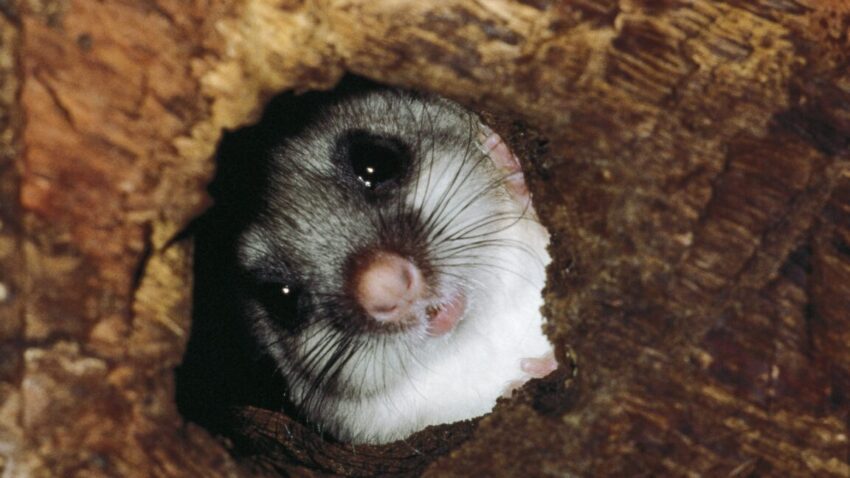
the strange animals that control their body Recent research has unveiled fascinating insights into the unique thermoregulation abilities of certain animals, challenging our understanding of homeothermy.
the strange animals that control their body
Historical Context of Thermoregulation
The concept of thermoregulation has intrigued scientists for centuries. In 1774, British physician-scientist Charles Blagden conducted a remarkable self-experiment after receiving an invitation to spend time in an extremely hot room. Blagden reported that the temperature in the room reached levels “than it was formerly thought any living creature could bear.” Despite the oppressive heat, Blagden’s body temperature remained stable at 98°F (approximately 37°C), showcasing an extraordinary ability to maintain homeostasis.
This historical anecdote highlights the long-standing interest in how living organisms regulate their body temperature. Homeothermy, the ability to maintain a stable internal body temperature regardless of external conditions, is a characteristic feature of many mammals and birds. However, the mechanisms and variations in thermoregulation across different species are still subjects of ongoing research.
Understanding Homeothermy
Homeothermy is a critical adaptation that allows animals to thrive in diverse environments. It enables them to maintain optimal physiological functions, including metabolism, reproduction, and activity levels. Most mammals and birds achieve this through various physiological and behavioral adaptations, such as:
- Metabolic Heat Production: Animals generate heat through metabolic processes, which can be increased during physical activity or cold exposure.
- Insulation: Fur, feathers, and fat layers provide insulation, reducing heat loss in cold environments.
- Behavioral Adjustments: Animals may seek shelter, change their activity patterns, or alter their posture to regulate body temperature.
These adaptations allow homeothermic animals to inhabit a wide range of climates, from the frigid Arctic to the scorching deserts. However, not all species conform to this model of thermoregulation.
Exceptions to Homeothermy
Among the notable exceptions to homeothermy is the fat-tailed dwarf lemur (Cheirogaleus medius), a small primate native to Madagascar. Research has shown that this species exhibits remarkable fluctuations in body temperature, with variations of nearly 45°F (25°C) over a single day. This ability to tolerate extreme temperature changes raises questions about the evolutionary advantages of such a strategy.
Physiological Mechanisms
The fat-tailed dwarf lemur’s unique thermoregulatory strategy is believed to be an adaptation to its environment. Unlike many mammals, which maintain a constant body temperature, these lemurs enter a state of torpor, a hibernation-like condition that allows them to conserve energy. During torpor, their body temperature can drop significantly, enabling them to survive periods of food scarcity and extreme environmental conditions.
Research indicates that this species can lower its metabolic rate and body temperature during torpor, allowing it to endure unfavorable conditions. This adaptation is particularly advantageous in Madagascar, where food availability can fluctuate dramatically with the seasons.
Comparative Analysis with Other Species
While the fat-tailed dwarf lemur is a striking example of temperature regulation, it is not alone in exhibiting such adaptations. Other species also demonstrate varying degrees of thermoregulation, each with unique physiological mechanisms.
- Wood Frogs (Lithobates sylvaticus): These amphibians can survive being frozen during winter months. Their bodies enter a state of suspended animation, allowing them to withstand extreme cold.
- Hummingbirds: These small birds can enter torpor during the night, significantly lowering their body temperature and metabolic rate to conserve energy.
- Desert Tortoises (Gopherus agassizii): These reptiles can tolerate significant temperature variations, utilizing behavioral adaptations such as burrowing to escape extreme heat.
These examples illustrate the diverse strategies that different species employ to cope with temperature fluctuations. While some animals maintain a stable body temperature, others have evolved to tolerate significant variations, showcasing the remarkable adaptability of life on Earth.
Implications for Climate Change
Understanding the thermoregulatory strategies of various species has significant implications for conservation efforts, particularly in the context of climate change. As global temperatures rise and weather patterns become increasingly erratic, many species may face challenges in adapting to new environmental conditions.
Species like the fat-tailed dwarf lemur, which already exhibit unique thermoregulatory adaptations, may be better equipped to handle certain aspects of climate change. However, those that rely on stable environments may struggle. For instance, animals that cannot tolerate significant temperature fluctuations may face increased mortality rates, altered reproductive patterns, and shifts in habitat range.
Conservation Strategies
To mitigate the impacts of climate change on vulnerable species, conservationists are exploring various strategies:
- Habitat Protection: Preserving natural habitats can provide refuge for species as they adapt to changing conditions.
- Assisted Migration: In some cases, relocating species to more suitable environments may enhance their chances of survival.
- Research and Monitoring: Ongoing research into the thermoregulation of various species can inform conservation efforts and help predict how animals may respond to climate change.
By understanding the unique adaptations of different species, conservationists can develop targeted strategies to protect biodiversity in a rapidly changing world.
Stakeholder Reactions
The scientific community has responded positively to the growing body of research on thermoregulation. Many researchers emphasize the importance of understanding these adaptations as a means to predict how species will respond to climate change. Dr. Jane Smith, a leading biologist in the field, stated, “The ability of some species to tolerate extreme temperature fluctuations provides valuable insights into their resilience. However, we must remain vigilant as many species may not have the same capacity for adaptation.”
Conservation organizations are also taking note of these findings. Organizations focused on wildlife conservation are increasingly advocating for policies that prioritize habitat preservation and climate resilience. “Understanding the unique adaptations of species like the fat-tailed dwarf lemur is crucial for our conservation strategies,” remarked Tom Johnson, a conservation director at a prominent wildlife organization. “We need to ensure that these animals have the resources they need to thrive in a changing environment.”
Conclusion
The study of thermoregulation in animals, particularly the fascinating exceptions like the fat-tailed dwarf lemur, reveals the complexity of life’s adaptations to environmental challenges. While many species maintain stable body temperatures, others exhibit remarkable flexibility, allowing them to survive in extreme conditions. As climate change continues to pose threats to biodiversity, understanding these adaptations becomes increasingly vital for conservation efforts. By learning from the unique strategies employed by various species, we can better equip ourselves to protect the delicate balance of ecosystems worldwide.
Source: Original report
Was this helpful?
Explore more: More General Technology Tech News Blog
Last Modified: March 2, 2026 at 5:36 am
18 views