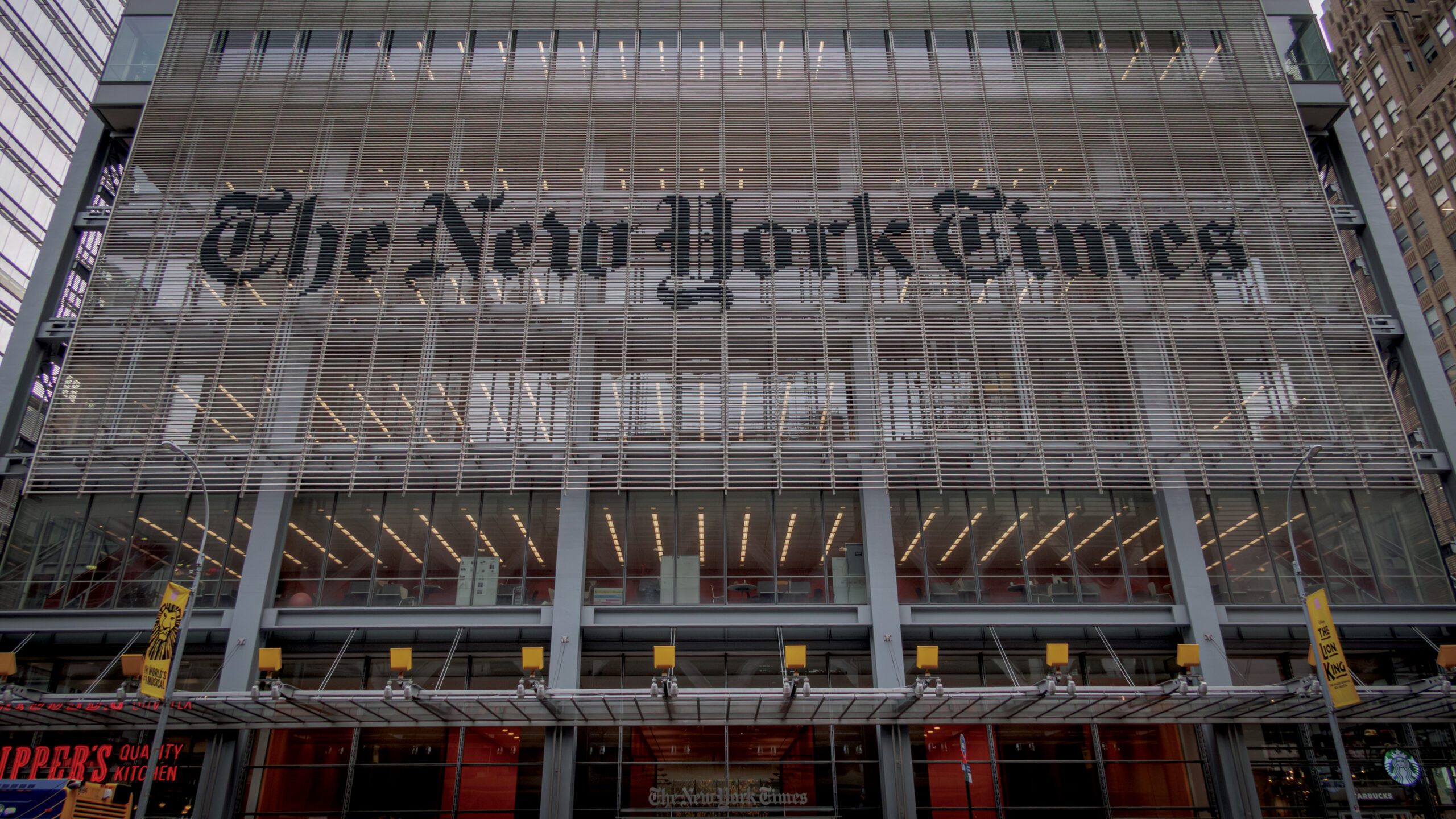
the new york times is suing perplexity The New York Times has initiated a copyright lawsuit against Perplexity, a move that underscores the growing tension between traditional media outlets and artificial intelligence companies over content usage rights.
the new york times is suing perplexity
Background of the Lawsuit
The legal action was filed in December 2025, marking a significant moment in the ongoing debate surrounding intellectual property rights in the digital age. The New York Times, a prominent player in the media landscape, is seeking to protect its copyrighted material from being used without permission by AI platforms like Perplexity. This lawsuit is part of a broader trend where various publishers are increasingly resorting to legal measures to ensure that AI companies engage in licensing agreements that fairly compensate content creators for their work.
What is Perplexity?
Perplexity is an AI-driven platform that aggregates information from various sources to provide users with concise answers to their queries. It utilizes advanced algorithms to sift through vast amounts of data, including articles, blogs, and other online content, to generate responses. While this technology offers users quick access to information, it raises significant questions about the legality of using copyrighted materials without proper attribution or compensation.
The Role of Copyright in the Digital Age
Copyright law is designed to protect the rights of creators by granting them exclusive control over the use of their original works. In the context of digital media, this becomes increasingly complex as AI technologies evolve. Many companies, including Perplexity, rely on large datasets to train their models, which often include copyrighted material. This has led to a growing concern among content creators that their work is being exploited without appropriate compensation.
Implications of the Lawsuit
The lawsuit filed by The New York Times could have far-reaching implications for the relationship between media companies and AI platforms. If the court rules in favor of The New York Times, it could set a precedent that reinforces the need for AI companies to enter into licensing agreements with content creators. This would not only affect Perplexity but could also have a ripple effect across the industry, prompting other AI companies to reassess their data usage policies.
Potential Outcomes
There are several potential outcomes from this legal battle:
- Settlement and Licensing Agreements: One possible outcome is that Perplexity may choose to settle the lawsuit by entering into a licensing agreement with The New York Times. This could pave the way for similar arrangements between other AI companies and content creators.
- Legal Precedent: A ruling in favor of The New York Times could establish a legal precedent that strengthens copyright protections for digital content, making it more difficult for AI companies to use copyrighted material without permission.
- Industry Pushback: On the other hand, if the court rules in favor of Perplexity, it could embolden AI companies to continue using copyrighted material without fear of legal repercussions, potentially undermining the financial stability of traditional media outlets.
Stakeholder Reactions
The lawsuit has elicited a range of reactions from various stakeholders in the media and technology sectors. Media companies have largely expressed support for The New York Times, viewing the lawsuit as a necessary step to protect their intellectual property. Many see it as a critical moment in the fight for fair compensation in an era where content is easily accessible and often repurposed without consent.
Conversely, representatives from the AI industry have voiced concerns about the implications of such lawsuits on innovation. They argue that the ability to access and utilize vast amounts of data is essential for the development of AI technologies. Some have suggested that rather than pursuing litigation, media companies should explore collaborative models that allow for the ethical use of content while ensuring creators are compensated.
Broader Context of Copyright Issues in AI
The New York Times’ lawsuit against Perplexity is not an isolated incident. It is part of a larger trend where numerous publishers have taken legal action against AI companies. For instance, in recent years, several high-profile cases have emerged as media companies grapple with the implications of AI technologies on their business models.
Previous Legal Actions
In 2023, a group of publishers filed a lawsuit against OpenAI, the company behind the popular language model ChatGPT, for similar copyright infringement claims. They argued that the model was trained on copyrighted materials without permission, leading to unauthorized reproductions of their content. The outcome of that case is still pending, but it has already sparked discussions about the ethical use of AI in content generation.
Legislative Developments
In response to these challenges, lawmakers are also beginning to take notice. Some have proposed legislation aimed at clarifying copyright protections in the context of AI technologies. These legislative efforts seek to strike a balance between fostering innovation in the tech sector and protecting the rights of content creators. However, the path forward remains fraught with complexities, as stakeholders from both sides of the debate continue to advocate for their interests.
The Future of Content Creation and AI
The intersection of content creation and artificial intelligence is evolving rapidly. As AI technologies become more sophisticated, the potential for misuse of copyrighted material increases. This raises critical questions about the future of journalism, content creation, and the ethical responsibilities of AI companies.
Opportunities for Collaboration
Despite the challenges, there are opportunities for collaboration between media companies and AI platforms. Some experts suggest that a cooperative approach could lead to innovative solutions that benefit both parties. For example, AI companies could develop tools that help media organizations better understand audience engagement with their content, while media companies could provide curated datasets for AI training that respect copyright laws.
Ethical Considerations
As the industry navigates these complex issues, ethical considerations will play a crucial role in shaping the future landscape. The question of how to fairly compensate content creators while allowing for the advancement of AI technologies is at the forefront of discussions. Stakeholders must consider not only the legal implications but also the moral responsibilities associated with content usage.
Conclusion
The New York Times’ lawsuit against Perplexity is a pivotal moment in the ongoing struggle between traditional media and AI companies over copyright issues. As the legal landscape continues to evolve, the outcome of this case could have significant implications for the future of content creation and the ethical use of AI technologies. Both sides must navigate these challenges carefully, as the decisions made today will shape the media landscape for years to come.
Source: Original report
Was this helpful?
Explore more: AI Automation Services More AI & Automation Tech News
Last Modified: December 5, 2025 at 9:42 pm
15 views