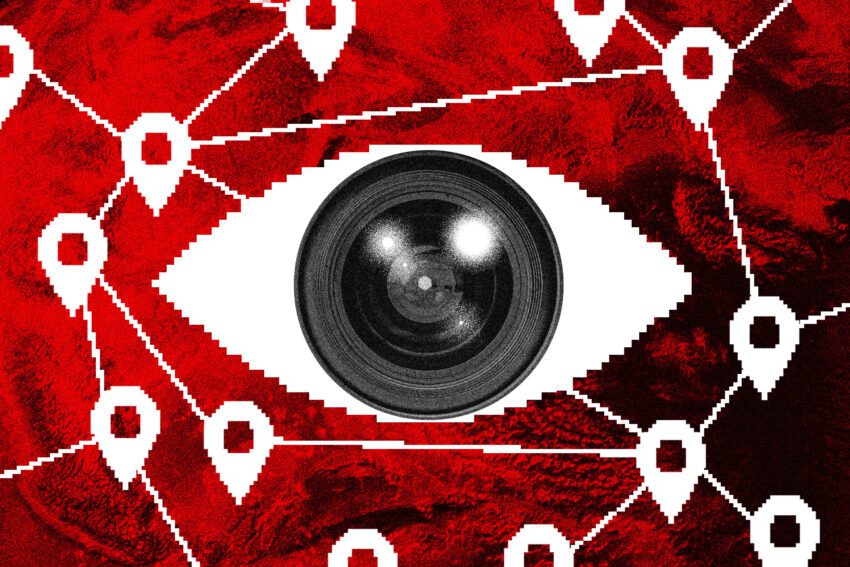
meta and google get data from the A recent study reveals that workplace monitoring software, commonly referred to as “bossware,” not only tracks employees but also shares sensitive data with major tech companies.
meta and google get data from the
Overview of Workplace Monitoring Software
In the modern workplace, the use of software to monitor employee performance has become increasingly common. These tools, often marketed as productivity enhancers, are utilized by hundreds of thousands of organizations worldwide. They can track everything from keystrokes and mouse movements to web browsing habits and application usage. While employers argue that such monitoring helps improve productivity and accountability, the implications for employee privacy are significant.
The Rise of Bossware
The term “bossware” has emerged as a colloquial expression for software that allows employers to surveil their employees. As remote work has gained traction, especially during the COVID-19 pandemic, the demand for these tools has surged. Employers have sought ways to ensure that their workforce remains productive, leading to a proliferation of monitoring solutions that promise to deliver insights into employee behavior.
However, the increasing reliance on these tools raises questions about the ethical implications of surveillance in the workplace. Many employees are unaware of the extent to which their activities are being monitored, and the potential for misuse of collected data is a growing concern.
Findings from the Columbia Law School Study
A recent study led by Stephanie Nguyen, a senior fellow at Columbia Law School’s Center for Law and the Economy and former chief technologist at the Federal Trade Commission (FTC), sheds light on the data-sharing practices of workplace monitoring software. The study reviewed nine different bossware services and uncovered alarming trends regarding data privacy.
Data Sharing with Third Parties
The study found that all nine examined workplace monitoring tools shared some form of data with third-party platforms. This data included sensitive information such as:
- Employee names
- Email addresses
- Web browsing history
- Application usage data
Among the recipients of this data were major digital advertising platforms and data brokers, including Facebook and Google. The implications of this data-sharing are profound, as it raises concerns about employee privacy and the potential for exploitation of personal information.
Implications for Employee Privacy
The findings of the study highlight a critical gap in employee awareness regarding the use of monitoring software. Many employees may not realize that their data is being collected and shared with third parties, which can lead to a sense of distrust between employers and their workforce. The lack of transparency surrounding these practices can create an environment where employees feel constantly surveilled, potentially impacting their mental well-being and job satisfaction.
Moreover, the sharing of personal data with advertising platforms poses additional risks. Employees may find their information being used for targeted advertising or other commercial purposes without their consent. This raises ethical questions about the extent to which employers can monitor their employees and the responsibilities they have to protect their privacy.
Stakeholder Reactions
The study’s findings have elicited a range of reactions from various stakeholders, including legal experts, privacy advocates, and employers themselves. Many legal experts have expressed concern over the lack of regulation governing workplace surveillance practices. The FTC has previously indicated a desire to address privacy issues in the digital age, but concrete regulations remain sparse.
Legal and Regulatory Perspectives
Legal experts argue that the current regulatory framework is inadequate to protect employees from invasive monitoring practices. The study’s findings underscore the need for clearer guidelines on data privacy and employee surveillance. Advocates for stronger regulations suggest that employers should be required to disclose their monitoring practices and obtain explicit consent from employees before collecting and sharing their data.
Furthermore, there is a growing call for legislation that would limit the types of data that employers can collect and how that data can be used. The potential for abuse of collected data is a significant concern, and many believe that stronger protections are necessary to safeguard employee privacy.
Employer Perspectives
On the other hand, employers argue that workplace monitoring is essential for maintaining productivity and accountability. They contend that these tools provide valuable insights that can help improve performance and efficiency. However, the findings of the study suggest that employers may need to reassess their approach to monitoring and consider the ethical implications of their practices.
Some employers are beginning to recognize the importance of transparency in their monitoring practices. By openly communicating with employees about the data being collected and how it will be used, organizations can foster a culture of trust and respect. This approach may not only alleviate employee concerns but also enhance overall workplace morale.
The Future of Workplace Monitoring
As technology continues to evolve, the landscape of workplace monitoring is likely to change as well. The study led by Nguyen serves as a wake-up call for both employers and employees to reconsider the implications of surveillance in the workplace. With growing awareness of data privacy issues, there is a potential for increased scrutiny of monitoring practices and a demand for more ethical approaches.
Emerging Trends in Monitoring Software
New trends in workplace monitoring software are emerging, focusing on employee well-being and engagement rather than mere surveillance. Some companies are exploring tools that prioritize employee feedback and collaboration, aiming to create a more supportive work environment. These tools can help organizations gather insights without infringing on employee privacy, fostering a culture of trust and transparency.
Additionally, advancements in artificial intelligence and machine learning may lead to more sophisticated monitoring solutions that can analyze employee behavior without compromising privacy. These technologies could provide employers with valuable insights while minimizing the collection of sensitive personal data.
Employee Empowerment and Awareness
As awareness of workplace monitoring practices grows, employees are becoming more empowered to advocate for their privacy rights. Employee resource groups and advocacy organizations are increasingly addressing issues related to surveillance, pushing for greater transparency and accountability from employers. This shift in awareness may lead to a more balanced relationship between employers and employees, where both parties understand their rights and responsibilities.
Conclusion
The findings from the Columbia Law School study underscore the urgent need for a reevaluation of workplace monitoring practices. As technology continues to advance, employers must navigate the delicate balance between productivity and employee privacy. By fostering transparency and ethical practices, organizations can create a work environment that respects the rights of employees while still achieving their business objectives.
Ultimately, the future of workplace monitoring will depend on the collective efforts of employers, employees, and regulators to establish a framework that prioritizes privacy and ethical considerations in an increasingly digital world.
Source: Original report
Was this helpful?
Explore more: More Big Tech & Platforms Tech News Blog
Last Modified: May 21, 2026 at 9:44 pm
16 views