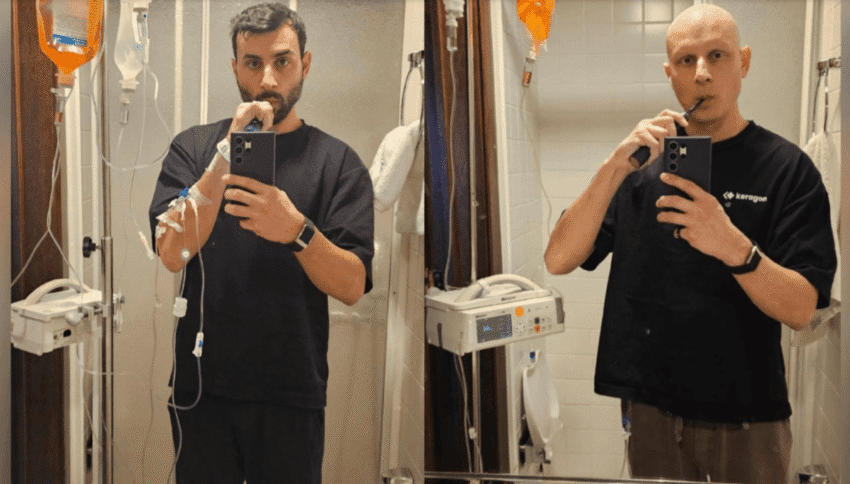
the fittest founder in the room got Connor Christou, a health-focused entrepreneur, turned to artificial intelligence to navigate his cancer diagnosis, integrating extensive personal health data into the AI system Claude.
the fittest founder in the room got
Background on Connor Christou
Connor Christou is known for his dedication to health and fitness, often regarded as one of the most physically fit founders in the tech industry. His journey as an entrepreneur has been marked by a commitment to wellness, not just for himself but also for others. He has built a reputation for leveraging technology to enhance health outcomes, making his recent battle with cancer particularly poignant. Christou’s approach to health has always been data-driven, and this philosophy became even more critical when he faced his cancer diagnosis.
The Diagnosis
In early 2026, Connor received a life-altering diagnosis: cancer. The news was shocking, not just for him but also for those who knew him as a vibrant and health-conscious individual. The type of cancer and the stage at which it was diagnosed were not disclosed, but the impact on his life was immediate and profound. As a founder, Christou was accustomed to overcoming challenges, but this was a different kind of battle—one that required a multifaceted approach.
Initial Reactions
Upon receiving the diagnosis, Christou experienced a whirlwind of emotions. Fear, uncertainty, and a sense of urgency enveloped him. However, rather than succumbing to despair, he chose to take control of his situation. Drawing on his background in health technology, he began to explore innovative ways to manage his condition. This included a deep dive into the capabilities of artificial intelligence, specifically a system known as Claude.
Leveraging AI for Health Management
Artificial intelligence has made significant strides in recent years, particularly in the realm of healthcare. AI systems can analyze vast amounts of data quickly and provide insights that would be difficult for humans to discern. Christou recognized this potential and decided to harness Claude to assist him in his fight against cancer.
Data Input and Analysis
Christou’s approach was comprehensive. He began by inputting a wide array of personal health data into Claude, including:
- Blood test results
- Scan data from imaging tests
- Output from wearable fitness devices
- Journal entries documenting his symptoms, mood, and lifestyle choices
This extensive data collection allowed Claude to create a detailed profile of Christou’s health status. The AI was tasked with identifying patterns, correlations, and potential treatment options based on the information provided. By feeding Claude this wealth of data, Christou aimed to gain insights that could inform his treatment decisions and lifestyle adjustments.
AI Insights and Recommendations
As Claude processed the data, it began to generate insights that were both surprising and enlightening. For instance, the AI identified specific dietary adjustments that could potentially enhance Christou’s immune response. It also suggested modifications to his exercise regimen tailored to his current physical condition, ensuring that he remained active without overexerting himself.
Moreover, Claude provided recommendations for mental health strategies, emphasizing the importance of maintaining a positive mindset during treatment. This holistic approach resonated with Christou, who had always believed in the interconnectedness of physical and mental health.
Collaboration with Medical Professionals
While Christou relied heavily on AI for insights, he understood the importance of collaborating with medical professionals. He shared the findings from Claude with his oncologist and healthcare team, fostering a dialogue that combined traditional medical expertise with innovative AI-driven insights. This collaboration allowed for a more personalized treatment plan, as the medical team could consider both the AI’s recommendations and their clinical experience.
Integrating AI into Treatment Plans
One of the most significant outcomes of this collaboration was the development of a tailored treatment plan that integrated AI insights. For example, based on Claude’s analysis, Christou’s oncologist adjusted his chemotherapy regimen to minimize side effects while maximizing efficacy. This data-driven approach not only empowered Christou but also provided his medical team with a clearer understanding of how to optimize treatment.
The Role of Wearable Technology
In addition to using Claude, Christou leveraged wearable technology to monitor his health continuously. Devices that tracked his heart rate, physical activity, and sleep patterns provided real-time data that complemented the information fed into the AI system. This continuous stream of data allowed Christou to make informed decisions about his daily activities and overall health management.
Real-Time Monitoring and Adjustments
The integration of wearables into his health strategy enabled Christou to monitor his body’s responses to treatment and lifestyle changes. For instance, if he noticed a drop in energy levels or changes in sleep quality, he could adjust his diet or exercise routine accordingly. This real-time feedback loop was invaluable, as it allowed him to remain proactive in managing his health.
Community and Support Systems
Throughout his journey, Christou emphasized the importance of community and support systems. He engaged with fellow cancer survivors and health enthusiasts, sharing his experiences and insights. This not only provided him with emotional support but also opened avenues for collaboration and knowledge exchange.
Building a Network
Christou’s network included not just medical professionals but also other entrepreneurs and innovators in the health tech space. By sharing his story, he inspired others to consider how technology could play a role in their health journeys. His experience underscored the potential for AI and wearable technology to transform health management, particularly in the face of serious illnesses.
Implications for the Future
Christou’s experience with cancer and the use of AI to navigate his treatment raises important questions about the future of healthcare. As technology continues to evolve, the integration of AI into personal health management could become more commonplace. This shift could lead to more personalized treatment plans, improved patient outcomes, and a greater emphasis on preventive care.
Potential for Broader Applications
The implications of Christou’s approach extend beyond cancer treatment. The methodologies he employed could be adapted for various health conditions, enabling patients to take a more active role in their care. As AI systems become more sophisticated, they may offer insights that empower individuals to make informed decisions about their health.
Conclusion
Connor Christou’s journey through cancer has been marked by resilience, innovation, and a commitment to leveraging technology for better health outcomes. By integrating AI into his health management strategy, he has not only navigated his own challenges but also paved the way for others to consider the role of technology in personal healthcare. His story serves as a reminder of the potential for AI to transform the landscape of health management, offering hope and empowerment to those facing similar battles.
Source: Original report
Was this helpful?
Explore more: AI Automation Services More AI & Automation Tech News
Last Modified: June 28, 2026 at 1:38 am
15 views