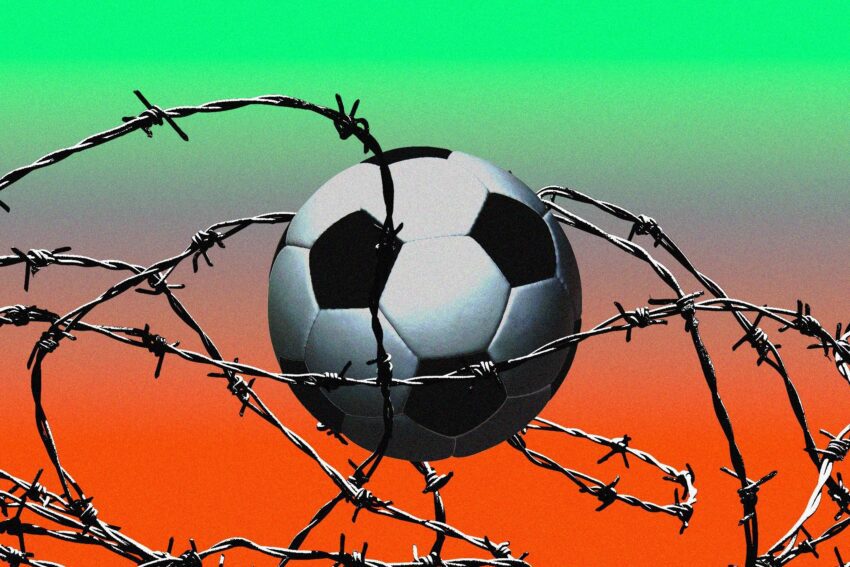
the beautiful shame Recent developments surrounding the World Cup have highlighted stark contrasts in how different groups experience American culture, particularly in relation to immigration policies that have raised concerns about exclusion.
the beautiful shame
Exclusion Amid Celebration
As the World Cup draws global attention, the excitement surrounding the event is palpable, especially among European tourists who revel in the unique aspects of American culture, such as ranch dressing and Buc-ee’s convenience stores. However, for many potential attendees from Africa, Asia, and the Middle East, the experience has been marred by a different reality: exclusion. This exclusion is largely a consequence of immigration policies enacted during the Trump administration, which have been criticized for their overtly racist undertones.
Impact of Immigration Policies
President Donald Trump’s administration implemented a series of immigration policies that have disproportionately affected individuals from certain countries. These policies have created significant barriers for many who wish to travel to the United States, particularly for events like the World Cup. The implications of these policies extend beyond mere travel restrictions; they reflect a broader narrative of discrimination that has permeated American immigration practices.
One notable case involves Swiss forward Breel Embolo, who was unable to board his team’s flight to the U.S. due to a criminal conviction from 2018. This incident underscores the complexities of visa applications and the often arbitrary nature of who gets to enter the country. Embolo’s situation required him to apply for an emergency visa, a process that can be fraught with uncertainty and delays, particularly for individuals with past legal issues.
Broader Context of Exclusion
The challenges faced by Embolo are not isolated incidents. They are part of a larger pattern that has seen many athletes and fans from countries that have been targeted by U.S. immigration policies struggle to secure the necessary documentation to attend the World Cup. This situation raises questions about the inclusivity of such a globally celebrated event and whether it truly represents the spirit of international cooperation and camaraderie.
In addition to the challenges faced by players, fans from countries like Iran have also been affected. Following heightened tensions between the U.S. and Iran, the Iranian national team had to relocate its training camp to avoid complications related to visa approvals. This decision highlights the precarious position of athletes who find themselves caught in geopolitical conflicts, further complicating their participation in international events.
Reactions from Stakeholders
The reactions to these immigration policies have been varied, with stakeholders ranging from athletes to fans expressing their concerns. Many players have spoken out about the difficulties they face in securing visas, emphasizing that these barriers not only affect their ability to compete but also diminish the overall spirit of the World Cup.
Athletes’ Perspectives
Athletes like Embolo have voiced their frustrations regarding the visa process. The emotional toll of being unable to participate in a significant event due to bureaucratic hurdles is profound. For many, the World Cup is not just a sporting event; it is a culmination of years of hard work, dedication, and sacrifice. The inability to attend can feel like a personal failure, compounded by the knowledge that such exclusion is often beyond their control.
Fan Reactions
Fans, too, have expressed their discontent. Social media platforms have become a space for individuals to share their experiences and frustrations regarding the visa application process. Many have highlighted the absurdity of being denied entry based on policies that seem to prioritize exclusion over inclusion. The sentiment among fans is that the World Cup should be a celebration of diversity and unity, rather than a reflection of political divisions.
Historical Context of U.S. Immigration Policies
To fully understand the implications of the current immigration policies, it is essential to consider the historical context. The U.S. has a long and complex history regarding immigration, often oscillating between periods of openness and exclusion. The Trump administration marked a significant shift towards more restrictive policies, which many argue were rooted in xenophobia and racism.
Historically, U.S. immigration policies have been influenced by various factors, including economic conditions, national security concerns, and social attitudes towards different ethnic groups. The current climate reflects a resurgence of nativist sentiments that have long been a part of American history, raising questions about the values that the country espouses.
Implications for Future Events
The implications of these immigration policies extend beyond the current World Cup. As international sporting events continue to grow in popularity, the need for inclusive and fair visa processes becomes increasingly critical. The experience of athletes and fans during the World Cup serves as a case study for how immigration policies can impact global events and the relationships between nations.
Future organizers of international events must consider the potential barriers that restrictive immigration policies can create. Ensuring that all athletes and fans have the opportunity to participate is essential for fostering goodwill and collaboration among nations. The World Cup should serve as a platform for unity, rather than division.
Conclusion: A Call for Change
The current state of U.S. immigration policies, particularly as they relate to the World Cup, highlights the urgent need for reform. The experiences of athletes like Breel Embolo and the challenges faced by fans from various countries underscore the importance of creating a more inclusive environment for international events. As the world watches the World Cup, it is crucial to reflect on what it means to truly welcome individuals from diverse backgrounds.
In a time when global cooperation is more important than ever, the U.S. must strive to align its immigration policies with the values of inclusivity and diversity that the World Cup represents. Only then can the event fulfill its potential as a celebration of global unity and sportsmanship.
Source: Original report
Was this helpful?
Explore more: More General Technology Tech News Blog
Last Modified: June 27, 2026 at 12:38 am
10 views