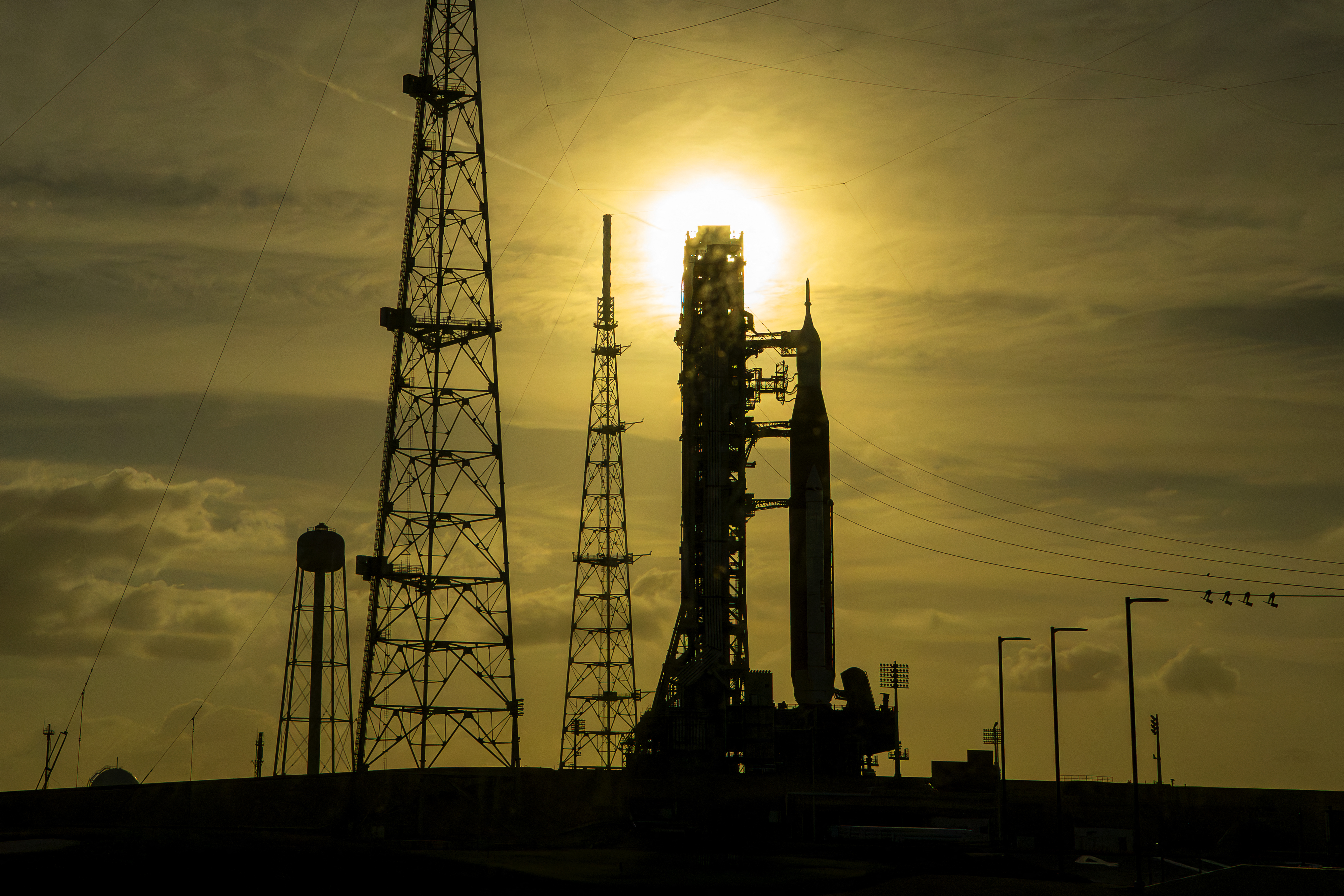
the artemis moon base project is legally The Artemis Moon base project faces significant legal uncertainties as NASA prepares for its next lunar mission.
the artemis moon base project is legally
Overview of the Artemis II Mission
NASA’s Artemis II mission is set to launch on March 31, 2026, marking a pivotal moment in the agency’s efforts to return humans to the Moon. This mission will carry four astronauts aboard the Orion spacecraft, which will travel around the Moon and return to Earth within a span of 10 days. The primary objective of Artemis II is to test the hardware and systems that will be crucial for future lunar missions, particularly the Artemis IV mission, which aims to land astronauts on the Moon for the first time in over 50 years.
Goals of the Artemis Program
The Artemis program is designed not only to return humans to the Moon but also to establish a sustainable human presence there. NASA envisions a series of missions over the next five years that will lay the groundwork for long-term exploration. This includes the development of lunar bases, which would serve as operational hubs for scientific research and potential future missions to Mars.
Technological Innovations
One of the key technological advancements associated with the Artemis program is the Space Launch System (SLS), which is designed to be the most powerful rocket ever built. The SLS will enable NASA to send larger payloads to the Moon and beyond, facilitating more complex missions. Additionally, the Orion spacecraft is equipped with advanced life support systems and navigation technologies that will be critical for crewed missions.
Legal Challenges Surrounding the Moon Base Project
Despite the ambitious goals of the Artemis program, significant legal challenges loom over the establishment of a Moon base. The Outer Space Treaty of 1967, which has been ratified by over 100 countries, including the United States, poses substantial restrictions on activities in outer space. The treaty states that celestial bodies cannot be claimed by any nation, which raises questions about the legality of establishing a permanent human presence on the Moon.
Implications of the Outer Space Treaty
The Outer Space Treaty was designed to promote peaceful exploration and prevent territorial claims in space. However, as nations and private entities increasingly express interest in lunar exploration, the treaty’s limitations are becoming more pronounced. Establishing a Moon base could be interpreted as a claim to territory, which would violate the treaty and potentially lead to international disputes.
Stakeholder Reactions
Reactions from various stakeholders regarding the legal implications of the Artemis program have been mixed. Some experts argue that the treaty needs to be updated to reflect the current realities of space exploration. They contend that the legal framework governing outer space is outdated and does not account for the advancements in technology and the growing interest from private companies.
On the other hand, some legal scholars caution against making any changes to the treaty. They argue that the existing framework has successfully maintained peace in outer space for decades and that any modifications could lead to increased competition and conflict among nations.
International Collaboration and Competition
The Artemis program is not occurring in a vacuum; it is part of a broader landscape of international space exploration. Countries such as China and Russia are also pursuing their lunar ambitions, which adds another layer of complexity to the legal and diplomatic challenges surrounding the Moon base project.
China’s Lunar Ambitions
China has made significant strides in its lunar exploration efforts, including successful robotic missions and plans for crewed missions in the near future. The Chinese government has expressed intentions to establish a lunar research station, which could further complicate the legal landscape. If multiple nations attempt to establish bases on the Moon, the potential for conflict over resources and territory increases.
Collaborative Efforts
In response to these challenges, NASA has emphasized the importance of international collaboration. The Artemis program includes partnerships with various countries and organizations, aiming to create a unified approach to lunar exploration. This collaborative framework could help mitigate legal disputes and promote peaceful coexistence on the Moon.
Future Prospects and Considerations
As NASA prepares for the Artemis II mission, the legal uncertainties surrounding the Moon base project remain a significant concern. The agency must navigate the complexities of international law while pursuing its ambitious goals. The success of the Artemis program could set a precedent for future exploration efforts, influencing how nations approach the legal and ethical considerations of space exploration.
Potential Legal Frameworks
To address the legal ambiguities, experts suggest developing new frameworks that could govern activities on the Moon and other celestial bodies. These frameworks could include agreements that delineate the rights and responsibilities of nations and private entities engaged in lunar exploration. Such agreements would need to be carefully crafted to avoid infringing on the principles established by the Outer Space Treaty.
Public and Private Sector Roles
The role of the private sector in lunar exploration is also evolving. Companies like SpaceX and Blue Origin are actively pursuing lunar missions, which raises additional legal questions. The involvement of private entities complicates the legal landscape, as they may not be bound by the same regulations as government agencies. This necessitates a reevaluation of how existing laws apply to commercial activities in space.
Conclusion
The Artemis II mission represents a significant step forward in NASA’s efforts to return humans to the Moon, but it also highlights the complex legal challenges that lie ahead. As the agency aims to establish a sustainable human presence on the lunar surface, it must grapple with the implications of international law and the potential for conflict among nations. The success of the Artemis program could pave the way for future exploration, but it will require careful navigation of the legal landscape to ensure that the principles of peaceful exploration are upheld.
Source: Original report
Was this helpful?
Explore more: More General Technology Tech News Blog
Last Modified: April 2, 2026 at 1:38 am
19 views