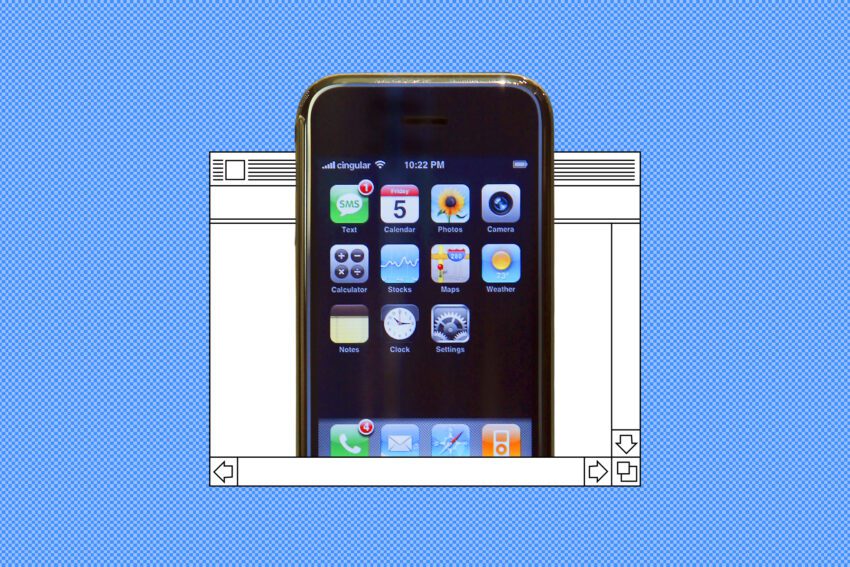
everything is iphone now Apple’s iPhone has evolved into a cornerstone of modern technology, redefining how we communicate, work, and interact with the world around us.
everything is iphone now
The Birth of a Revolution
When the first iPhone was unveiled by Steve Jobs on January 9, 2007, it marked a pivotal moment in the tech industry. At that time, smartphones were primarily utilitarian devices, often cumbersome and limited in functionality. However, Jobs and his team at Apple envisioned a device that would not only serve as a phone but also integrate a music player, internet browser, and a platform for applications.
The initial reception of the iPhone was overwhelmingly positive, with many industry experts predicting it would change the landscape of mobile technology. Yet, even those predictions underestimated its impact. The iPhone quickly became a cultural phenomenon, influencing everything from social interactions to business practices.
Design Philosophy
One of the critical elements that set the iPhone apart from its competitors was its design. Jony Ive, Apple’s Chief Design Officer at the time, played a crucial role in creating a device that was not only functional but also aesthetically pleasing. The sleek, minimalist design of the iPhone was a departure from the bulky smartphones of the era. It featured a large touchscreen that eliminated the need for physical buttons, allowing for a more intuitive user experience.
This design philosophy extended beyond the iPhone itself. Apple’s approach to product development focused on turning technological limitations into strengths. For example, the first iMac was designed around a bulky CRT display, but Ive transformed it into a striking piece of furniture with a translucent case that showcased its internals. This ability to reimagine constraints as opportunities became a hallmark of Apple’s product strategy.
Technological Innovations
The iPhone was not just a pretty face; it was packed with groundbreaking technology that set it apart from other devices. The introduction of the App Store in 2008 was a game-changer, allowing third-party developers to create applications that could run on the iPhone. This opened up a new ecosystem that encouraged innovation and creativity, leading to millions of apps that catered to a wide range of needs.
Moreover, the iPhone’s hardware was revolutionary for its time. The device featured a powerful processor, high-quality camera, and advanced sensors that enabled features like GPS navigation and motion detection. These capabilities allowed users to do things that were previously unimaginable on a mobile device, such as streaming high-definition video, navigating using real-time maps, and capturing professional-quality photos.
Market Impact
The iPhone’s influence on the smartphone market cannot be overstated. Within just a few years of its release, it became the best-selling smartphone globally. Competitors scrambled to catch up, leading to a wave of innovation across the industry. Companies like Samsung, Google, and Huawei began to invest heavily in their smartphone offerings, resulting in a diverse range of devices that catered to various consumer preferences.
However, the iPhone also created a new set of challenges for competitors. The ecosystem that Apple built around the iPhone, including iCloud, Apple Music, and Apple Pay, made it increasingly difficult for other companies to compete. The seamless integration of hardware and software became a defining characteristic of Apple products, further solidifying the iPhone’s position in the market.
Changing Consumer Behavior
The iPhone has fundamentally altered how consumers interact with technology. The device has become an extension of our daily lives, serving as a communication tool, entertainment device, and even a personal assistant. The introduction of Siri in 2011 brought voice recognition technology to the forefront, allowing users to interact with their devices in a more natural way.
Social media platforms like Instagram, Snapchat, and TikTok owe much of their success to the iPhone. The high-quality camera and user-friendly interface made it easy for individuals to capture and share moments in real-time. This shift has led to a culture of instant gratification, where users expect immediate access to information and entertainment at their fingertips.
Implications for Privacy and Security
As the iPhone has become more integrated into our lives, concerns about privacy and security have also grown. The collection of user data for targeted advertising and personalized experiences has raised ethical questions about how companies handle sensitive information. Apple has taken steps to address these concerns, positioning itself as a champion of user privacy. Features like App Tracking Transparency and end-to-end encryption for iMessages are examples of Apple’s commitment to protecting user data.
However, the balance between convenience and privacy remains a contentious issue. While many users appreciate the personalized experiences offered by apps and services, others are wary of the implications of constant data collection. This ongoing debate highlights the need for transparency and ethical practices in the tech industry.
The Future of the iPhone
As we look to the future, the iPhone continues to evolve. With each new iteration, Apple introduces features that push the boundaries of what a smartphone can do. The recent advancements in augmented reality (AR) and artificial intelligence (AI) suggest that the iPhone will play a significant role in shaping the future of technology.
Apple’s investment in AR technology, particularly with the introduction of ARKit, has opened up new possibilities for app developers. This technology allows users to interact with digital content in a real-world environment, creating immersive experiences that were previously unimaginable. As AR becomes more mainstream, the iPhone is poised to be at the forefront of this technological revolution.
Stakeholder Reactions
The iPhone’s impact has not gone unnoticed by industry stakeholders. Investors, consumers, and tech enthusiasts alike have expressed their opinions on the device’s evolution. Investors have generally responded positively to Apple’s growth, with the company’s stock consistently performing well since the iPhone’s launch. The iPhone has become a significant revenue driver for Apple, contributing to its status as one of the most valuable companies in the world.
Consumers have also shown strong loyalty to the iPhone brand. Many users upgrade to the latest model each year, drawn by new features and improvements. This loyalty is further reinforced by Apple’s ecosystem, which encourages users to remain within the Apple family of products and services.
Conclusion
Nearly two decades after its initial release, the iPhone remains a defining product in the tech industry. Its influence extends far beyond the realm of smartphones, shaping how we communicate, work, and interact with the world. As Apple continues to innovate and push the boundaries of technology, the iPhone will undoubtedly remain a central figure in the ongoing evolution of personal devices.
Source: Original report
Was this helpful?
Explore more: Mobile App Development More Mobile Technology Tech News
Last Modified: April 2, 2026 at 1:39 am
28 views