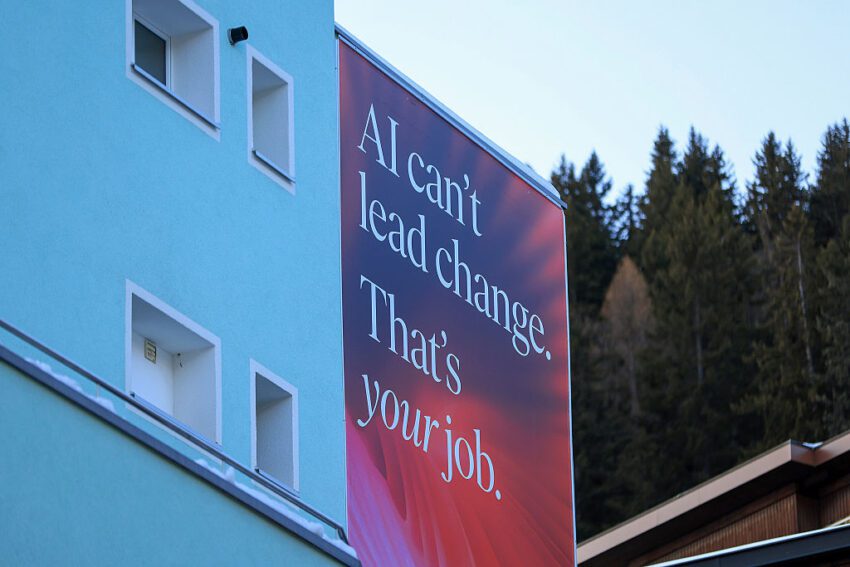
the ai jobs debate just got messier A recent report reveals that companies heavily investing in artificial intelligence (AI) have experienced a notable increase in their workforce, challenging the prevailing narrative that AI adoption leads to job losses, particularly for entry-level positions.
the ai jobs debate just got messier
Understanding the Report’s Findings
The report, which focuses on “high-intensity AI adopters,” indicates that these companies have seen an overall headcount increase of 10.2%. This statistic is particularly significant in the context of ongoing debates about the impact of AI on employment. The findings suggest that rather than displacing workers, AI may be creating new opportunities, especially for those entering the workforce.
Entry-Level Job Growth
Among the companies classified as high-intensity AI adopters, entry-level positions have surged by 12%. This growth counters the widespread belief that AI technologies primarily eliminate junior roles, which are often seen as the most vulnerable to automation. The report highlights that these companies are not only adopting AI but also expanding their workforce to support and implement these technologies effectively.
Context of the Debate
The discourse surrounding AI and employment has been polarized. On one side, proponents of AI argue that it enhances productivity and creates new job categories, while critics warn of potential job displacement, particularly for lower-skilled positions. The findings from this report provide a counter-narrative, suggesting that AI adoption can coexist with job growth, particularly in entry-level roles.
Implications for Workforce Dynamics
The implications of these findings are multifaceted. As companies increasingly integrate AI into their operations, they may require a workforce that is not only larger but also more skilled in technology. This shift could lead to a transformation in the types of skills that are in demand, emphasizing the need for training and education in AI-related fields.
Skills Development and Training
With the rise in entry-level positions, there is an opportunity for educational institutions and training programs to adapt their curricula to meet the needs of the evolving job market. This could involve:
- Incorporating AI and data analytics into existing programs.
- Offering specialized courses focused on AI technologies.
- Partnering with companies to provide internships and hands-on training opportunities.
Such initiatives could help prepare the future workforce for the demands of a job market increasingly influenced by AI technologies.
Sector-Specific Insights
The report does not specify which sectors are leading in AI adoption, but it can be inferred that industries such as technology, finance, and healthcare are likely at the forefront. These sectors have historically been quick to embrace technological advancements, and their growth in entry-level positions may reflect a broader trend of integrating AI into various operational aspects.
Stakeholder Reactions
The report’s findings have elicited a range of reactions from stakeholders across the business and educational sectors. Some industry leaders have expressed optimism about the potential for AI to create new job opportunities, while others remain cautious, emphasizing the need for responsible AI implementation.
Business Leaders’ Perspectives
Many business leaders view the increase in entry-level positions as a positive development. They argue that AI can enhance productivity, allowing companies to expand their operations and hire more employees. For instance, a CEO of a tech firm noted, “AI is not about replacing jobs; it’s about augmenting our capabilities and enabling our teams to focus on more strategic tasks.” This sentiment reflects a growing belief in the collaborative potential of humans and AI.
Concerns from Labor Advocates
Conversely, labor advocates express concern that while some companies are hiring more entry-level workers, the overall trend of AI adoption could still lead to job displacement in the long run. They argue that the nature of work is changing, and many roles may evolve or become obsolete. A representative from a labor union stated, “We cannot ignore the fact that while some jobs are being created, many others are at risk. The focus should be on ensuring that workers are protected and supported through this transition.” This perspective highlights the need for policies that safeguard workers’ rights in an AI-driven economy.
The Future of Work in an AI-Driven Economy
As AI continues to advance, the future of work will likely be characterized by a blend of human and machine collaboration. The report’s findings suggest that while AI may change the nature of certain jobs, it also has the potential to create new opportunities, particularly for those entering the workforce. However, this transition will require careful management and proactive measures from both businesses and policymakers.
Policy Considerations
Policymakers will play a crucial role in shaping the future of work in an AI-driven economy. They must consider various factors, including:
- Creating frameworks that encourage responsible AI adoption.
- Implementing training programs to equip workers with the necessary skills.
- Establishing safety nets for workers affected by automation.
These measures can help ensure that the benefits of AI are broadly shared and that workers are not left behind in the transition.
Long-Term Outlook
Looking ahead, the long-term outlook for employment in an AI-driven economy remains uncertain. While the current report indicates positive trends in job growth among high-intensity AI adopters, it is essential to monitor these developments over time. The evolving nature of work, coupled with rapid advancements in AI technology, will require ongoing research and analysis to understand the full impact on the labor market.
Conclusion
The findings from the recent report challenge the narrative that AI adoption leads to job losses, particularly for entry-level positions. Instead, they suggest that companies investing heavily in AI are also expanding their workforce, creating new opportunities for those entering the job market. However, this positive trend must be viewed within the broader context of ongoing debates about the implications of AI on employment. As the landscape of work continues to evolve, it is crucial for businesses, educators, and policymakers to collaborate in ensuring that the workforce is prepared for the challenges and opportunities that lie ahead.
Source: Original report
Was this helpful?
Explore more: AI Automation Services More AI & Automation Tech News
Last Modified: June 30, 2026 at 6:37 pm
10 views