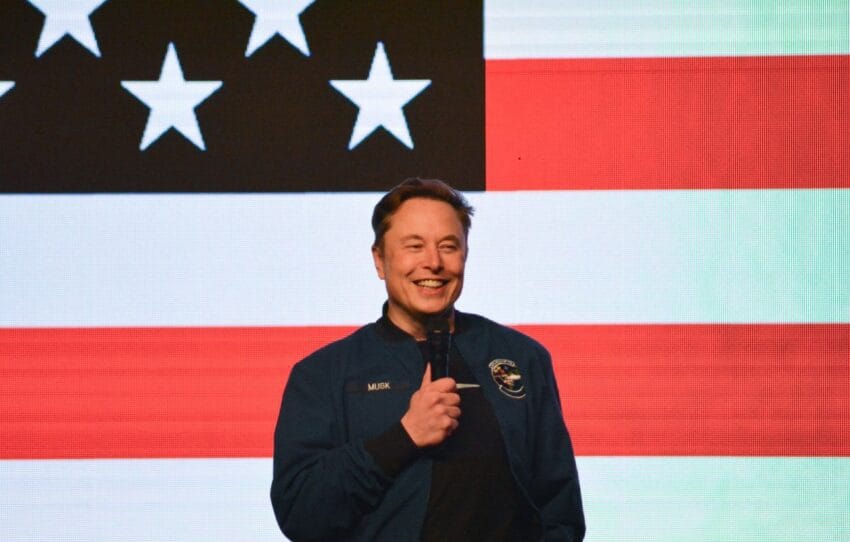
tesla board chair calls debate over elon Tesla’s board chair has come forward to defend a controversial proposed compensation package for CEO Elon Musk, which amounts to an unprecedented $1 trillion over the next decade.
tesla board chair calls debate over elon
Background on the Compensation Package
The proposed compensation package for Elon Musk, which has garnered significant media attention and public debate, is structured as a performance-based incentive plan. This means that Musk will only receive the full amount if Tesla meets certain ambitious performance targets over the ten-year period. The package is designed to align Musk’s financial interests with those of Tesla’s shareholders, a strategy that has been common in executive compensation plans, particularly for high-profile leaders in the tech and automotive sectors.
Elon Musk’s previous compensation plan, which was approved in 2018, was also performance-based and resulted in substantial gains for both Musk and Tesla. Under that plan, Musk did not receive a salary or cash bonuses; instead, he was awarded stock options that would vest only if the company achieved specific operational and market capitalization milestones. This structure has led to Musk becoming one of the wealthiest individuals in the world, with his net worth largely tied to Tesla’s stock performance.
Defending the Package
Tesla’s board chair, Robyn Denholm, has publicly defended the new compensation proposal, calling the debate surrounding it “a little bit weird.” Denholm emphasized that the board believes the package is in the best interest of the company and its shareholders. She stated that the compensation plan is designed to incentivize Musk to continue driving Tesla’s growth and innovation, which has been a hallmark of his leadership.
Denholm’s comments come amid a broader discussion about executive compensation in the tech industry, where high-profile leaders often receive substantial pay packages that can spark public outcry. Critics argue that such compensation is excessive, especially when juxtaposed against the wages of average workers. However, proponents of performance-based pay argue that it is necessary to attract and retain top talent in a competitive market.
Performance Metrics and Expectations
The proposed $1 trillion compensation package includes several key performance metrics that Tesla must meet for Musk to receive the full amount. These metrics are designed to ensure that Musk’s financial rewards are directly tied to the company’s success. Some of the expected performance targets include:
- Achieving specific revenue milestones, which may involve expanding Tesla’s market share in the electric vehicle sector.
- Increasing production capacity and efficiency, particularly as Tesla aims to ramp up production of its upcoming models.
- Meeting sustainability goals, which are increasingly important to investors and consumers alike.
- Enhancing Tesla’s technological advancements, including developments in autonomous driving and battery technology.
These performance metrics reflect the ambitious goals that Tesla has set for itself as it seeks to maintain its position as a leader in the electric vehicle market. The company has faced increasing competition from traditional automakers and new entrants in the EV space, making it imperative for Tesla to continue innovating and expanding its offerings.
Stakeholder Reactions
The proposed compensation package has elicited a range of reactions from stakeholders, including investors, analysts, and the general public. Some investors have expressed support for the plan, arguing that it aligns Musk’s interests with those of shareholders and incentivizes him to continue delivering strong performance. They believe that a successful Musk will lead to a more valuable Tesla, ultimately benefiting all stakeholders.
On the other hand, critics have raised concerns about the sheer scale of the compensation package. Many argue that a $1 trillion payout is excessive, regardless of performance metrics. They contend that such a large sum could be better utilized in other areas of the company, such as research and development, employee compensation, or community initiatives. There is also concern about the message this package sends regarding income inequality, particularly in a time when many workers are facing economic challenges.
The Broader Context of Executive Compensation
The debate over Musk’s compensation package is part of a larger conversation about executive pay in the corporate world. In recent years, there has been increasing scrutiny of how much top executives are compensated compared to their employees. According to data from the Economic Policy Institute, CEO compensation has grown significantly faster than that of the average worker over the past few decades. This disparity has led to calls for greater transparency and accountability in executive pay practices.
In the tech industry, where companies often operate with high valuations and rapid growth, executive compensation packages can be particularly large. Companies like Amazon, Google, and Facebook have also faced criticism for their executive pay structures. As a result, many firms are reevaluating their compensation strategies to ensure they are fair and aligned with company performance.
Implications for Tesla and the Industry
The outcome of this compensation debate could have significant implications for Tesla and the broader automotive and tech industries. If the board approves the package and Musk meets the performance targets, it could set a precedent for how executive compensation is structured in the future. Other companies may look to Tesla’s model as a benchmark for aligning executive pay with performance, particularly in high-growth sectors.
Conversely, if the backlash against the package continues to grow, it may prompt Tesla to reconsider its approach to executive compensation. The company could face pressure to adopt a more equitable pay structure that addresses concerns about income inequality and the perception of excessive executive pay. This could lead to changes in how companies across various industries approach compensation for their top leaders.
Conclusion
The proposed $1 trillion compensation package for Elon Musk has sparked a complex debate that touches on issues of corporate governance, executive pay, and income inequality. While Tesla’s board chair has defended the plan as a necessary incentive for Musk to continue driving the company’s success, critics argue that the scale of the compensation is excessive. As the conversation continues, the implications for Tesla and the broader corporate landscape remain to be seen.
Source: Original report
Was this helpful?
Explore more: More Business & Startups Tech News Blog
Last Modified: September 14, 2025 at 5:37 am
8 views