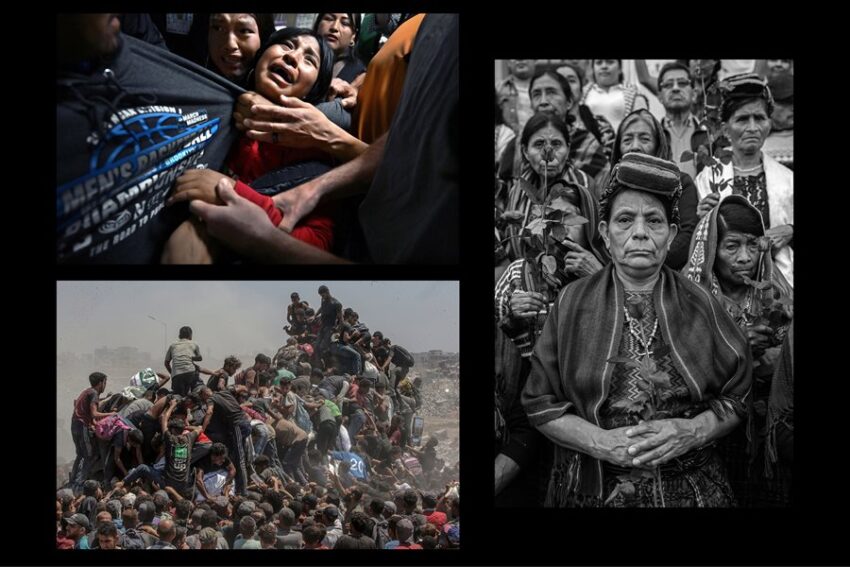
prestigious photo contest answers what is a The World Press Photo competition has sparked a vital conversation about the essence of photography in an age dominated by generative AI.
prestigious photo contest answers what is a
Introduction to the World Press Photo Competition
The World Press Photo competition is one of the most prestigious awards in the field of photojournalism, celebrating the power of images to tell stories and capture reality. Established in 1955, this annual event recognizes the best photographic works from around the globe, emphasizing the importance of visual storytelling in a world increasingly influenced by digital technology and artificial intelligence. As the competition evolves, it raises critical questions about the nature of photography itself, particularly in light of advancements in generative AI.
The 2026 Winning Photograph
On a significant note, the winning entry for the 2026 World Press Photo of the Year was announced recently. Titled “Separated by ICE,” the photograph was taken by renowned photojournalist Carol Guzy. This poignant image captures a heart-wrenching moment: children clinging to their father after an immigration hearing. The raw emotion conveyed in the photograph serves as a powerful reminder of the human stories behind immigration policies and the often-overlooked struggles faced by families.
Significance of the Winning Image
Guzy’s photograph is not just a representation of a single moment; it encapsulates broader themes of separation, family, and the impact of immigration laws. The image resonates deeply in today’s socio-political climate, where discussions around immigration are both timely and contentious. By focusing on the emotional aspects of the situation, Guzy’s work emphasizes the human cost of policy decisions, making it a compelling choice for the award.
Technical Aspects and AI Regulations
In a time when technology is rapidly advancing, the World Press Photo competition has implemented specific regulations regarding the use of AI tools in submissions. These rules are designed to ensure that the integrity of photojournalism is maintained, emphasizing the importance of authenticity in visual storytelling. For an image to be eligible for the competition, it must adhere to strict guidelines that limit the extent to which AI can be used in its creation.
These regulations reflect a growing concern within the photography community about the implications of AI-generated images. As generative AI becomes more prevalent, questions arise about what constitutes a “real” photograph. The World Press Photo competition aims to navigate this complex landscape by promoting transparency and ethical standards in photojournalism.
The Role of Photojournalism in Society
Photojournalism plays a crucial role in shaping public perception and understanding of significant events. Through powerful imagery, photojournalists can convey emotions, tell stories, and provide context to complex issues. The World Press Photo competition serves as a platform for these narratives, highlighting the importance of visual documentation in an increasingly visual culture.
Impact of Technology on Photojournalism
As technology continues to evolve, so too does the landscape of photojournalism. The rise of social media and digital platforms has transformed how images are shared and consumed. While these advancements have democratized photography, allowing more voices to be heard, they have also led to challenges regarding authenticity and misinformation.
In this context, the World Press Photo competition stands as a beacon of integrity, emphasizing the need for responsible journalism. By recognizing the best in photojournalism, the competition encourages photographers to uphold ethical standards and strive for excellence in their work.
Reactions from the Photography Community
The announcement of the 2026 World Press Photo of the Year has elicited a range of reactions from the photography community and beyond. Many have praised Guzy’s work for its emotional depth and storytelling ability, while others have engaged in discussions about the implications of AI in photography.
Support for Ethical Standards
Numerous photographers and industry professionals have expressed support for the competition’s regulations regarding AI usage. They argue that maintaining ethical standards is essential for preserving the credibility of photojournalism. By setting clear guidelines, the World Press Photo competition reinforces the idea that authenticity is paramount in visual storytelling.
Concerns About AI’s Influence
Conversely, some critics have raised concerns about the potential for AI to undermine the value of traditional photography. As generative AI tools become more sophisticated, there is a fear that they could dilute the impact of genuine human experiences captured through the lens. This apprehension highlights the ongoing debate about the role of technology in creative fields and the need for a balanced approach that respects both innovation and authenticity.
Broader Implications for Visual Storytelling
The discussions surrounding the World Press Photo competition extend beyond the realm of photography. They touch on broader societal issues, including the nature of truth in an age of misinformation and the role of visual media in shaping public discourse. As images become increasingly manipulated and generated by algorithms, the need for critical engagement with visual content becomes more pressing.
Encouraging Critical Engagement
In response to these challenges, the World Press Photo competition aims to foster critical engagement with photography. By showcasing powerful images that tell compelling stories, the competition encourages audiences to reflect on the narratives presented to them. This engagement is vital in an era where images can easily be distorted or taken out of context.
The Future of Photojournalism
Looking ahead, the future of photojournalism will likely be shaped by the ongoing interplay between technology and ethics. As new tools emerge, photographers will need to navigate the complexities of their use while remaining committed to the principles of authenticity and integrity. The World Press Photo competition will continue to play a pivotal role in this landscape, championing the best in photojournalism and advocating for responsible practices.
Conclusion
The World Press Photo competition serves as a vital platform for recognizing the power of photography in storytelling, particularly in an age where generative AI poses new challenges. Carol Guzy’s winning photograph, “Separated by ICE,” not only highlights the emotional weight of immigration issues but also underscores the importance of ethical standards in photojournalism. As the competition evolves, it will undoubtedly continue to spark essential conversations about the nature of photography and its role in society.
Source: Original report
Was this helpful?
Explore more: AI Automation Services More AI & Automation Tech News
Last Modified: April 24, 2026 at 4:37 pm
11 views