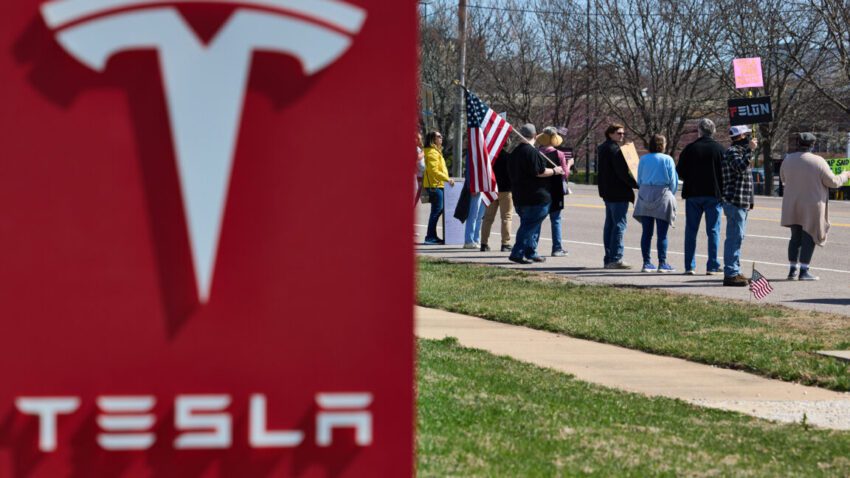
tesla 2024 was bad 2025 was worse Tesla’s financial results for 2025 reveal a significant downturn, marking the first time in the company’s history that revenues have declined year over year.
tesla 2024 was bad 2025 was worse
Overview of Tesla’s Financial Performance
Tesla, the leading electric vehicle (EV) manufacturer, has been a dominant player in the automotive industry, known for its innovative technology and ambitious growth targets. However, the company’s financial results for 2025 indicate a troubling trend. Following a challenging 2024, Tesla’s performance in 2025 has deteriorated further, with revenues falling by 46 percent compared to the previous year. This decline has raised concerns among investors and industry analysts about the company’s future trajectory.
Revenue Decline in 2025
In its recent financial report, Tesla disclosed that its automotive revenues fell by 11 percent, totaling $17.7 billion. This drop is particularly alarming given that it follows a 16 percent decline in sales and production numbers for the fourth quarter of 2025 compared to Q4 2024. The automotive sector has long been the backbone of Tesla’s revenue, and this decline signals potential challenges in maintaining its market position.
The decline in automotive revenues can be attributed to several factors, including increased competition in the EV market, supply chain disruptions, and changing consumer preferences. As more automakers enter the EV space, Tesla faces heightened competition, which may have affected its sales figures. Additionally, ongoing supply chain issues have impacted production capabilities, further exacerbating the decline in revenue.
Performance of Energy Storage and Services
Despite the downturn in automotive revenues, Tesla’s energy storage business and services division showed promising growth. The energy storage segment generated $3.8 billion in revenue, reflecting a 25 percent increase. This growth highlights the company’s efforts to diversify its revenue streams beyond automotive sales, positioning itself as a leader in renewable energy solutions.
Similarly, Tesla’s services division reported revenues of $3.4 billion, marking an 18 percent increase. This segment includes revenue from vehicle maintenance, repairs, and software services, demonstrating that Tesla is successfully monetizing its existing customer base through additional offerings. The growth in these areas may provide some cushion against the declining automotive revenues, but it remains to be seen if they can fully offset the losses.
Market Reactions and Stakeholder Concerns
The financial results have elicited a range of reactions from investors, analysts, and industry stakeholders. Many investors have expressed concern over the declining automotive revenues, fearing that Tesla’s market dominance may be at risk. The company’s stock price has already shown volatility in response to these results, reflecting investor anxiety about future growth prospects.
Analysts have also weighed in on the implications of Tesla’s financial performance. Some believe that the decline in automotive revenues may signal a need for the company to reevaluate its pricing strategies and marketing efforts. As competition intensifies, Tesla may need to consider offering more competitive pricing or enhancing its marketing campaigns to attract new customers.
Implications for Tesla’s Future
The decline in revenues raises critical questions about Tesla’s future growth trajectory. As the EV market continues to evolve, Tesla must adapt to changing consumer preferences and market dynamics. The company has historically relied on its brand strength and technological innovation to maintain its market position, but these factors may not be sufficient in an increasingly crowded marketplace.
Moreover, the automotive industry is undergoing a significant transformation, with many traditional automakers ramping up their EV production efforts. This shift could further erode Tesla’s market share if the company does not respond effectively. Analysts suggest that Tesla may need to invest more in research and development to enhance its product offerings and stay ahead of the competition.
Broader Context of the Electric Vehicle Market
The challenges facing Tesla are not unique to the company; they reflect broader trends in the electric vehicle market. As consumer demand for EVs continues to grow, more automakers are entering the fray, leading to increased competition. Established automotive giants are investing heavily in EV technology, and new entrants are emerging with innovative solutions.
Additionally, government policies and incentives aimed at promoting electric vehicle adoption are evolving. While many regions are still offering incentives to encourage EV purchases, the landscape is changing, and some programs may be scaled back in the future. This could impact consumer purchasing decisions and, in turn, Tesla’s sales figures.
Strategic Responses from Tesla
In light of these challenges, Tesla is likely to implement strategic responses to bolster its market position. One potential avenue is to enhance its production capabilities to meet growing demand. The company has been expanding its manufacturing facilities globally, including new Gigafactories in various regions. These expansions could help Tesla increase production capacity and reduce supply chain vulnerabilities.
Moreover, Tesla may focus on improving its customer experience to retain existing customers and attract new ones. This could involve enhancing its service offerings, streamlining the purchasing process, and investing in customer support. By prioritizing customer satisfaction, Tesla can strengthen brand loyalty and potentially mitigate the impact of declining automotive revenues.
Conclusion
Tesla’s financial results for 2025 paint a concerning picture for the electric automaker. The decline in automotive revenues, coupled with increased competition and changing market dynamics, poses significant challenges for the company. While growth in the energy storage and services sectors offers some hope, it remains uncertain whether these segments can fully offset the losses in automotive sales.
As Tesla navigates this turbulent landscape, its ability to adapt and innovate will be crucial for its long-term success. The company must remain vigilant in responding to market changes and consumer preferences to maintain its position as a leader in the electric vehicle industry.
Source: Original report
Was this helpful?
Explore more: More Business & Startups Tech News Blog
Last Modified: January 29, 2026 at 2:35 pm
12 views