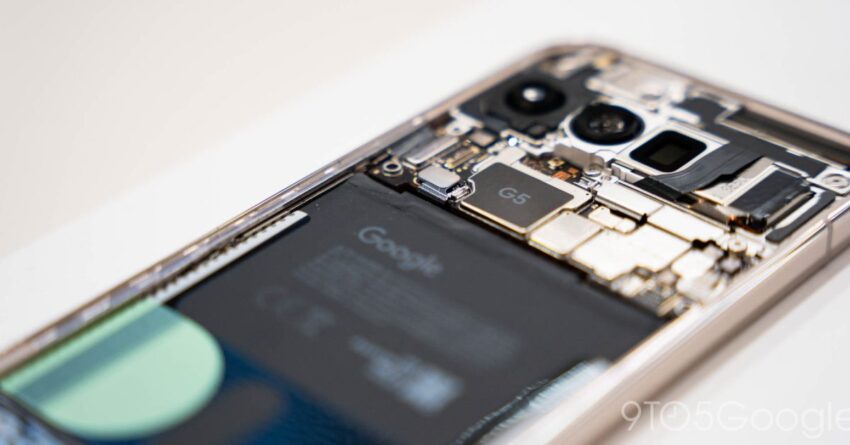
tensor g6 reportedly bringing latest arm cpu Recent leaks regarding Google’s forthcoming Pixel 11 series reveal intriguing details about the Tensor G6 chipset, highlighting a blend of advancements and shortcomings.
tensor g6 reportedly bringing latest arm cpu
Overview of the Tensor G6 Chipset
The Tensor G6 is poised to be the next iteration in Google’s proprietary chipset lineup, designed specifically for its Pixel smartphones. This chipset is expected to power the Pixel 11 series, which is anticipated to launch in the latter half of 2026. The Tensor series has been pivotal in enhancing the performance and capabilities of Pixel devices, particularly in areas like artificial intelligence, machine learning, and camera processing.
CPU Developments: Embracing the Latest ARM Cores
One of the most promising aspects of the Tensor G6 is its reported use of the latest ARM CPU cores. This upgrade is significant as it suggests that Google is focusing on improving the overall processing power and efficiency of its devices. The ARM architecture is known for its energy efficiency and performance, making it an ideal choice for mobile devices that require a balance between power and battery life.
Incorporating the latest ARM cores could lead to enhanced multitasking capabilities, faster app launches, and improved overall system performance. This is particularly important for users who rely on their smartphones for demanding tasks such as gaming, video editing, and multitasking across various applications.
GPU Concerns: An Outdated Graphics Processor
While the CPU advancements are encouraging, the leak also indicates that the Tensor G6 may feature an outdated GPU. This could be a potential drawback for the Pixel 11 series, especially in an era where mobile gaming and graphics-intensive applications are becoming increasingly popular. An outdated GPU may not be able to handle the latest graphics technologies or provide the performance that users expect from a flagship device.
The implications of this could be significant. Users who prioritize gaming or high-performance applications may find the Pixel 11 lacking in graphical capabilities compared to competitors that utilize more advanced GPUs. This could affect the overall user experience, particularly for those who engage in resource-heavy tasks.
Context: The Evolution of Google’s Tensor Chipsets
The Tensor G6 will follow in the footsteps of its predecessors, the Tensor G1, G2, G3, G4, and G5, each of which has brought incremental improvements in processing power and efficiency. The Tensor G1, introduced with the Pixel 6 in 2021, marked Google’s entry into the custom chip market, focusing on AI and machine learning capabilities. Subsequent iterations have continued to refine these features while also addressing performance and efficiency.
However, the challenge for Google has been to keep pace with competitors such as Apple and Qualcomm, which have consistently pushed the envelope with their chipsets. Apple’s A-series chips, for instance, have set a high bar in terms of performance and efficiency, while Qualcomm’s Snapdragon series has dominated the Android market. The Tensor G6’s reliance on outdated GPU technology could hinder Google’s ability to compete effectively in this landscape.
Stakeholder Reactions and Industry Implications
The initial reactions from industry analysts and tech enthusiasts have been mixed. On one hand, the inclusion of the latest ARM CPU cores is seen as a positive step forward, indicating that Google is committed to enhancing the performance of its devices. On the other hand, the potential use of an outdated GPU has raised concerns about the Pixel 11’s competitiveness in a rapidly evolving market.
Analysts have pointed out that while the CPU improvements are essential, they may not be enough to offset the limitations posed by an outdated GPU. This could lead to a scenario where the Pixel 11 series is perceived as a less attractive option for consumers who prioritize gaming and graphics performance.
Consumer Expectations
Consumer expectations for flagship smartphones have evolved significantly in recent years. Users now demand devices that not only perform well in everyday tasks but also excel in gaming, multimedia consumption, and productivity. The Pixel 11 series, with its Tensor G6 chipset, will need to meet these expectations to maintain its position in the market.
Moreover, the Pixel brand has cultivated a reputation for delivering exceptional camera performance, largely due to the capabilities of the Tensor chipsets. If the GPU limitations hinder the overall performance of the Pixel 11, it could impact the camera’s ability to process images and videos effectively, which is a critical selling point for many consumers.
Comparative Analysis: Pixel 11 vs. Competitors
To understand the potential impact of the Tensor G6 on the Pixel 11’s market position, it is essential to compare it with competitors. Apple’s iPhone series, particularly the latest models featuring the A16 Bionic chip, showcases a powerful combination of CPU and GPU performance. Similarly, Qualcomm’s Snapdragon 8 Gen 2 has been well-received for its efficiency and graphics capabilities, making it a popular choice among Android manufacturers.
In contrast, if the Pixel 11’s Tensor G6 falls short in GPU performance, it may struggle to attract consumers who are considering devices from these competitors. The smartphone market is highly competitive, and consumers often weigh performance, camera capabilities, and overall user experience when making purchasing decisions.
Future Prospects for Google’s Chip Development
Looking ahead, Google’s approach to chipset development will be crucial in determining the success of its Pixel devices. The Tensor G6 may serve as a learning experience for Google, highlighting the importance of balancing CPU and GPU capabilities. As the company continues to refine its chipsets, it will need to prioritize not only performance but also the integration of cutting-edge graphics technology.
Additionally, Google’s investment in AI and machine learning will likely continue to play a significant role in its chipset development. Future iterations of the Tensor series may focus on enhancing these capabilities while also addressing the performance gaps identified in the Tensor G6.
Conclusion: A Mixed Bag for the Pixel 11
The leaks surrounding the Tensor G6 chipset for the Pixel 11 series present a mixed bag of developments. The incorporation of the latest ARM CPU cores is a promising sign for performance improvements, while the potential use of an outdated GPU raises concerns about the device’s competitiveness in a rapidly evolving market. As Google prepares to launch the Pixel 11, it will be essential for the company to address these challenges to meet consumer expectations and maintain its position in the smartphone landscape.
Source: Original report
Was this helpful?
Explore more: More Hardware & Devices Tech News Blog
Last Modified: April 29, 2026 at 1:37 pm
16 views