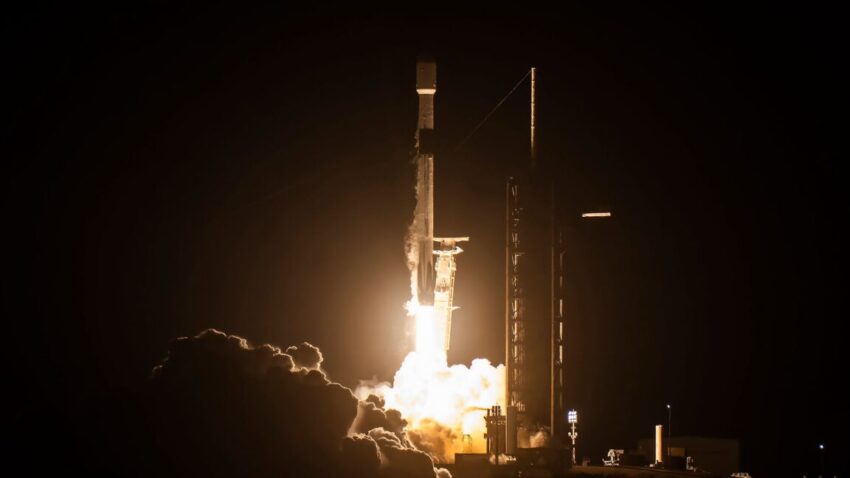
a falcon 9 rocket will hit the A Falcon 9 rocket’s upper stage is set to collide with the Moon this summer, marking a significant event in space observation and exploration.
a falcon 9 rocket will hit the
Overview of the Falcon 9 Impact
Astronomers have confirmed that the upper stage of a Falcon 9 rocket, which was launched in early 2025, is on a collision course with the Moon. The expected impact is scheduled for August 5, 2026, at 2:44 AM ET (06:44 UTC). This event is particularly noteworthy as it will occur on the near side of the Moon, making it more accessible for observation, albeit with some limitations.
Details of the Falcon 9 Upper Stage
The Falcon 9 rocket’s upper stage measures 13.8 meters (45 feet) in height and has a diameter of 3.7 meters (12 feet). This substantial structure is designed to carry payloads into orbit, but once its mission is complete, it often remains in space. In this case, the upper stage has been left in a trajectory that will lead it to the Moon.
One of the unique aspects of this impact is that the Moon lacks an atmosphere. As a result, the upper stage will strike the lunar surface intact, rather than burning up upon entry as would occur on Earth. This means that the impact could create a noticeable effect on the Moon’s surface, potentially resulting in a new crater.
Significance of the Event
The impending collision of the Falcon 9 upper stage with the Moon holds several implications for astronomers and space enthusiasts alike. Bill Gray, a prominent figure in the field of astronomy, has been instrumental in tracking this event. Gray is known for developing the Project Pluto software, which is widely used for monitoring near-Earth objects. His report on the upcoming impact has generated considerable interest within the scientific community.
Potential Observational Opportunities
While the impact will occur on the Moon’s near side, which is visible from Earth, Gray has cautioned that the event may be too faint to be observed with Earth-based telescopes. The brightness of the impact will depend on various factors, including the angle of impact and the surface characteristics of the Moon at the impact site.
Despite this, the event will be visible to the eastern half of the United States and Canada, as well as much of South America. This geographical advantage could provide a unique opportunity for amateur astronomers and space enthusiasts to witness a rare event, even if it is not as dramatic as a meteor shower or a lunar eclipse.
Context of Space Debris and Its Implications
The collision of the Falcon 9 upper stage with the Moon raises important questions about space debris and its management. As space exploration continues to expand, the issue of debris in orbit has become increasingly pressing. The upper stage of rockets, defunct satellites, and other remnants of space missions contribute to a growing population of space debris that poses risks to operational spacecraft.
Understanding Space Debris
Space debris is defined as non-functional spacecraft, abandoned launch vehicle stages, and fragments from collisions or disintegration. The increasing amount of debris in low Earth orbit (LEO) presents challenges for both current and future missions. The Falcon 9 upper stage, while not in LEO, is a reminder of the long-term consequences of space missions.
When objects like the Falcon 9 upper stage collide with celestial bodies, they can provide valuable data for scientists. The impact can help researchers understand the composition and structure of the Moon’s surface, as well as the effects of impacts on celestial bodies in general. Such data can inform future missions and improve safety protocols for spacecraft operating in proximity to debris.
Stakeholder Reactions
The announcement of the Falcon 9 upper stage’s impending impact has elicited a range of reactions from various stakeholders in the space community. Scientists, astronomers, and space agencies are all keenly interested in the event, as it presents an opportunity for research and observation.
Scientific Community
Members of the scientific community have expressed excitement about the potential for new insights into lunar geology. The impact could create a new crater, allowing scientists to study the Moon’s surface composition and geological history. The data collected from this event may also contribute to ongoing research into the Moon’s formation and evolution.
Astronomy Enthusiasts
Astronomy enthusiasts and amateur astronomers are also looking forward to the event. While the impact may not be visible to the naked eye, it serves as a reminder of the dynamic nature of our solar system. Many amateur astronomers plan to use telescopes and other equipment to monitor the Moon during the expected time of impact, hoping to capture any observable effects.
Space Agencies
Space agencies around the world are closely monitoring the situation. NASA, for instance, has a vested interest in understanding the implications of space debris and its interactions with celestial bodies. The agency’s ongoing lunar exploration efforts, including the Artemis program, highlight the importance of studying the Moon and its environment.
Implications for Future Lunar Missions
The upcoming impact of the Falcon 9 upper stage may also have implications for future lunar missions. As space agencies plan to return humans to the Moon and establish a sustainable presence, understanding the effects of impacts on the lunar surface will be crucial. The data gathered from this event could inform safety protocols and mission planning for future lunar landings.
Long-Term Monitoring of the Moon
In addition to immediate implications, the event underscores the need for long-term monitoring of the Moon and other celestial bodies. As space exploration continues to evolve, the potential for collisions with space debris will remain a concern. Establishing a comprehensive monitoring system for both the Moon and Earth’s orbit will be essential for ensuring the safety of future missions.
Conclusion
The impending collision of the Falcon 9 upper stage with the Moon is a significant event that highlights the complexities of space exploration and the challenges posed by space debris. While the impact may not be visible to the naked eye, it presents an opportunity for scientific research and observation that could yield valuable insights into lunar geology and the effects of impacts on celestial bodies. As the date approaches, the space community will be watching closely, eager to learn from this unique event.
Source: Original report
Was this helpful?
Explore more: More General Technology Tech News Blog
Last Modified: April 29, 2026 at 7:36 pm
19 views