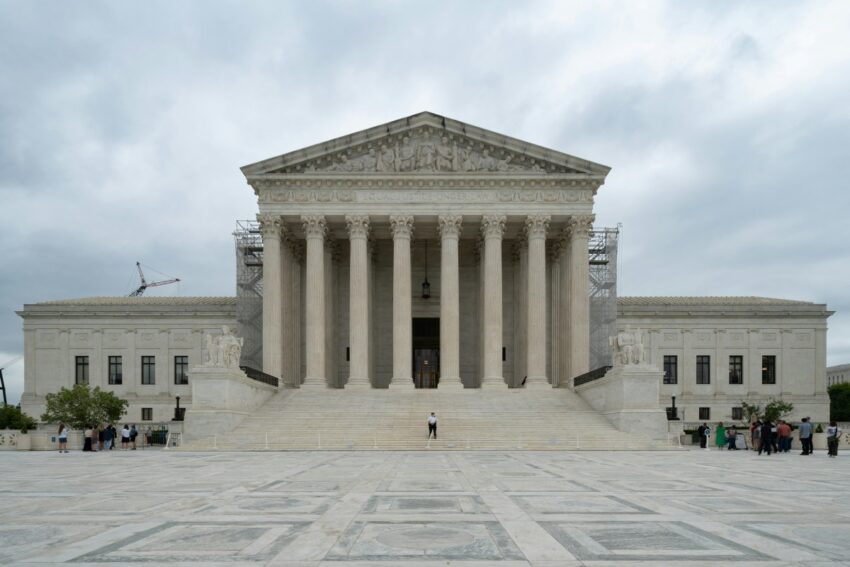
supreme court hacker posted stolen government data A hacker has pleaded guilty to stealing sensitive information from the Supreme Court and other federal agencies, subsequently posting the stolen data on Instagram.
supreme court hacker posted stolen government data
The Case Against Nicholas Moore
Nicholas Moore, a 29-year-old individual from Virginia, has admitted to charges related to the unauthorized access and theft of personal information from various federal government agencies, including the Supreme Court. The plea was entered in a federal court, where Moore acknowledged his role in a scheme that exploited vulnerabilities in government systems.
<h3.Background of the Incident
The incident came to light when federal authorities began investigating a series of data breaches that targeted government databases. Moore was found to have accessed confidential information, including Social Security numbers, addresses, and other personal identifiers of numerous individuals. The breaches raised significant concerns regarding the security of sensitive government data and the potential implications for the victims involved.
Moore’s activities were not limited to mere data theft; he took the additional step of publicizing the stolen information on social media. His Instagram account, @ihackthegovernment, became a platform for showcasing the stolen data, which included screenshots and other sensitive materials. This brazen act of sharing confidential information on a public forum drew widespread attention and alarm from both the public and law enforcement agencies.
<h3.Motivations Behind the Hack
The motivations behind Moore’s actions appear to be multifaceted. According to court documents, he sought notoriety and recognition within the hacking community. By posting the stolen data online, he aimed to demonstrate his skills and capabilities as a hacker. Additionally, there may have been financial incentives, as some reports suggest that he attempted to sell the stolen information to interested parties.
<h2.Legal Proceedings and Charges
Moore faced several charges, including identity theft, unauthorized access to computer systems, and conspiracy to commit fraud. The legal proceedings against him were expedited due to the severity of the offenses and the potential risks posed to the victims whose information was compromised.
<h3.Plea Agreement Details
As part of his plea agreement, Moore has agreed to cooperate with federal authorities in their ongoing investigations into other potential breaches and the broader implications of his actions. This cooperation may provide insights into how such breaches occur and how they can be prevented in the future. The plea deal also indicates that Moore may face a reduced sentence in exchange for his assistance.
<h3.Potential Sentencing Outcomes
Moore’s sentencing is scheduled for later this year, and he faces a maximum penalty of several years in prison. The court will consider various factors, including the extent of the data theft, the impact on the victims, and Moore’s cooperation with law enforcement. Legal experts suggest that the court may take into account the growing trend of cybercrime and the need for deterrence in sentencing.
<h2.Implications for Cybersecurity
This case highlights significant concerns regarding cybersecurity within government agencies. The breach of sensitive information from the Supreme Court and other federal entities raises questions about the adequacy of current security measures and protocols. Experts argue that government systems must be fortified against such attacks to protect the personal information of citizens.
<h3.Growing Threat of Cybercrime
The rise of cybercrime has become a pressing issue for governments and organizations worldwide. As technology advances, so do the methods employed by hackers. The case of Nicholas Moore serves as a stark reminder of the vulnerabilities that exist within even the most secure systems. Law enforcement agencies are increasingly focusing on cybercrime as a priority, recognizing the potential for widespread harm.
<h3.Reactions from Stakeholders
The reactions to Moore’s actions have been varied. Law enforcement officials have expressed relief that the perpetrator has been apprehended and is facing legal consequences. They emphasize the importance of holding cybercriminals accountable to deter future offenses. Additionally, victims of the data breach have voiced concerns about the potential misuse of their information and the long-term implications for their privacy and security.
Cybersecurity experts have also weighed in on the incident, calling for enhanced security measures and greater awareness of the risks associated with data breaches. They advocate for regular audits of government systems and the implementation of advanced security protocols to prevent unauthorized access. The need for collaboration between government agencies and private sector cybersecurity firms has also been emphasized to bolster defenses against cyber threats.
<h2.The Role of Social Media in Cybercrime
Moore’s use of Instagram to share stolen data raises important questions about the role of social media in facilitating cybercrime. The platform provided him with a wide audience, allowing him to showcase his exploits and potentially inspire others to engage in similar activities. This phenomenon underscores the need for social media companies to take a more proactive approach in monitoring and addressing illegal activities on their platforms.
<h3.Evolving Nature of Hacking Culture
The hacking culture has evolved significantly over the years, with social media playing a pivotal role in shaping the landscape. Hackers often seek validation and recognition through public displays of their skills, as seen in Moore’s case. This trend has led to a growing concern among law enforcement agencies about the potential for copycat incidents and the normalization of cybercrime.
<h2.Conclusion
The case of Nicholas Moore serves as a critical reminder of the vulnerabilities that exist within government systems and the ongoing threat posed by cybercriminals. As he awaits sentencing, the implications of his actions continue to reverberate throughout the cybersecurity landscape. The need for enhanced security measures, greater awareness of cyber threats, and collaboration between various stakeholders has never been more apparent.
As technology continues to advance, so too must our defenses against those who seek to exploit it for malicious purposes. The lessons learned from this case will undoubtedly inform future efforts to protect sensitive information and ensure the integrity of government systems.
Source: Original report
Was this helpful?
Explore more: Application Audit & Review More Cybersecurity Tech News
Last Modified: January 17, 2026 at 10:42 am
26 views