steam machine today steam phones tomorrow Valve’s ambitions in the gaming industry are evolving, with the company exploring the potential of bringing PC gaming to a broader audience through mobile platforms.
steam machine today steam phones tomorrow
The Steam Machine: A Brief Overview
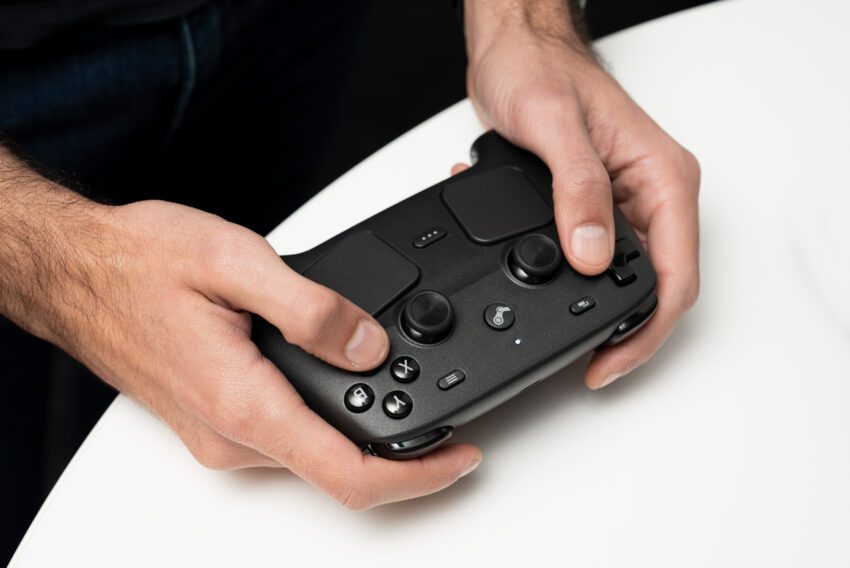
Valve’s foray into the console market with the Steam Machine has generated significant buzz. Launched in 2015, the Steam Machine was designed to bring PC gaming into the living room, allowing players to enjoy their favorite titles on a console-like device. However, despite its innovative concept, the Steam Machine struggled to gain traction in a market dominated by established players like Sony and Microsoft.
One of the key features of the Steam Machine was its compatibility with the SteamOS, a Linux-based operating system tailored for gaming. This allowed users to access their Steam library and play games without the need for a traditional gaming PC. However, the initial excitement surrounding the Steam Machine has waned, leading some to speculate that it may become a mere footnote in gaming history.
Shifting Focus: The Potential of ARM Chips
As Valve reflects on its gaming hardware strategy, the company is considering the implications of ARM architecture. ARM chips are ubiquitous, powering billions of devices worldwide, including smartphones and tablets. The idea of leveraging this widespread technology to deliver PC gaming experiences directly to mobile devices presents a compelling opportunity.
Imagine a scenario where PC games are not only playable on dedicated consoles but also seamlessly accessible on ARM-based devices. This shift could revolutionize the gaming landscape, eliminating the need for developers to invest time and resources into porting games for different platforms. Instead, games designed for desktop PCs could function on mobile devices with minimal adjustments.
The Advantages of ARM Architecture
ARM architecture offers several advantages that could benefit both developers and gamers:
- Energy Efficiency: ARM chips are known for their power efficiency, making them ideal for mobile devices. This efficiency could lead to longer gaming sessions without draining battery life.
- Widespread Adoption: With billions of ARM devices in circulation, the potential audience for PC games could expand dramatically, reaching gamers who may not own a dedicated gaming console or PC.
- Cost-Effectiveness: Developing games for a single architecture could reduce costs for developers, allowing them to focus on creating high-quality content rather than managing multiple versions of a game.
Implications for Game Developers
The prospect of running PC games on ARM devices raises important questions for game developers. Traditionally, developers have had to navigate a complex landscape of hardware and software compatibility issues when porting games to different platforms. This often results in delays and additional costs, which can hinder the release of new titles.
By adopting a more unified approach to game development, where PC games can run on ARM architecture with minimal modifications, developers could streamline their workflows. This could lead to faster turnaround times for game releases and a more efficient use of resources.
Challenges Ahead
While the potential benefits of this shift are clear, there are also challenges that Valve and the gaming industry must address:
- Performance Optimization: Not all PC games are designed with mobile hardware in mind. Developers will need to ensure that their games can run smoothly on ARM devices, which may require optimization and testing.
- Market Fragmentation: The gaming market is already fragmented, with various platforms and ecosystems. Introducing a new standard could complicate matters further, as developers may need to consider multiple device specifications.
- Consumer Acceptance: Gamers have specific expectations regarding performance and graphics quality. Convincing them that mobile devices can deliver a comparable experience to traditional consoles may take time.
Valve’s Vision for the Future
Valve’s exploration of ARM technology aligns with its broader vision of making gaming more accessible. The company has a history of pushing boundaries, from the introduction of the Steam platform to the development of virtual reality (VR) technologies. By focusing on ARM chips, Valve could position itself as a leader in the next wave of gaming innovation.
Moreover, the integration of PC gaming into mobile devices could open up new avenues for social gaming experiences. Players could engage with their friends and communities in ways that were previously limited to traditional gaming setups. This could lead to a more interconnected gaming ecosystem, where players can seamlessly transition between devices.
The Role of the Steam Deck
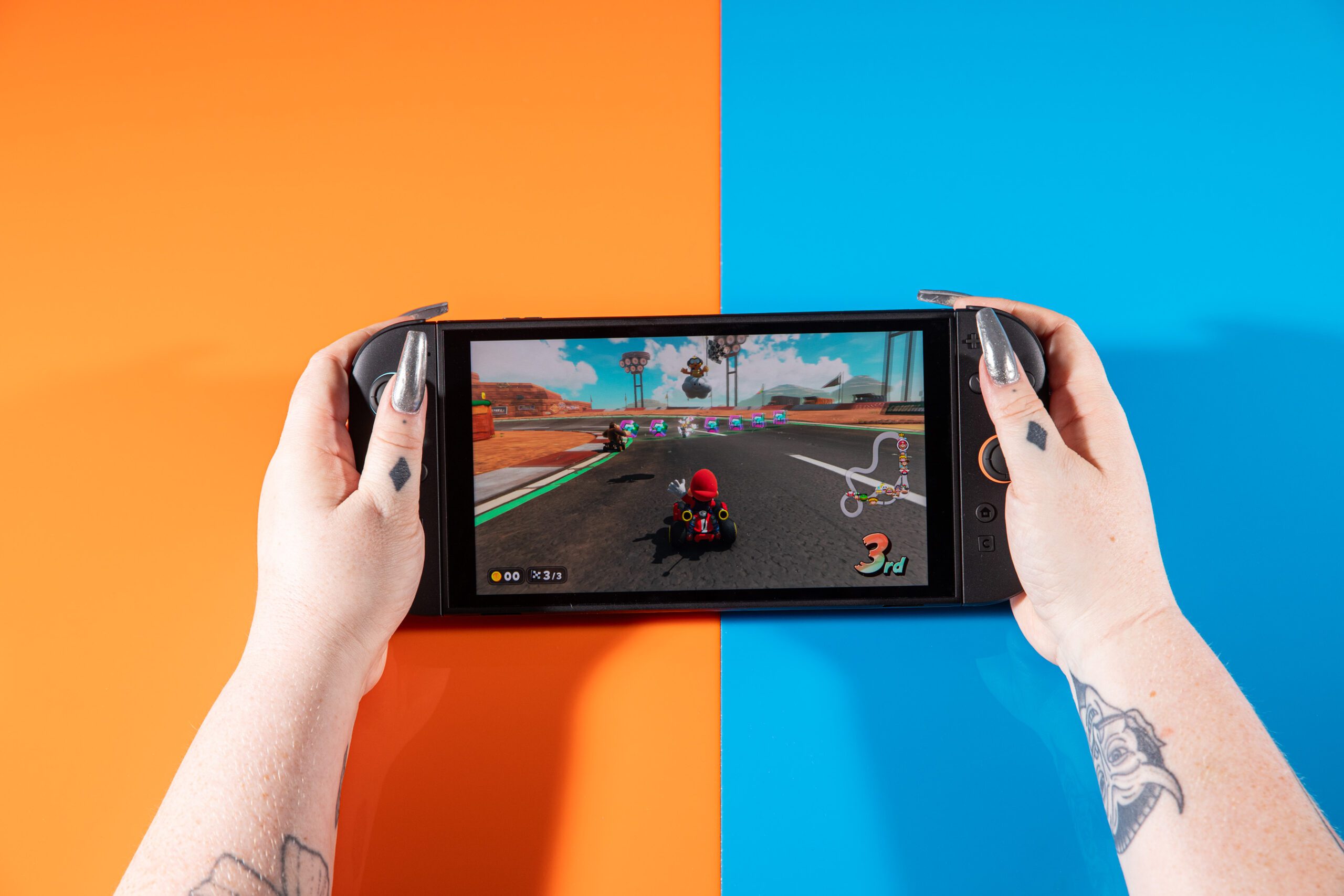
Valve’s recent release of the Steam Deck, a handheld gaming device that runs a customized version of SteamOS, further emphasizes the company’s commitment to portable gaming. The Steam Deck allows players to access their entire Steam library on the go, showcasing the potential of combining PC gaming with mobile convenience.
As the Steam Deck gains popularity, it could serve as a testing ground for Valve’s ARM ambitions. The success of the Steam Deck may influence how the company approaches the integration of PC gaming into mobile platforms in the future.
Stakeholder Reactions
The gaming community has responded with a mix of excitement and skepticism regarding Valve’s potential pivot towards ARM technology. Some industry insiders believe that this shift could democratize gaming, allowing more players to access high-quality titles without the need for expensive hardware. Others, however, express concerns about the feasibility of delivering a consistent gaming experience across diverse devices.
Developers have also weighed in, with many expressing cautious optimism about the prospect of a more streamlined development process. However, there are lingering concerns about the technical challenges associated with optimizing games for mobile hardware.
Consumer Perspectives
From a consumer standpoint, the idea of playing PC games on mobile devices is appealing. Gamers are increasingly seeking flexibility in their gaming experiences, and the ability to play high-quality titles on their smartphones or tablets could enhance their engagement with gaming. However, consumers are also wary of potential compromises in performance and graphics quality.
As Valve navigates this transition, it will be crucial for the company to communicate its vision clearly and address consumer concerns. Building trust with gamers will be essential to ensure the successful adoption of this new approach.
Conclusion: A New Era for Gaming?
Valve’s exploration of bringing PC gaming to ARM devices represents a significant shift in the gaming landscape. While the Steam Machine may not have achieved the success initially anticipated, the potential to leverage ARM architecture could redefine how players access and experience games.
As the gaming industry continues to evolve, Valve’s commitment to innovation and accessibility will play a pivotal role in shaping the future of gaming. The integration of PC games into mobile platforms could pave the way for a more inclusive gaming ecosystem, where players can enjoy their favorite titles anytime, anywhere.
Ultimately, the success of this endeavor will depend on Valve’s ability to navigate the challenges ahead, engage with stakeholders, and deliver a compelling gaming experience that meets the expectations of both developers and consumers.
Source: Original report
Was this helpful?
Explore more: More Gaming Tech News Blog
Last Modified: December 3, 2025 at 1:40 am
20 views