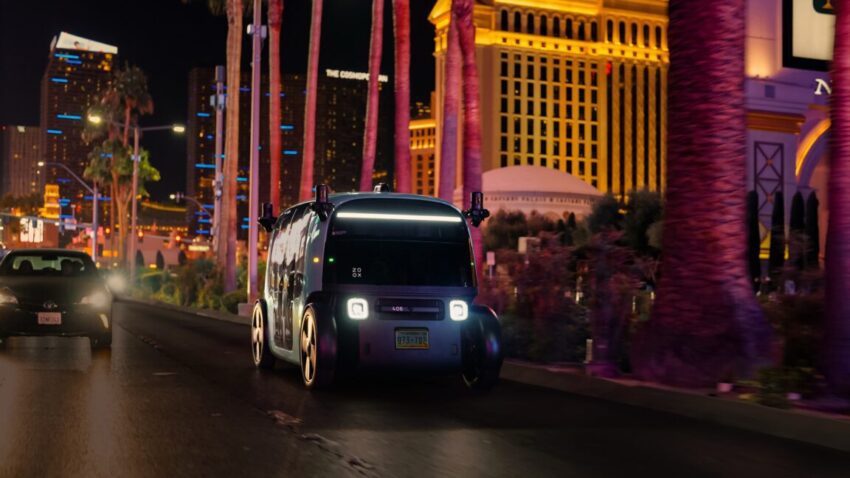
start with the sensors then design the Zoox, a company acquired by Amazon in 2020, is redefining the concept of robotaxis with its unique design and technology, setting it apart from traditional self-driving vehicle approaches.
start with the sensors then design the
The Evolution of Self-Driving Technology
In recent years, the spotlight has shifted towards artificial intelligence and robotics, yet the narrative surrounding self-driving technology has been evolving for nearly a decade. During the latter half of the 2010s, self-driving vehicles were the talk of the tech world, with numerous startups emerging to capitalize on the burgeoning interest. The Consumer Electronics Show (CES) became a showcase for these innovations, where attendees could witness the latest advancements in autonomous driving technology. However, the COVID-19 pandemic brought about significant changes, leading to a consolidation in the industry as many startups either pivoted or shuttered their operations.
Despite the reduction in the number of companies pursuing self-driving technology, the underlying technology has matured considerably. Cities like San Francisco and Austin, Texas, have become testing grounds for these innovations, where sensor-laden vehicles navigate through urban environments. The presence of these vehicles has become increasingly common, reflecting the progress made in autonomous driving capabilities.
Introducing Zoox: A New Paradigm in Robotaxi Design
Among the various players in the robotaxi space, Zoox has emerged as a distinctive entity. While many companies have opted to retrofit existing vehicles—such as the Hyundai Ioniq 5—with the necessary sensors and computing power for autonomous driving, Zoox has taken a different approach. The company is focusing on a purpose-built design that prioritizes the unique requirements of a robotaxi.
Zoox’s robotaxis are characterized by their pod-like appearance, which sets them apart from conventional vehicles. This design is not merely aesthetic; it reflects a fundamental shift in how autonomous vehicles are conceptualized. Chris Stoffel, the director of robot industrial design and studio engineering at Zoox, emphasizes that “a robotaxi is not a car; it’s not a human-driven vehicle, and the requirements are wildly different, although it has to live in that world.” This statement encapsulates the essence of Zoox’s approach, which prioritizes the specific needs of autonomous transportation over traditional automotive design principles.
Purpose-Built Features
One of the most notable aspects of Zoox’s design is its focus on passenger experience. The vehicle is designed to accommodate riders in a way that traditional cars do not. With a symmetrical design, the robotaxi can operate in either direction, allowing for greater flexibility in urban environments. The interior is spacious, featuring a lounge-like atmosphere that encourages social interaction among passengers. This design philosophy aligns with the growing trend of shared mobility, where the experience of riding in a vehicle is as important as the destination itself.
Furthermore, the vehicle’s design incorporates a range of sensors that provide comprehensive situational awareness. These sensors are not merely add-ons; they are integral to the vehicle’s operation. Zoox has prioritized the placement and functionality of these sensors to ensure that the robotaxi can navigate complex urban environments safely and efficiently. The vehicle is equipped with LiDAR, cameras, and radar systems that work in tandem to create a detailed map of its surroundings, enabling it to make real-time decisions based on the data it collects.
Testing and Deployment
As Zoox prepares to launch its ride-hailing services, the company has already begun testing its vehicles in select cities, including Las Vegas and San Francisco. These locations were chosen not only for their technological infrastructure but also for their diverse urban landscapes. Testing in such environments allows Zoox to refine its algorithms and improve the vehicle’s performance in real-world scenarios.
The decision to operate in these cities also reflects a strategic choice to engage with a tech-savvy population that is more likely to embrace autonomous vehicle technology. By introducing its robotaxis in areas where residents are already familiar with ride-hailing services, Zoox aims to facilitate a smoother transition for potential users.
Challenges Ahead
Despite the promising advancements, Zoox faces a myriad of challenges as it moves towards full-scale deployment. Regulatory hurdles remain a significant concern, as local and state governments grapple with the implications of autonomous vehicles on public safety and urban planning. The legal framework surrounding self-driving technology is still evolving, and companies like Zoox must navigate these complexities to ensure compliance while advocating for favorable regulations.
Moreover, public perception plays a crucial role in the acceptance of robotaxis. While many individuals are enthusiastic about the potential benefits of autonomous vehicles, concerns about safety and reliability persist. Zoox must not only demonstrate the efficacy of its technology but also build trust with potential riders. This involves transparent communication about safety measures and the technology behind its robotaxis.
Stakeholder Reactions
The reactions from various stakeholders regarding Zoox’s approach to robotaxis have been mixed. Industry experts recognize the innovative nature of Zoox’s design, praising its focus on creating a vehicle tailored for autonomous operation. Many believe that this could set a new standard for the industry, encouraging other companies to rethink their strategies and designs.
However, traditional automotive manufacturers may view Zoox’s approach as a threat. Established companies that have invested heavily in retrofitting existing models may find themselves at a disadvantage if Zoox’s purpose-built design proves to be more effective in real-world applications. This could lead to increased competition and a potential shift in market dynamics as companies scramble to adapt to the changing landscape.
Implications for the Future of Mobility
Zoox’s innovative approach to robotaxi design has broader implications for the future of mobility. As cities continue to grow and urban congestion becomes a pressing issue, the need for efficient transportation solutions is more critical than ever. Autonomous vehicles, particularly those designed for ride-hailing services, could play a pivotal role in alleviating traffic and reducing emissions by promoting shared mobility.
Moreover, the emphasis on passenger experience in Zoox’s design highlights a shift in consumer expectations. As people become more accustomed to shared mobility solutions, the demand for comfortable and engaging travel experiences will likely increase. This could lead to a reimagining of public transportation systems, where autonomous vehicles complement existing infrastructure rather than compete with it.
Conclusion
Zoox’s commitment to creating a purpose-built robotaxi represents a significant step forward in the evolution of autonomous transportation. By prioritizing the unique requirements of self-driving vehicles and focusing on passenger experience, Zoox is setting itself apart in a competitive landscape. As the company prepares to launch its ride-hailing services, it will be crucial to navigate the challenges ahead, from regulatory hurdles to public perception. The success of Zoox’s robotaxi could not only reshape the future of mobility but also influence the trajectory of the entire automotive industry.
Source: Original report
Was this helpful?
Explore more: DevOps Services More Cloud & DevOps Tech News
Last Modified: April 28, 2026 at 6:36 pm
10 views