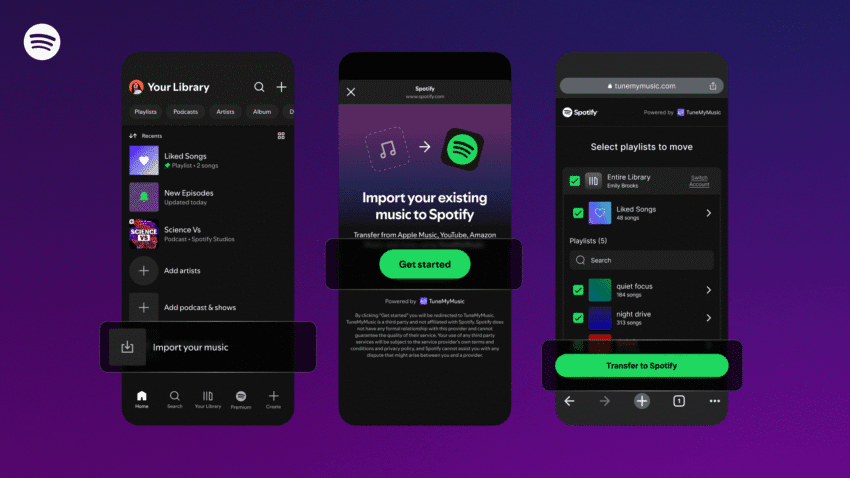
spotify simplifies importing playlists from other streaming Spotify has introduced a new feature that allows users to import playlists from other streaming services, aiming to attract users from competing platforms.
spotify simplifies importing playlists from other streaming
Background on Playlist Importing
In the competitive landscape of music streaming, user retention and acquisition are crucial. As of August, Apple Music launched its own tool for importing playlists from various streaming services, which sparked significant discussions within the industry. This move came at a time when Spotify faced criticism over its business practices, particularly regarding artist compensation. The timing of Apple Music’s feature rollout was seen as a strategic advantage, potentially swaying users away from Spotify.
Spotify’s response is a direct integration with TuneMyMusic, a service that facilitates the transfer of playlists between multiple platforms. This integration is not entirely new; it leverages existing technology rather than creating a brand-new tool from scratch. By partnering with TuneMyMusic, Spotify aims to streamline the process of moving playlists, making it easier for users to switch services without losing their curated music collections.
How the Integration Works
The integration with TuneMyMusic allows Spotify users to import playlists from a variety of other streaming services, including:
- Tidal
- YouTube Music
- Qobuz
- Beatport
- Napster
While users could opt to use third-party services like Soundiiz or SongShift to transfer playlists, these options often come with limitations, especially in their free tiers. Users may find restrictions on the number of playlists they can transfer or the duration of the service. By utilizing Spotify’s direct integration, users can enjoy an unlimited transfer experience, albeit with the caveat that the transfer is one-directional—from other services to Spotify.
Steps to Import Playlists
Importing playlists through Spotify is designed to be a user-friendly process. Here’s a step-by-step guide:
- Open the Spotify mobile app.
- Navigate to the settings menu.
- Select the option for importing playlists.
- Choose the streaming service from which you want to import.
- Log in to your account on the other service if prompted.
- Select the playlists you wish to transfer.
- Confirm the transfer, and your playlists will be imported into your Spotify library.
This straightforward process aims to minimize the friction often associated with switching music services, making it more appealing for users contemplating a move to Spotify.
Implications for the Music Streaming Market
The introduction of this playlist import feature has significant implications for the music streaming market. As competition intensifies, platforms are increasingly looking for ways to differentiate themselves and retain users. The ability to import playlists seamlessly can be a deciding factor for users who are considering switching services.
Spotify’s move may also be seen as a response to the growing dissatisfaction among artists regarding streaming royalties. The criticism directed at Spotify, particularly from high-profile artists, has led to calls for better compensation models. While the playlist import feature may not directly address these concerns, it does signal Spotify’s commitment to enhancing user experience in a time of scrutiny.
Stakeholder Reactions
Reactions to Spotify’s new feature have been mixed. Some users have expressed excitement about the ease of transferring their playlists, especially those who have been hesitant to switch due to the potential loss of their music collections. For many, playlists represent a significant investment of time and effort, and the ability to retain that curation is invaluable.
On the other hand, some critics argue that while the feature is a step in the right direction, it does not address the underlying issues of artist compensation and the broader implications of streaming services on the music industry. Artists and industry professionals have been vocal about the need for more equitable revenue distribution, and features like playlist importing may be seen as superficial solutions to deeper systemic problems.
Comparative Analysis with Competitors
Spotify is not the only player in the streaming market to recognize the importance of playlist importing. Apple Music, for instance, has its own import feature powered by SongShift, which allows users to bring their playlists from other services into its ecosystem. This competitive landscape highlights the necessity for streaming platforms to continually innovate and enhance user experience.
Other services, such as Tidal and YouTube Music, also offer various features aimed at improving user engagement. Tidal, known for its high-fidelity audio quality, has focused on attracting audiophiles, while YouTube Music leverages its vast video library to appeal to a different segment of users. Each platform is carving out its niche, making it essential for Spotify to not only attract new users but also retain existing ones.
The Role of Third-Party Services
Third-party services like TuneMyMusic, Soundiiz, and SongShift play a crucial role in the music streaming ecosystem. They provide users with the flexibility to move their playlists across platforms, which can be particularly beneficial for those who frequently switch services. However, these services often come with limitations, which Spotify aims to circumvent through its direct integration.
While Spotify’s new feature may reduce the reliance on these third-party services, it also raises questions about the future of such platforms. If major streaming services continue to develop their own importing tools, the demand for third-party solutions may diminish. This could lead to a consolidation in the market, where only the most robust services survive.
Future Prospects for Spotify
Looking ahead, Spotify’s playlist import feature is likely just one of many enhancements the platform will introduce as it seeks to solidify its position in the market. As user preferences evolve, Spotify will need to adapt and innovate continually. The company has already made strides in personalized playlists and algorithm-driven recommendations, and the import feature aligns with its broader strategy of enhancing user experience.
Moreover, Spotify’s focus on user-centric features may also serve as a countermeasure to ongoing criticisms regarding artist compensation. By improving user experience, Spotify may hope to retain users who might otherwise be swayed by the arguments of artists advocating for better pay. However, the challenge remains for Spotify to balance user satisfaction with the need for fair compensation for artists.
Conclusion
Spotify’s introduction of a playlist import feature represents a strategic move in a highly competitive music streaming landscape. By simplifying the process of transferring playlists from other services, Spotify aims to attract users who may be considering a switch. While the feature enhances user experience, it also raises questions about the future of third-party services and the ongoing debate surrounding artist compensation. As the music streaming market continues to evolve, Spotify will need to remain vigilant and responsive to the needs of both users and artists alike.
Source: Original report
Was this helpful?
Explore more: More Big Tech & Platforms Tech News Blog
Last Modified: November 22, 2025 at 10:37 pm
17 views