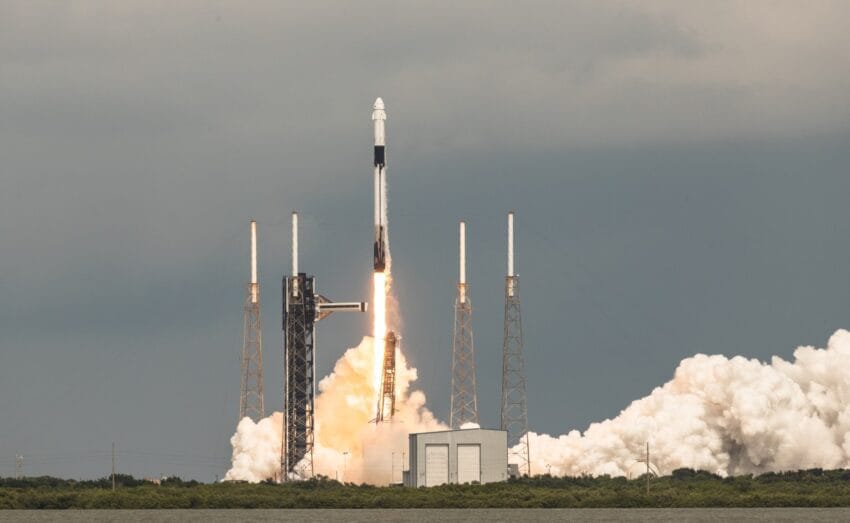
spacex gets a green light to more SpaceX has received approval to significantly increase its launch operations from Florida, nearly tripling the number of Falcon 9 missions planned for the near future.
spacex gets a green light to more
Background on SpaceX and Falcon 9
Founded in 2002 by Elon Musk, SpaceX has rapidly evolved into a leading player in the aerospace industry. The company’s primary goal is to reduce space transportation costs and enable the colonization of Mars. One of its most successful vehicles, the Falcon 9, has been pivotal in achieving these objectives. The Falcon 9 is a two-stage rocket designed for the reliable and safe transport of satellites and the Dragon spacecraft into orbit.
Since its first flight in 2010, the Falcon 9 has undergone numerous upgrades and iterations, leading to increased payload capacity and reliability. The rocket has become the backbone of SpaceX’s launch services, catering to a diverse range of customers, including government agencies, commercial enterprises, and international organizations.
Recent Developments in Launch Operations
The recent approval allows SpaceX to expand its launch capacity from Cape Canaveral Space Force Station and the Kennedy Space Center. This decision comes at a time when the demand for satellite launches is surging, driven by the increasing need for global connectivity, Earth observation, and scientific research.
Previously, SpaceX was limited in the number of launches it could conduct from Florida due to regulatory constraints and environmental considerations. The new green light not only addresses these limitations but also reflects the growing confidence in SpaceX’s operational capabilities and safety protocols.
Details of the Approval
The approval, granted by the Federal Aviation Administration (FAA), allows SpaceX to increase its launch cadence significantly. The company plans to ramp up its Falcon 9 launches from approximately 40 to over 100 per year from its Florida facilities. This expansion is expected to facilitate a more robust schedule for missions, including satellite deployments, resupply missions to the International Space Station (ISS), and crewed flights.
SpaceX has been proactive in addressing environmental concerns associated with increased launch activities. The company has conducted extensive assessments to evaluate the potential impacts on local wildlife and ecosystems. These assessments have played a crucial role in securing the necessary approvals from regulatory bodies.
Implications of Increased Launch Capacity
The decision to allow more launches from Florida has several implications for SpaceX, the aerospace industry, and the broader space economy.
Impact on SpaceX’s Business Model
With the ability to conduct more launches, SpaceX can enhance its revenue streams. The company has already established itself as a cost-effective launch provider, and increasing its launch frequency will likely attract more customers. This is particularly relevant as commercial satellite operators seek to deploy large constellations of satellites for services such as broadband internet and Earth observation.
Moreover, the increased launch capacity aligns with SpaceX’s long-term goals, including the development of the Starship vehicle, which is intended for missions beyond Earth orbit. The revenue generated from Falcon 9 launches can be reinvested into the development of Starship and other ambitious projects.
Broader Industry Impact
The expansion of SpaceX’s launch operations is likely to have ripple effects across the aerospace industry. As SpaceX increases its launch frequency, competitors may feel pressure to enhance their own capabilities. This could lead to a more competitive landscape, driving innovation and potentially lowering launch costs across the board.
Additionally, the increased availability of launch slots may encourage more startups and established companies to enter the space sector. As the barriers to entry lower, we may see a surge in new satellite technologies and applications, further fueling the growth of the space economy.
Environmental Considerations
While the approval for increased launches is a significant milestone for SpaceX, it also raises questions about the environmental impact of such activities. The company has committed to conducting thorough environmental assessments and implementing measures to mitigate any negative effects. These measures may include monitoring wildlife populations, minimizing noise pollution, and ensuring compliance with regulations designed to protect local ecosystems.
As the frequency of launches increases, it will be crucial for SpaceX to maintain transparency with the public and stakeholders regarding its environmental practices. This will help build trust and demonstrate the company’s commitment to responsible operations.
Stakeholder Reactions
The announcement of increased launch capacity has garnered a range of reactions from various stakeholders in the aerospace community.
Government Officials
Local and state officials have expressed support for SpaceX’s expansion plans, highlighting the potential economic benefits for the region. Increased launch activity is expected to create jobs, stimulate local businesses, and enhance Florida’s reputation as a hub for aerospace innovation. The state’s economy has already seen positive impacts from SpaceX’s presence, and further expansion could amplify these benefits.
Industry Experts
Industry analysts have noted that SpaceX’s ability to increase its launch cadence is a testament to its operational efficiency and technological advancements. Experts believe that this move will solidify SpaceX’s position as a leader in the commercial launch market, especially as demand for satellite launches continues to grow.
Environmental Advocates
Conversely, environmental advocates have raised concerns about the potential impacts of increased launch activities on local ecosystems. They emphasize the need for rigorous environmental assessments and ongoing monitoring to ensure that wildlife and natural habitats are protected. These advocates are calling for transparency from SpaceX regarding its environmental practices and the measures it will implement to mitigate any negative effects.
Future Prospects for SpaceX
Looking ahead, SpaceX’s ability to nearly triple its launch capacity from Florida positions the company for significant growth. As the demand for satellite launches continues to rise, SpaceX is well-positioned to meet this demand while also advancing its long-term goals.
The upcoming years will likely see an increase in the number of missions, including those related to the Starlink project, which aims to provide global internet coverage through a constellation of satellites. Additionally, SpaceX’s role in NASA’s Artemis program, which aims to return humans to the Moon, will further enhance its prominence in the space industry.
Challenges Ahead
Despite the positive outlook, SpaceX will face challenges as it scales its operations. Ensuring safety and reliability will remain paramount, especially as the company increases its launch frequency. Any incidents or delays could impact customer confidence and the company’s reputation.
Furthermore, as SpaceX expands, it must navigate regulatory frameworks and maintain compliance with environmental standards. Balancing growth with responsible practices will be essential for the company’s long-term success.
Conclusion
SpaceX’s recent approval to nearly triple its Falcon 9 launches from Florida marks a significant milestone in the company’s journey. This expansion not only reflects the growing demand for satellite launches but also positions SpaceX for future growth and innovation. As the company moves forward, it will be crucial to address environmental concerns and maintain transparency with stakeholders. The next few years will be pivotal for SpaceX as it continues to redefine the boundaries of space exploration and commercial launch services.
Source: Original report
Was this helpful?
Explore more: DevOps Services More Cloud & DevOps Tech News
Last Modified: September 8, 2025 at 6:33 pm
7 views