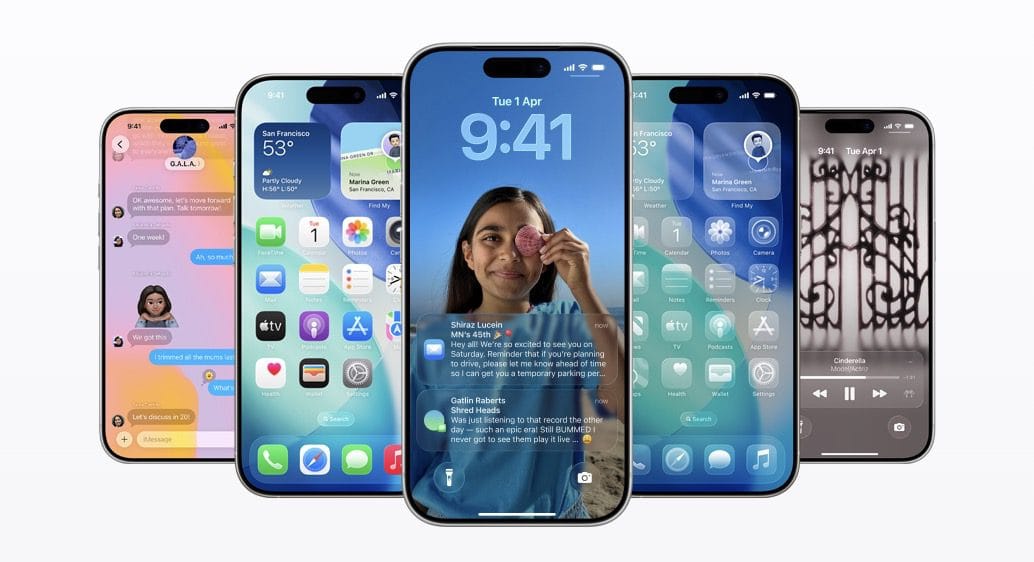
snap unveils snap os 2 0 with Snap Inc. has officially introduced Snap OS 2.0, a significant upgrade that includes a native browser and support for WebXR, among other features.
snap unveils snap os 2 0 with
Overview of Snap OS 2.0
Snap OS 2.0 represents a pivotal evolution in Snap Inc.’s software ecosystem, designed to enhance the user experience across its augmented reality (AR) platforms. The introduction of a native browser is a noteworthy feature, allowing users to access web content directly within the Snap ecosystem. This move is expected to streamline user interactions and provide a more integrated experience for developers and consumers alike.
Key Features of Snap OS 2.0
Snap OS 2.0 introduces several key features that aim to enhance functionality and user engagement:
- Native Browser: The inclusion of a native browser enables users to browse the internet without leaving the Snap environment. This feature is anticipated to facilitate easier access to web-based applications and content, thereby enriching the overall user experience.
- WebXR Support: With the integration of WebXR, Snap OS 2.0 allows developers to create immersive AR and virtual reality experiences that can be accessed through web browsers. This opens up new avenues for interactive content and applications, making it easier for users to engage with AR experiences.
- Enhanced Developer Tools: The update includes improved tools for developers, allowing for more efficient creation and deployment of AR applications. These tools are expected to lower the barrier to entry for new developers, fostering innovation within the Snap ecosystem.
- User Interface Improvements: Snap OS 2.0 features a refined user interface that enhances navigation and usability. These improvements are designed to make the platform more intuitive, catering to both seasoned users and newcomers.
Context and Background
The launch of Snap OS 2.0 comes on the heels of Snap Inc.’s ongoing efforts to solidify its position in the competitive landscape of AR technology. Last year, the company released its fifth-generation Snap Spectacles, which were targeted primarily at developers. These glasses were designed to provide a platform for creating and testing AR applications, showcasing Snap’s commitment to fostering a robust developer community.
Looking ahead, Snap Inc. plans to release a consumer version of the Snap Spectacles in 2026. This upcoming product is expected to leverage the capabilities of Snap OS 2.0, providing users with a more immersive and interactive experience. The integration of a native browser and WebXR support will likely play a crucial role in how consumers interact with AR content in the future.
Implications for Developers
The introduction of Snap OS 2.0 is poised to have significant implications for developers working within the Snap ecosystem. By providing enhanced tools and support for WebXR, Snap Inc. is encouraging developers to create more engaging and interactive content. This could lead to a surge in innovative applications that utilize AR technology, further expanding the possibilities for user engagement.
Moreover, the native browser feature is likely to attract a broader range of developers who may have previously been hesitant to engage with the Snap platform. By simplifying access to web-based applications, Snap OS 2.0 could facilitate the development of a diverse array of AR experiences that cater to various user interests and needs.
Stakeholder Reactions
The announcement of Snap OS 2.0 has garnered attention from various stakeholders, including developers, industry analysts, and consumers. Many developers have expressed enthusiasm about the new features, particularly the native browser and WebXR support. These additions are seen as critical for enhancing the functionality of AR applications and making the development process more accessible.
Industry analysts have noted that Snap Inc.’s focus on improving its software ecosystem is a strategic move to differentiate itself from competitors like Meta and Apple, both of which have made significant investments in AR technology. By enhancing its platform, Snap Inc. aims to attract a larger share of the developer market and solidify its standing as a leader in the AR space.
Consumers, on the other hand, are eagerly anticipating the release of the consumer version of Snap Spectacles. The integration of Snap OS 2.0 features is expected to enhance the user experience significantly, making AR content more accessible and engaging. As AR technology becomes increasingly mainstream, the success of Snap’s consumer offerings will depend on how well they can leverage the capabilities of Snap OS 2.0.
Comparative Analysis with Competitors
In the competitive landscape of AR technology, Snap Inc. faces challenges from major players such as Meta and Apple. Both companies have invested heavily in AR and VR technologies, creating robust ecosystems that attract developers and consumers alike. Snap OS 2.0’s introduction of a native browser and WebXR support positions it as a strong contender in this arena.
Meta, for instance, has focused on creating a comprehensive AR and VR ecosystem through its Oculus platform and various social media integrations. The company’s approach emphasizes social interaction and community engagement, which has proven effective in attracting users. However, Snap’s unique focus on AR experiences tailored for mobile devices may offer distinct advantages, particularly among younger audiences.
Apple, on the other hand, has been working on its own AR initiatives, including the anticipated release of AR glasses. Apple’s ecosystem is known for its seamless integration across devices, which could pose a challenge for Snap. However, Snap’s early entry into the AR space and its commitment to developer support may provide it with a competitive edge.
Future Prospects
The future of Snap OS 2.0 and its associated products appears promising, particularly as the demand for AR technology continues to grow. The integration of a native browser and WebXR support is expected to drive innovation within the Snap ecosystem, attracting new developers and enhancing user engagement.
As Snap Inc. prepares to launch the consumer version of Snap Spectacles in 2026, the company will need to ensure that its offerings remain competitive and appealing to users. The success of Snap OS 2.0 will largely depend on how effectively it can facilitate the creation of engaging AR content and provide a seamless user experience.
Conclusion
Snap OS 2.0 marks a significant milestone for Snap Inc., reflecting the company’s commitment to advancing its AR technology and enhancing user experiences. With the introduction of a native browser and WebXR support, Snap is well-positioned to foster innovation within its developer community and attract a broader consumer base. As the AR landscape continues to evolve, Snap’s strategic initiatives will play a crucial role in shaping the future of augmented reality.
Source: Original report
Was this helpful?
Explore more: More Consumer Technology Tech News Blog
Last Modified: September 16, 2025 at 1:45 am
12 views