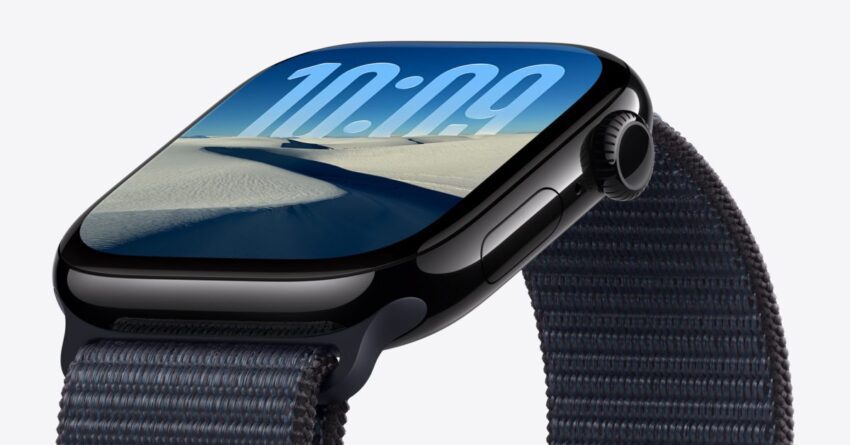
should you buy a cellular apple watch As consumers weigh the benefits of various Apple Watch models, the decision to invest in a cellular version presents both advantages and considerations.
should you buy a cellular apple watch
Understanding the Apple Watch Lineup
The Apple Watch lineup offers a diverse range of options tailored to different user preferences. Buyers can choose from various case materials, colors, sizes, and features, making it essential to assess individual needs before making a purchase. Among these options, the choice between a GPS-only model and a cellular-enabled version is particularly significant.
What is Cellular Connectivity?
A cellular Apple Watch allows users to stay connected without needing to carry their iPhone. This feature enables users to make calls, send texts, stream music, and receive notifications directly from their wrist. The cellular capability is powered by an embedded eSIM, which connects to a mobile network, allowing the watch to function independently of the paired iPhone.
Benefits of Cellular Connectivity
Investing in a cellular Apple Watch can provide several key benefits:
- Independence from iPhone: One of the most appealing aspects of a cellular Apple Watch is the freedom it offers. Users can leave their iPhone behind while still being reachable, making it ideal for activities like running, hiking, or going to the gym.
- Enhanced Communication: With cellular connectivity, users can make and receive calls and send messages without needing their iPhone nearby. This feature is particularly useful in situations where carrying a phone is impractical.
- Streaming Music: Cellular models allow users to stream music directly from services like Apple Music, even when away from Wi-Fi. This is beneficial for those who enjoy listening to music during workouts or outdoor activities.
- Emergency Features: The cellular Apple Watch includes emergency SOS features that can be activated even when the paired iPhone is not present. This can be a crucial safety feature in emergencies.
Considerations Before Buying
While the cellular Apple Watch offers various advantages, there are important considerations to keep in mind:
- Cost: Cellular models are generally more expensive than their GPS-only counterparts. Additionally, users must factor in the ongoing cost of a cellular plan, which may add to the overall expense.
- Battery Life: Cellular connectivity can drain the battery more quickly than GPS-only models. Users should consider their usage patterns and whether they are comfortable with potentially needing to charge their watch more frequently.
- Coverage and Compatibility: Not all cellular networks support the Apple Watch. Prospective buyers should verify that their carrier offers compatibility with the device and assess the coverage in their area.
- Use Case: Consider how often you will actually use the cellular features. If you primarily use your Apple Watch in conjunction with your iPhone, a GPS-only model may suffice.
Comparing GPS and Cellular Models
To make an informed decision, it is crucial to compare the features and functionalities of GPS-only and cellular models. Here’s a breakdown of the key differences:
Price
The price difference between GPS and cellular models can be significant. Cellular models typically start at a higher price point, reflecting the added technology and capabilities. Additionally, users should consider the monthly fees associated with adding the watch to their cellular plan, which can range from $10 to $15 per month, depending on the carrier.
Functionality
While both models share many core features, such as fitness tracking, heart rate monitoring, and access to apps, the cellular model stands out in terms of connectivity. Users can receive notifications, make calls, and send messages without needing their iPhone nearby, which is not possible with GPS-only models.
Battery Life
Battery life is another critical factor. GPS-only models generally offer longer battery life, as they do not need to maintain a cellular connection. Users who prioritize battery longevity may find the GPS model more appealing, especially if they engage in activities that require extended use of the watch.
Who Should Consider a Cellular Apple Watch?
The decision to purchase a cellular Apple Watch largely depends on individual lifestyle and usage patterns. Here are some scenarios where a cellular model may be particularly beneficial:
- Active Lifestyles: For individuals who enjoy outdoor activities, such as running or cycling, a cellular watch allows them to stay connected without carrying a phone. This can enhance safety and convenience.
- Frequent Travelers: Those who travel often may find value in a cellular model, as it allows them to stay connected in different locations without relying on Wi-Fi or their phone.
- Minimalist Approach: Users who prefer to carry less while on the go may appreciate the independence a cellular watch provides, allowing them to leave their phone behind during errands or workouts.
Stakeholder Reactions
The introduction of cellular capabilities in the Apple Watch has garnered mixed reactions from consumers and industry experts alike. Some users praise the convenience and freedom it offers, while others express concerns about the additional costs and battery life implications.
Consumer Feedback
Many consumers who have opted for the cellular version appreciate the ability to stay connected during activities where carrying a phone is cumbersome. Users have reported feeling more secure knowing they can access emergency services or communicate with others without their phone. However, some users have noted that the monthly fees can be a deterrent, particularly if they do not use the cellular features frequently.
Industry Expert Opinions
Industry analysts have highlighted the growing trend of wearables incorporating cellular technology. They argue that as consumers increasingly seek devices that offer more independence from smartphones, cellular models will likely become more popular. However, experts also caution that the additional costs and battery life concerns may limit widespread adoption among budget-conscious consumers.
Conclusion: Is a Cellular Apple Watch Worth It?
Ultimately, the decision to purchase a cellular Apple Watch hinges on personal preferences and lifestyle needs. While the cellular model offers significant advantages in terms of connectivity and independence, it also comes with higher costs and potential battery life trade-offs. Prospective buyers should carefully evaluate their usage patterns, budget, and the specific features they value most in a smartwatch.
For those who prioritize staying connected while on the move and are willing to invest in the additional costs, a cellular Apple Watch can be a worthwhile purchase. Conversely, users who primarily use their watch in conjunction with their iPhone may find that a GPS-only model meets their needs effectively.
Source: Original report
Was this helpful?
Explore more: More Consumer Technology Tech News Blog
Last Modified: December 18, 2025 at 10:55 am
56 views