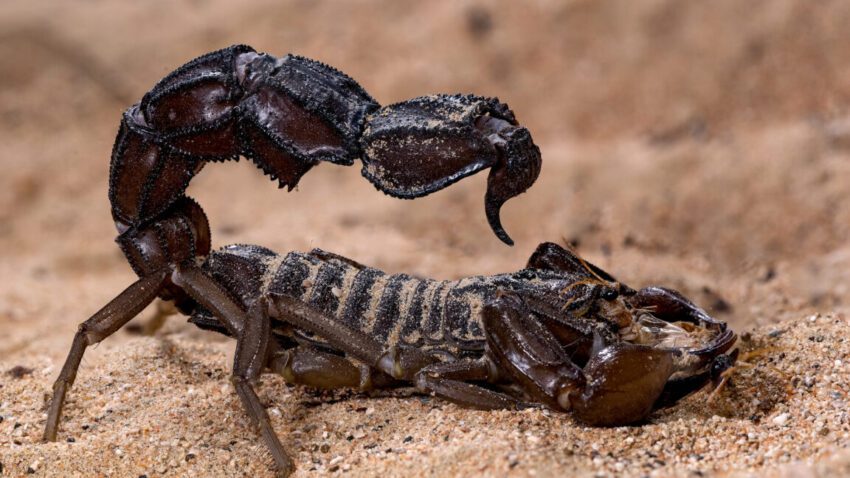
scorpions go terminator mode and reinforce their Recent research has revealed that scorpions possess a remarkable ability to incorporate metals into their physical structures, enhancing their predatory capabilities.
scorpions go terminator mode and reinforce their
Understanding Scorpion Anatomy
Scorpions are fascinating creatures known for their predatory nature and distinctive anatomy. They are equipped with dual front pincers, scientifically referred to as chelae or pedipalp appendages, and a venom-injecting telson, commonly known as a stinger, located at the posterior end of their tails. These features are not only essential for hunting and defense but also contribute to the scorpion’s overall survival in various environments.
The pincers serve multiple functions, including grasping prey, defending against predators, and engaging in mating rituals. The venomous stinger, on the other hand, is primarily used to immobilize prey and deter threats. The combination of these anatomical features makes scorpions formidable predators in their ecosystems.
The Role of Metals in Scorpion Physiology
While scorpions are already equipped with dangerous-looking appendages, a recent chemical examination has unveiled an intriguing aspect of their biology: the presence of metals such as zinc, manganese, and iron within their structures. This discovery raises important questions about the evolutionary significance of these metals in scorpion physiology.
Historical Context of Metal Presence
The knowledge of metals being present in scorpions is not entirely new. According to Sam Campbell, a biologist at the University of Queensland, Australia, this phenomenon has been recognized since the 1990s. However, the underlying reasons for the presence of these metals remained unclear. Researchers were left wondering whether scorpions had evolved to incorporate these metals into their bodies or if they were merely absorbing them from their environment.
Research Methodology
To investigate this question, Campbell and his colleagues undertook a comprehensive study examining how metals are distributed across the stingers and pincers of various scorpion species. The research aimed to determine whether the accumulation of metals was a deliberate evolutionary adaptation or an incidental occurrence.
The team employed advanced chemical analysis techniques to assess the metal content in the scorpions’ appendages. By analyzing samples from different species, they aimed to identify patterns in metal distribution and understand the potential evolutionary advantages conferred by this unique trait.
Key Findings
The findings of the study, published in the Journal of The Royal Society Interface, indicate that the presence of metals in scorpions is not accidental. The researchers discovered that the metals are strategically distributed within the stingers and pincers, suggesting an evolutionary adaptation that enhances the scorpions’ predatory capabilities.
For instance, the incorporation of metals like zinc and iron may contribute to the strength and durability of the pincers, allowing scorpions to grasp and hold onto their prey more effectively. Additionally, the presence of these metals could play a role in the functionality of the venom, potentially enhancing its potency or effectiveness in immobilizing prey.
Implications of Metal Reinforcement
The implications of this research extend beyond mere curiosity about scorpion biology. Understanding how scorpions have evolved to incorporate metals into their anatomy could provide valuable insights into evolutionary biology and the adaptive strategies of other organisms.
Evolutionary Significance
The ability to utilize metals for structural reinforcement may not be unique to scorpions. Other organisms in various ecosystems could also exhibit similar adaptations. This research opens the door for further investigations into how different species have evolved to use available resources in their environments to enhance their survival and reproductive success.
Potential Applications
Moreover, the findings could have practical applications in fields such as biomimicry and materials science. By studying how scorpions and potentially other organisms incorporate metals into their bodies, researchers may uncover innovative ways to develop new materials or enhance existing ones. For example, understanding the mechanisms behind metal incorporation could lead to advancements in creating stronger, more durable materials for various applications.
Stakeholder Reactions
The research has garnered attention from various stakeholders, including biologists, ecologists, and materials scientists. Many in the scientific community have expressed enthusiasm about the findings, highlighting the importance of interdisciplinary collaboration in understanding complex biological phenomena.
“This research sheds light on the intricate relationship between organisms and their environments,” said Dr. Emily Tran, an ecologist specializing in evolutionary adaptations. “It emphasizes the need to explore how species interact with their surroundings and utilize available resources for their benefit.”
Future Research Directions
As the study opens up new avenues for exploration, researchers are eager to delve deeper into the evolutionary implications of metal incorporation in scorpions and other organisms. Future research may focus on:
- Investigating the specific mechanisms through which scorpions absorb and incorporate metals from their environment.
- Examining the evolutionary history of scorpions to understand how these adaptations have developed over time.
- Exploring the potential for similar adaptations in other arthropods and organisms.
- Assessing the ecological impacts of metal incorporation on scorpion behavior and interactions with other species.
Conclusion
The discovery that scorpions reinforce their weapons with metals such as zinc, manganese, and iron adds a fascinating layer to our understanding of these ancient creatures. The research conducted by Sam Campbell and his colleagues not only clarifies the evolutionary significance of metal presence in scorpions but also highlights the broader implications for evolutionary biology and materials science.
As scientists continue to unravel the complexities of scorpion biology, the potential applications of these findings could extend far beyond the realm of biology, influencing various fields and inspiring innovative solutions to contemporary challenges.
Source: Original report
Was this helpful?
Explore more: More General Technology Tech News Blog
Last Modified: May 1, 2026 at 10:35 pm
12 views