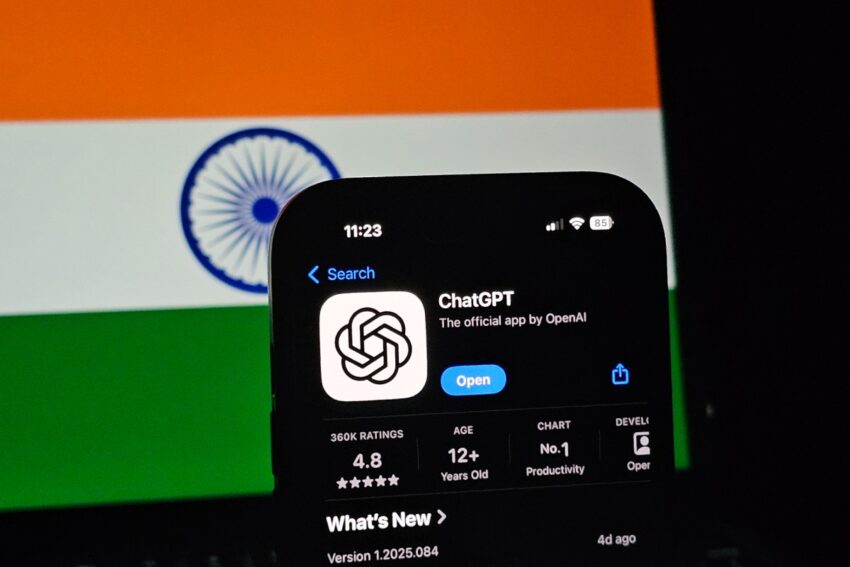
chatgpt images 2 0 is a hit ChatGPT Images 2.0 has gained significant traction in India, where users are leveraging the platform for a variety of creative and personal visual needs.
chatgpt images 2 0 is a hit
Introduction to ChatGPT Images 2.0
Launched as an enhancement to the original ChatGPT Images, the 2.0 version aims to provide users with more advanced capabilities for generating images. This iteration includes improved algorithms, a broader range of styles, and enhanced user interface features that make the process of creating images more intuitive. The tool is designed to cater to a wide array of visual content requirements, from simple avatars to complex cinematic portraits.
Popularity in India
In recent months, India has emerged as a key market for ChatGPT Images 2.0. Users in the country have embraced the platform for various applications, including:
- Creative Projects: Artists and designers are using the tool to generate unique visuals that complement their work.
- Personal Use: Individuals are creating custom avatars for social media profiles, enhancing their online presence.
- Marketing and Branding: Small businesses are leveraging the platform to produce eye-catching promotional materials.
Creative Applications
One of the standout features of ChatGPT Images 2.0 is its ability to generate high-quality images tailored to specific creative needs. Artists have reported that the platform allows them to experiment with styles and concepts that may have been difficult or time-consuming to achieve through traditional means. This has led to a surge in innovative projects, as users can quickly iterate on their ideas without the constraints of manual design.
Personalization and Avatars
Personalization is a significant trend in digital communication, and ChatGPT Images 2.0 caters to this demand effectively. Users can create customized avatars that reflect their personality or brand identity. The ease of generating these images has made it particularly appealing for younger demographics, who often seek unique representations of themselves online. This trend has been bolstered by the rise of social media platforms where visually striking profiles can attract more engagement.
Small Business Marketing
For small businesses in India, the ability to produce high-quality visuals quickly and affordably is a game-changer. Many entrepreneurs are utilizing ChatGPT Images 2.0 to create promotional graphics, social media posts, and even product images. This has democratized access to professional-grade marketing materials, allowing smaller players to compete more effectively with larger companies. The platform’s user-friendly interface means that even those without extensive design experience can produce compelling visuals.
Comparative Performance in Other Markets
While ChatGPT Images 2.0 has found a receptive audience in India, its performance in other regions has been less impressive. Users in markets such as North America and Europe have shown a more cautious approach to adopting the platform. Several factors contribute to this disparity:
- Market Saturation: In regions where numerous image generation tools already exist, users may be hesitant to switch to a new platform.
- Feature Expectations: Users in these markets often have higher expectations regarding functionality and may find ChatGPT Images 2.0 lacking in certain areas.
- Pricing Models: The cost associated with premium features may deter potential users in more price-sensitive markets.
User Expectations and Feedback
Feedback from users in regions outside India has highlighted some common concerns. Many users expect advanced features such as:
- Greater Customization: Users desire more control over the image generation process, including the ability to fine-tune specific elements.
- Integration with Other Tools: The ability to seamlessly integrate with existing design software or social media platforms is a significant consideration.
- Quality Consistency: Users have reported inconsistencies in image quality, which can be a dealbreaker for professional applications.
Market Dynamics and Competition
The competitive landscape for image generation tools is rapidly evolving. Established players like Adobe and Canva have robust offerings that cater to both casual users and professionals. These platforms have built strong brand loyalty and offer comprehensive features that may overshadow newer entrants like ChatGPT Images 2.0. Additionally, the rise of AI-driven tools has led to a proliferation of options, making it challenging for any single platform to dominate the market.
Implications for the Future
The success of ChatGPT Images 2.0 in India raises important questions about the future of AI-driven image generation. As the platform continues to evolve, it will need to address the concerns raised by users in other markets to expand its global footprint. Potential strategies could include:
- Enhancing Features: Continuous improvement of the platform’s capabilities to meet user expectations.
- Localized Marketing: Tailoring marketing strategies to resonate with different cultural contexts and user needs.
- Partnerships: Collaborating with other software providers to enhance integration and functionality.
Stakeholder Reactions
Reactions from various stakeholders have been mixed. While users in India express enthusiasm for the platform, industry analysts caution that the tool must evolve to maintain its relevance. Some experts suggest that the focus should be on building a community around the platform, encouraging users to share their creations and provide feedback. This could foster a sense of ownership and loyalty among users, which is crucial for long-term success.
Conclusion
ChatGPT Images 2.0 has made a notable impact in India, where users are leveraging its capabilities for creative and personal projects. However, its performance in other markets remains subdued, highlighting the challenges it faces in a competitive landscape. As the platform continues to develop, addressing user feedback and enhancing its features will be essential for expanding its global reach. The future of AI-driven image generation is promising, but it will require ongoing innovation and adaptation to meet the diverse needs of users worldwide.
Source: Original report
Was this helpful?
Explore more: AI Automation Services More AI & Automation Tech News
Last Modified: May 1, 2026 at 11:36 am
8 views