scarlet turns shakespeare into an animated fantasy The Toronto International Film Festival (TIFF) has once again showcased a diverse array of cinematic talent, with one of the standout films being “Scarlet,” directed by acclaimed filmmaker Mamoru Hosoda.
scarlet turns shakespeare into an animated fantasy
Overview of “Scarlet”
“Scarlet” marks a significant addition to Hosoda’s filmography, following his previous work, “Belle,” which was a modern reimagining of the classic tale “Beauty and the Beast.” In “Scarlet,” Hosoda takes on Shakespeare’s iconic tragedy “Hamlet,” infusing it with his unique artistic vision and innovative storytelling techniques. The film is described as an animated fantasy epic that not only pays homage to its literary roots but also explores contemporary themes through a fresh lens.
Plot Summary
The narrative of “Scarlet” revolves around the familiar themes of betrayal, revenge, and existential contemplation that are central to “Hamlet.” However, Hosoda’s adaptation introduces a fantastical element that transforms the story into a vibrant animated experience. The protagonist, much like Hamlet, grapples with the complexities of grief and moral ambiguity, but the setting and characters are reimagined in a way that breathes new life into the classic tale.
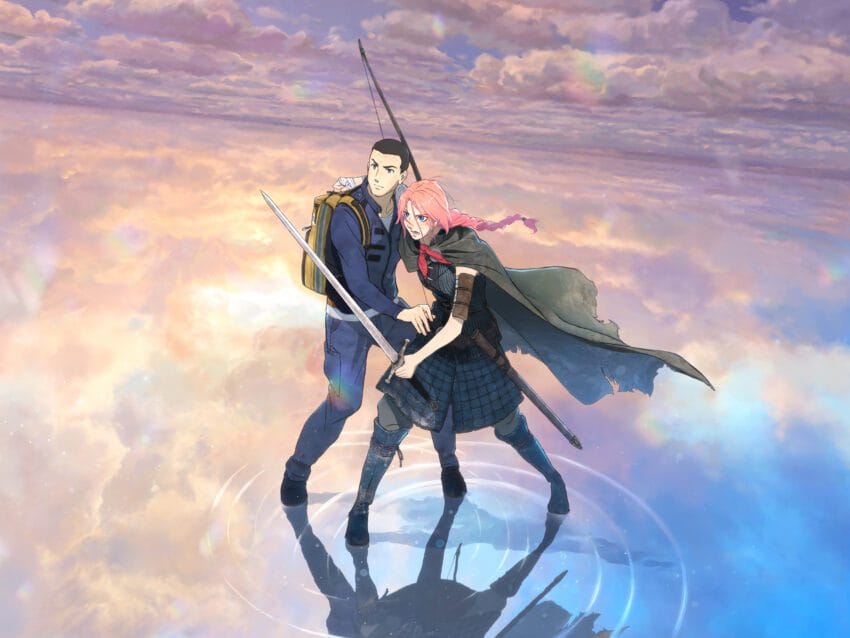
In this version, the characters are not confined to the traditional Danish royal court but are instead placed in a richly detailed fantasy world that allows for greater creative expression. The animation style is visually stunning, characterized by lush landscapes and intricate character designs that draw viewers into this reimagined universe.
Thematic Exploration
One of the most compelling aspects of “Scarlet” is its exploration of themes that resonate with modern audiences. The film delves into the nature of identity, the impact of loss, and the struggle for justice in a world filled with moral ambiguity. Hosoda’s choice to adapt “Hamlet” is particularly poignant, as the themes of the original play remain relevant in today’s context, where questions of loyalty and truth are ever-present.
Moreover, the film addresses the concept of legacy and how the past shapes the present. As the characters navigate their personal conflicts, viewers are invited to reflect on their own experiences with grief and the complexities of human relationships. This thematic depth is enhanced by Hosoda’s signature storytelling style, which balances emotional weight with moments of levity and wonder.
Visual and Artistic Style
Visually, “Scarlet” stands out as a testament to Hosoda’s prowess in animation. The film employs a vibrant color palette and fluid animation techniques that create a dreamlike quality. Each frame is meticulously crafted, showcasing the attention to detail that has become a hallmark of Hosoda’s work. The animation not only serves to enhance the storytelling but also immerses the audience in the emotional landscape of the characters.
The character designs are particularly noteworthy, as they reflect the personalities and inner struggles of the protagonists. The use of expressive facial animations and body language adds depth to the characters, allowing viewers to connect with their journeys on a more intimate level. This artistic approach is complemented by a carefully curated soundtrack that underscores the emotional beats of the narrative, further enriching the viewing experience.
Reception at TIFF
<p"Scarlet" premiered at the Toronto International Film Festival to a warm reception from audiences and critics alike. Many praised Hosoda's ability to blend traditional storytelling with innovative animation techniques, creating a film that feels both timeless and contemporary. The film's emotional resonance struck a chord with viewers, who appreciated its exploration of complex themes through the lens of fantasy.
However, some critics noted that while the film excels in many areas, it is somewhat hampered by its ending. The conclusion, which is crucial in any adaptation of “Hamlet,” has been described as not fully aligning with the rest of the film’s narrative arc. This has led to mixed feelings among viewers, as the ending may leave some audiences wanting more resolution or clarity regarding the characters’ fates.
Comparative Analysis with “Belle”
Comparing “Scarlet” to Hosoda’s previous film, “Belle,” reveals a fascinating evolution in his storytelling approach. While “Belle” explored themes of identity and self-discovery within the context of the digital age, “Scarlet” takes a more introspective route, focusing on the emotional turmoil of its characters. Both films, however, share a commitment to pushing the boundaries of animation and storytelling.
In “Belle,” the vibrant digital world serves as a backdrop for exploring modern social issues, while “Scarlet” uses its fantastical setting to delve into timeless human experiences. This shift in focus demonstrates Hosoda’s versatility as a filmmaker and his ability to adapt classic narratives for contemporary audiences.
Implications for Animation and Storytelling
The success of “Scarlet” at TIFF highlights the growing trend of adapting classic literature into animated formats. As audiences become more receptive to innovative storytelling methods, filmmakers are increasingly drawn to the potential of animation to convey complex narratives. This trend not only allows for creative reinterpretations of well-known stories but also opens the door for diverse voices and perspectives within the animation industry.
Furthermore, “Scarlet” exemplifies the potential of animation to tackle serious themes in a way that is accessible to a wide audience. By merging fantasy with profound emotional exploration, Hosoda demonstrates that animated films can engage with complex topics while still appealing to viewers of all ages. This approach challenges the traditional perception of animation as solely a medium for children’s entertainment, paving the way for more sophisticated narratives in the genre.
Stakeholder Reactions
The film’s reception has sparked discussions among industry stakeholders regarding the future of animated adaptations. Critics and audiences alike have expressed enthusiasm for the potential of animated films to reinterpret classic literature, suggesting that this trend could lead to a renaissance in the genre. Filmmakers, producers, and animators are likely to take note of “Scarlet’s” success, potentially inspiring more projects that blend literary classics with innovative animation techniques.
Moreover, the film’s exploration of universal themes has resonated with audiences, prompting conversations about the role of storytelling in addressing contemporary issues. As viewers engage with the emotional depth of “Scarlet,” it becomes evident that animation can serve as a powerful medium for reflection and dialogue, encouraging a deeper understanding of the human experience.
Conclusion
“Scarlet” stands as a testament to Mamoru Hosoda’s artistic vision and his ability to breathe new life into classic narratives. While the film may face some criticism regarding its ending, its strengths lie in its rich thematic exploration, stunning visuals, and emotional resonance. As audiences continue to embrace innovative storytelling in animation, “Scarlet” serves as a shining example of the potential for animated films to engage with timeless themes in a contemporary context.
As the film continues to make waves in the festival circuit, it will be interesting to see how it influences future projects within the animation industry. With its bold ideas and creative execution, “Scarlet” not only honors Shakespeare’s legacy but also paves the way for a new era of animated storytelling that captivates and inspires audiences around the world.
Source: Original report
Was this helpful?
Explore more: More General Technology Tech News Blog
Last Modified: September 14, 2025 at 7:36 pm
23 views