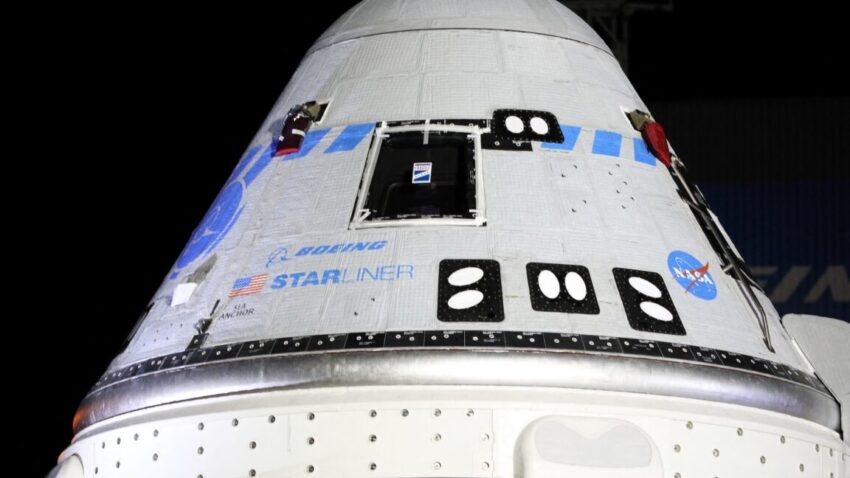
safety panel says nasa should have taken A recent safety advisory panel has concluded that NASA underestimated the severity of issues surrounding Boeing’s Starliner spacecraft during its critical first Crew Test Flight.
safety panel says nasa should have taken
Background of the Starliner Program
The Boeing Starliner spacecraft is a key component of NASA’s Commercial Crew Program, which aims to transport astronauts to and from the International Space Station (ISS). Developed as part of a public-private partnership, the Starliner was intended to provide a reliable and cost-effective means of crew transportation, reducing reliance on foreign spacecraft. However, the program has faced numerous challenges since its inception.
After more than a decade of development, the Starliner finally achieved a significant milestone in June 2024 when it successfully transported NASA astronauts Butch Wilmore and Suni Williams to the ISS. This mission marked the first time humans flew aboard the Starliner, a moment that was both eagerly anticipated and fraught with tension due to the spacecraft’s troubled history.
The Crew Test Flight: A Historic Yet Troubling Mission
The Crew Test Flight was initially designed to last one to two weeks, allowing the astronauts to conduct various experiments and tests aboard the ISS. However, due to unexpected complications, the mission extended to an unprecedented nine months. NASA officials determined that returning the astronauts to Earth in the Starliner was too risky, prompting them to wait until a safer option became available.
Ultimately, Wilmore and Williams returned to Earth in March 2025 aboard a SpaceX Dragon spacecraft, highlighting the ongoing challenges faced by Boeing’s Starliner program. The decision to keep the astronauts in orbit for an extended period raised questions about the safety protocols and risk assessments conducted by NASA and Boeing.
Technical Challenges Faced by Starliner
During its journey to the ISS, the Starliner encountered significant technical issues, particularly with its maneuvering thrusters. These thrusters are essential for controlling the spacecraft’s movements during docking and other critical phases of flight. Reports indicate that some of the thrusters overheated, leading to a temporary loss of control for Commander Wilmore as he attempted to dock with the ISS.
Additionally, the spacecraft experienced helium leaks, which further complicated its operations. These issues not only posed risks to the mission but also raised concerns about the overall reliability of the Starliner system. Engineers were able to recover most of the thruster functions, allowing the spacecraft to successfully dock with the ISS, but the incident highlighted the need for a more thorough assessment of the spacecraft’s capabilities and safety measures.
Findings of the Safety Advisory Panel
The safety advisory panel’s findings have sparked significant discussion within the aerospace community. The panel concluded that NASA should have taken the Starliner incident more seriously, emphasizing that the uncertainty surrounding the spacecraft’s technical problems permeated the agency’s workforce. This lack of clarity may have contributed to the decision-making processes that ultimately allowed the mission to proceed despite the known risks.
One of the panel’s key observations was that the communication between Boeing and NASA regarding the spacecraft’s issues was insufficient. The panel noted that employees at NASA were not fully aware of the severity of the problems, which could have influenced their assessments of the mission’s safety. This gap in communication raises important questions about how information is shared between contractors and government agencies in high-stakes environments.
Implications for Future Missions
The findings of the safety advisory panel have significant implications for future missions involving the Starliner and other spacecraft under NASA’s Commercial Crew Program. The panel’s recommendations emphasize the need for improved communication and transparency between NASA and its contractors, particularly when it comes to safety-related issues. Ensuring that all stakeholders are informed about potential risks is crucial for maintaining the integrity of human spaceflight missions.
Moreover, the panel’s findings may lead to a reassessment of the risk management protocols currently in place. As space missions become increasingly complex, the ability to accurately evaluate and respond to technical challenges is paramount. The Starliner incident serves as a reminder that even well-established programs can encounter unforeseen difficulties, necessitating a proactive approach to safety and risk assessment.
Stakeholder Reactions
The reactions to the safety panel’s findings have been mixed, with some stakeholders expressing concern over the implications for the Starliner program and others emphasizing the importance of learning from past mistakes. Boeing has acknowledged the challenges faced during the Crew Test Flight and has committed to addressing the issues identified by the safety panel.
NASA officials have also responded to the panel’s findings, stating that they are committed to improving communication and safety protocols moving forward. The agency recognizes the importance of fostering a culture of safety and transparency, particularly as it continues to rely on commercial partners for crew transportation.
Industry Perspectives
Industry experts have weighed in on the significance of the safety panel’s findings. Many agree that the Starliner incident underscores the need for rigorous oversight and accountability in commercial spaceflight. As private companies increasingly take on roles traditionally held by government agencies, the importance of maintaining high safety standards cannot be overstated.
Furthermore, the incident raises questions about the future of the Commercial Crew Program as a whole. While the program has successfully facilitated crewed missions to the ISS, the challenges faced by the Starliner may lead to increased scrutiny of other commercial partners, including SpaceX, which has successfully conducted multiple crewed missions with its Dragon spacecraft.
Conclusion
The safety advisory panel’s findings regarding the Boeing Starliner incident serve as a critical reminder of the complexities and challenges inherent in human spaceflight. As NASA and its commercial partners continue to push the boundaries of exploration, the lessons learned from this incident will be vital in shaping the future of space travel.
Moving forward, it is essential for NASA to implement the recommendations of the safety panel, fostering an environment of open communication and rigorous safety assessments. By addressing the shortcomings identified in the Starliner mission, NASA can work towards ensuring that future crewed missions are conducted with the utmost safety and reliability.
Source: Original report
Was this helpful?
Explore more: DevOps Services More Cloud & DevOps Tech News
Last Modified: December 23, 2025 at 3:37 pm
17 views