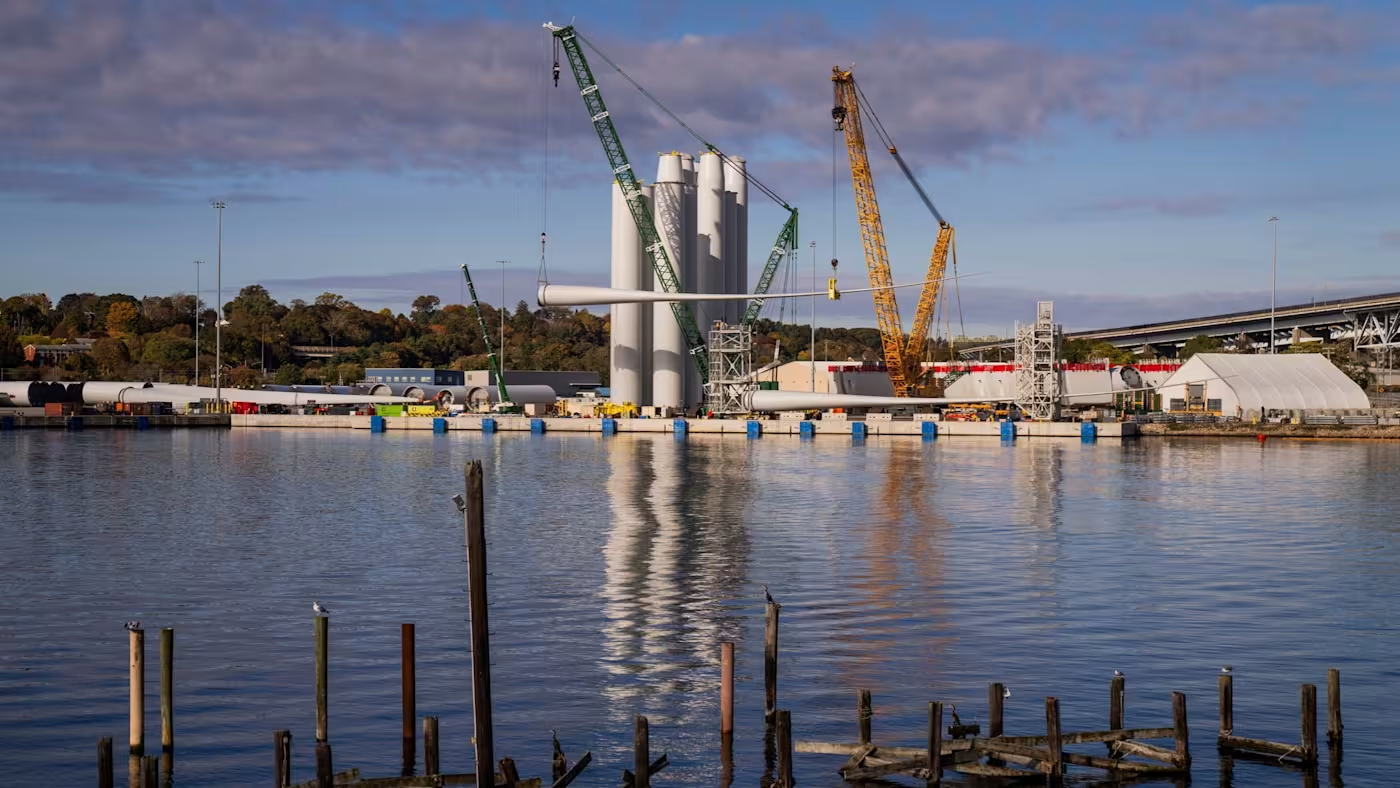
rsted seeks injunction against us government over Ørsted has initiated legal proceedings against the U.S. government in response to a suspension order affecting its significant offshore wind farm project along the northeastern coast of the United States.
rsted seeks injunction against us government over
Background of the Revolution Wind Project
The Revolution Wind project is a pivotal initiative in the United States’ transition to renewable energy. Positioned off the coast of Rhode Island and Connecticut, this offshore wind farm is designed to generate approximately 704 megawatts of electricity. This capacity is sufficient to power around 400,000 homes, significantly contributing to the region’s energy needs while also aiding in the reduction of carbon emissions.
Ørsted, a Danish company recognized as the world’s largest offshore wind developer, has been at the forefront of renewable energy initiatives. The company is 50 percent owned by the Danish government, which underscores its commitment to sustainable energy solutions. The joint venture partner, Skyborn Renewables, is a subsidiary of BlackRock’s Global Infrastructure Partners, further emphasizing the project’s financial backing and strategic importance.
Legal Challenge Against the Suspension
On Thursday, Ørsted filed a legal challenge in the U.S. District Court for the District of Columbia, contesting the Trump administration’s decision to suspend its work on the Revolution Wind project. The company asserts that the government’s order to halt the lease is a violation of applicable law, which could have far-reaching implications for the offshore wind industry in the U.S.
Details of the Suspension Order
The suspension order issued by the U.S. government has raised concerns within the renewable energy sector. Ørsted claims that the decision was made without proper justification and undermines the progress that has been made in developing offshore wind energy in the United States. The company argues that the suspension not only affects its operations but also sends a negative signal to investors and stakeholders in the renewable energy market.
Implications for the Offshore Wind Industry
The legal battle between Ørsted and the U.S. government highlights the ongoing tensions between federal policies and the aspirations of the renewable energy sector. The suspension of the Revolution Wind project could set a precedent that may hinder future offshore wind developments across the country. As the U.S. aims to transition to cleaner energy sources, any legal setbacks could delay the deployment of critical infrastructure needed to meet renewable energy targets.
Impact on Renewable Energy Goals
The Biden administration has set ambitious goals for renewable energy, aiming to generate 30 gigawatts of offshore wind energy by 2030. The Revolution Wind project is a crucial component of this strategy, and any delays could jeopardize the U.S. ability to meet its climate commitments. The legal challenge by Ørsted may serve as a catalyst for reevaluating federal policies regarding offshore wind development.
Stakeholder Reactions
The response from various stakeholders has been mixed. Environmental groups have expressed concern over the potential impacts of the suspension on the transition to renewable energy. They argue that the U.S. must accelerate the development of offshore wind projects to combat climate change effectively.
On the other hand, some industry experts have raised questions about the regulatory environment surrounding offshore wind projects. They argue that the legal challenges faced by Ørsted could deter future investments in the sector, as companies may be hesitant to commit resources to projects that could face similar legal hurdles.
Government Perspective
The U.S. government’s rationale for the suspension remains somewhat unclear. Officials have not provided detailed explanations for the decision, leading to speculation about the motivations behind the order. Some analysts suggest that the suspension may be part of a broader strategy to reassess offshore wind projects in light of environmental concerns or economic considerations.
Ørsted’s Position and Future Plans
In its statement, Ørsted emphasized its commitment to the Revolution Wind project and the broader offshore wind industry in the U.S. The company has invested significant resources into the project and remains optimistic about its potential to contribute to the region’s energy landscape. Ørsted’s legal challenge is not only a defense of its interests but also a broader statement about the importance of renewable energy development in the face of regulatory challenges.
Next Steps in the Legal Proceedings
The legal proceedings in the U.S. District Court for the District of Columbia will likely unfold over several months. Ørsted’s legal team will present its case, arguing that the government’s suspension is not only unlawful but also detrimental to the progress of renewable energy initiatives in the U.S. The outcome of this case could have significant implications for the future of offshore wind projects and the regulatory landscape governing renewable energy development.
Conclusion
The legal challenge by Ørsted against the U.S. government underscores the complexities and challenges facing the offshore wind industry in the United States. As the country strives to transition to cleaner energy sources, the outcome of this case will be closely watched by industry stakeholders, environmental advocates, and policymakers alike. The Revolution Wind project represents a critical step toward achieving the U.S.’s renewable energy goals, and its future hangs in the balance as legal proceedings unfold.
Source: Original report
Was this helpful?
Explore more: More General Technology Tech News Blog
Last Modified: January 7, 2026 at 2:40 am
11 views