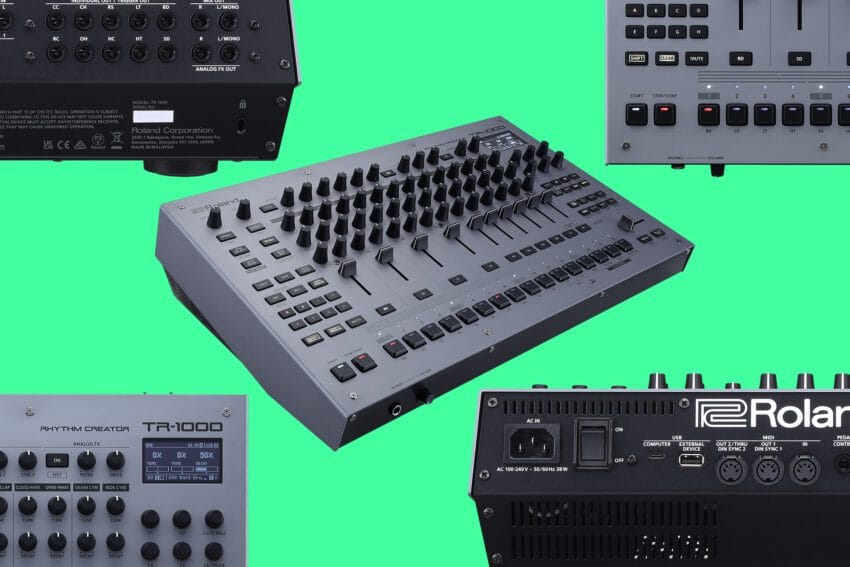
roland is finally honoring its legacy instead Roland has taken a significant step towards honoring its legacy in music technology with the introduction of the TR-1000 rhythm generator.
roland is finally honoring its legacy instead
The Legacy of Roland in Music Technology
Roland Corporation, founded in 1972, has long been a titan in the music technology industry. The company is best known for its innovative products that have shaped the sound of modern music. Among its most iconic instruments is the TR-808 drum machine, which has played a pivotal role in the evolution of various music genres, particularly hip-hop, electronic, and pop music. The TR-808 is often hailed as one of the most influential instruments since the electric guitar, and its impact can be felt across decades of music.
The TR-808 was first released in 1980 and quickly gained popularity for its unique sound and affordability. It has been used by a diverse array of artists, including Rihanna, Whitney Houston, Outkast, Talking Heads, and RP Boo. Its distinctive bass drum sound and snappy snare have become staples in countless tracks, making it a cornerstone of modern music production. The 808’s legacy is so profound that it has been referenced in numerous songs, documentaries, and even academic studies, solidifying its status as a cultural icon.
Innovations of the 1980s and 1990s
During the 1980s and 1990s, Roland was at the forefront of music technology innovation. The company released a series of groundbreaking products, including the Juno-106 synthesizer, the SH-101, and the TR-909 drum machine. These instruments not only defined the sound of their respective eras but also influenced countless musicians and producers worldwide.
The TR-909, released in 1983, combined analog synthesis with digital sampling, allowing for a more versatile sound palette. It became a staple in the burgeoning house and techno scenes, further cementing Roland’s reputation as a leader in music technology. The Juno-106, with its lush sounds and user-friendly interface, became a favorite among synth enthusiasts and has been used in countless hit songs.
The Decline in the 2000s
Despite its rich history of innovation, Roland’s trajectory took a downturn in the 2000s. The company began to focus on producing all-digital products that often failed to capture the essence of its classic analog instruments. Many of these products were seen as forgettable, lacking the character and warmth that had defined Roland’s earlier offerings. This shift in focus led to a perception that the company was more interested in cashing in on its legacy rather than honoring it.
During this period, the music technology landscape was rapidly evolving, with new companies emerging and pushing the boundaries of what was possible in music production. Many artists and producers began to seek out vintage gear, often turning to second-hand markets to find the classic Roland instruments that had defined their sound. This nostalgia for the past highlighted a growing disconnect between Roland’s current offerings and the expectations of its loyal customer base.
Community Response and Demand for Authenticity
The decline in Roland’s product quality did not go unnoticed. Musicians, producers, and fans expressed their dissatisfaction through various channels, including social media, forums, and music festivals. There was a palpable demand for the return of authentic, analog instruments that could deliver the warmth and character that had made Roland famous.
This community response was not just about nostalgia; it was a call for authenticity in music technology. Many artists felt that the digital products being released lacked the soul and creativity that characterized the analog era. As a result, there was a growing movement advocating for the revival of classic instruments and the creation of new products that honored the legacy of the past.
The Introduction of the TR-1000
In response to this demand, Roland has recently unveiled the TR-1000 rhythm generator, a product that aims to bridge the gap between its storied past and the present. The TR-1000 is designed to honor the legacy of the TR-808 and TR-909 while incorporating modern technology to meet the needs of today’s musicians.
The TR-1000 features a blend of analog and digital components, allowing for a versatile sound palette that pays homage to the classic Roland sound. It includes a range of drum sounds that are reminiscent of the iconic 808 and 909, while also offering new features that cater to contemporary music production techniques. This approach not only honors the past but also positions Roland as a forward-thinking company that is willing to adapt to the changing landscape of music technology.
Technical Specifications and Features
The TR-1000 boasts a variety of features that make it an appealing option for both seasoned musicians and newcomers alike. Some of its key specifications include:
- Analog and Digital Hybrid Sound Engine: The TR-1000 combines the warmth of analog synthesis with the precision of digital sampling, providing a rich and diverse sound palette.
- Extensive Sound Library: It includes a comprehensive library of drum sounds, including classic 808 and 909 sounds, as well as new samples that cater to modern genres.
- User-Friendly Interface: The TR-1000 features an intuitive layout that allows for easy navigation and sound manipulation, making it accessible for musicians of all skill levels.
- MIDI and USB Connectivity: The device supports MIDI and USB connections, enabling seamless integration with other music production equipment and software.
- Built-in Effects: The TR-1000 includes a range of built-in effects that allow users to further shape and customize their sounds.
Implications for the Music Industry
The introduction of the TR-1000 is not just a product launch; it represents a significant shift in Roland’s approach to music technology. By honoring its legacy while embracing modern innovation, Roland is positioning itself to reclaim its status as a leader in the industry. This move could have several implications for the music industry as a whole.
Revival of Analog Instruments
The TR-1000 may signal a broader revival of analog instruments in the music technology landscape. As musicians increasingly seek out authentic sounds and experiences, companies may be encouraged to invest in the development of new analog products. This could lead to a resurgence of interest in vintage gear, as well as the creation of new instruments that capture the essence of classic sounds.
Increased Competition
Roland’s renewed focus on honoring its legacy could also intensify competition among music technology companies. As Roland re-establishes itself as a leader, other companies may feel pressured to innovate and improve their offerings. This competition could ultimately benefit musicians, as it may result in a wider variety of high-quality products available in the market.
Community Engagement
Roland’s decision to listen to its community and respond to their demands for authenticity may set a precedent for other companies in the industry. Engaging with customers and valuing their feedback can foster a sense of loyalty and trust, which is essential for long-term success. As more companies recognize the importance of community engagement, the music technology landscape may become more collaborative and responsive to the needs of musicians.
Conclusion
Roland’s introduction of the TR-1000 rhythm generator marks a pivotal moment in the company’s history. By honoring its legacy and embracing modern innovation, Roland is not only revitalizing its brand but also contributing to the ongoing evolution of music technology. The TR-1000 stands as a testament to the enduring influence of classic instruments while paving the way for future innovations. As musicians continue to seek authentic sounds and experiences, Roland’s commitment to honoring its past may well position it for a successful future in the ever-changing landscape of music technology.
Source: Original report
Was this helpful?
Explore more: More Hardware & Devices Tech News Blog
Last Modified: October 6, 2025 at 2:38 am
9 views