rivian s ai pivot is about more Rivian is making a significant shift towards developing its own self-driving technology, a move that reflects its ambition to compete in the evolving electric vehicle (EV) landscape.
rivian s ai pivot is about more
Rivian’s Strategic Shift
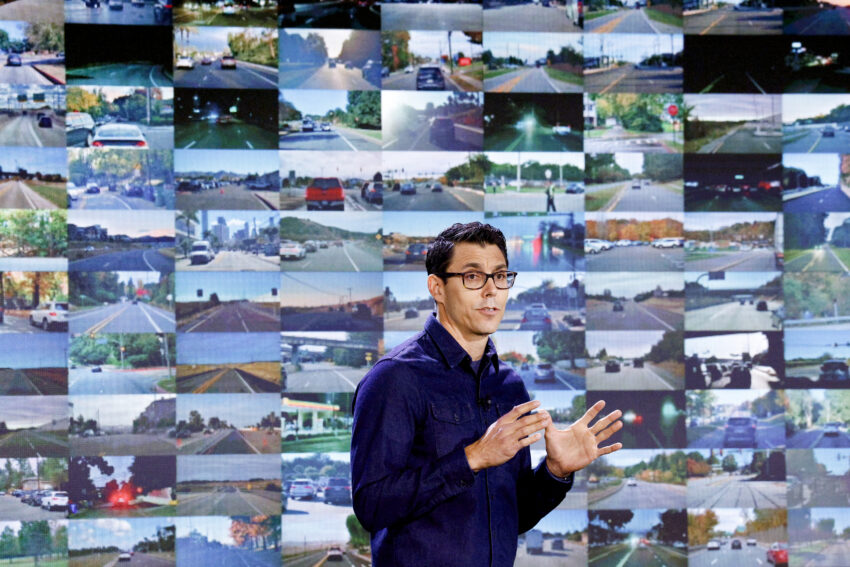
RJ Scaringe, the founder and CEO of Rivian, recently elaborated on the company’s decision to pivot towards building its own self-driving cars during a presentation at Rivian’s Palo Alto offices. This shift comes at a time when the competition in the electric vehicle market is intensifying, particularly from established players like Tesla and emerging companies like Waymo.
The Context of the Decision
Rivian, known for its adventure-themed electric trucks and SUVs, has been making headlines since its IPO in late 2021. However, the company has faced challenges in ramping up production and meeting delivery targets. The decision to develop in-house self-driving technology is not merely a response to competition; it is also a strategic move to enhance its product offerings and improve customer experience.
Scaringe’s remarks were made in front of an audience of investors, highlighting the importance of this pivot. He emphasized that Rivian’s approach to autonomy would be distinct from that of other companies. “We are not just chasing Tesla,” he stated, indicating that Rivian aims to carve out its own niche in the autonomous driving space.
The Arrival of Waymo
During Scaringe’s presentation, an unexpected guest made an appearance outside the Rivian office: a Waymo robotaxi. The vehicle, operated by the Alphabet-owned company, stopped to pick up a passenger, who happened to be an analyst from Goldman Sachs. This moment was not lost on Scaringe, who chuckled at the scene, saying, “That’s amazing. So perfect.” The presence of Waymo serves as a reminder of the competitive landscape Rivian is entering.
Understanding the Competition
Waymo has been a pioneer in the autonomous vehicle sector, having logged millions of miles in testing. The company has established itself as a leader in self-driving technology, which poses a significant challenge for Rivian as it embarks on its own journey into this domain. Rivian’s focus on adventure and outdoor activities sets it apart, but the company must also contend with the technological advancements made by rivals like Waymo and Tesla.
Tesla, in particular, has made headlines for its aggressive approach to self-driving technology, including its Full Self-Driving (FSD) software. Rivian’s strategy appears to be more cautious, with Scaringe emphasizing the importance of safety and reliability in their autonomous systems. “We want to ensure that our technology is not just innovative but also safe for our customers,” he noted.
Investments in Technology
To support its new direction, Rivian is investing heavily in technology and talent. The company has been actively recruiting experts in artificial intelligence (AI) and machine learning, aiming to build a robust team capable of developing its own self-driving systems. This investment is crucial, as the success of Rivian’s autonomous vehicles will depend on the quality of the technology it develops.
Partnerships and Collaborations
In addition to building in-house capabilities, Rivian is exploring partnerships with other technology firms to accelerate its development process. Collaborations with companies specializing in AI and sensor technology could provide Rivian with the necessary tools to enhance its self-driving systems. The integration of advanced sensors, such as lidar, is essential for creating a comprehensive perception system that can navigate complex environments.
Scaringe has indicated that Rivian is open to exploring various partnerships, stating, “We believe that collaboration can help us achieve our goals faster.” This approach aligns with industry trends, as many companies in the automotive and tech sectors are recognizing the value of working together to advance autonomous driving technology.
Consumer Expectations and Market Implications
The shift towards self-driving technology also reflects changing consumer expectations. As more consumers become accustomed to advanced driver-assistance systems, the demand for fully autonomous vehicles is likely to grow. Rivian’s focus on adventure and outdoor experiences could resonate with consumers looking for vehicles that enhance their lifestyle, making the development of autonomous features even more critical.
Potential Challenges
Despite the promising outlook, Rivian faces several challenges as it embarks on this new path. The development of self-driving technology is complex and requires significant resources. Rivian must navigate regulatory hurdles, as the legal landscape surrounding autonomous vehicles is still evolving. Ensuring compliance with safety standards and obtaining necessary approvals will be crucial for the company’s success.
Furthermore, Rivian must also address the public’s perception of self-driving technology. While some consumers are enthusiastic about the prospect of autonomous vehicles, others remain skeptical about their safety and reliability. Building trust with consumers will be essential for Rivian as it introduces its self-driving features.
Long-Term Vision
Looking ahead, Rivian’s long-term vision encompasses more than just self-driving technology. The company aims to create a comprehensive ecosystem that includes electric vehicles, energy solutions, and advanced mobility services. Scaringe envisions a future where Rivian not only produces vehicles but also offers integrated solutions that enhance the overall customer experience.
Environmental Considerations
Rivian’s commitment to sustainability is another key aspect of its long-term vision. The company has positioned itself as an environmentally conscious brand, focusing on reducing its carbon footprint and promoting sustainable practices. As it develops self-driving technology, Rivian will likely continue to prioritize eco-friendly solutions, aligning with the growing consumer demand for sustainable products.
Conclusion
Rivian’s pivot towards self-driving technology marks a significant milestone in the company’s evolution. As it seeks to establish itself in the competitive landscape of autonomous vehicles, Rivian is not merely chasing Tesla; it is carving out its own identity. With a focus on safety, innovation, and sustainability, Rivian aims to redefine the future of mobility while enhancing the adventure experience for its customers. The journey ahead will undoubtedly be challenging, but the potential rewards could be transformative for both the company and the automotive industry as a whole.
Source: Original report
Was this helpful?
Explore more: AI Automation Services More AI & Automation Tech News
Last Modified: December 21, 2025 at 1:43 am
29 views