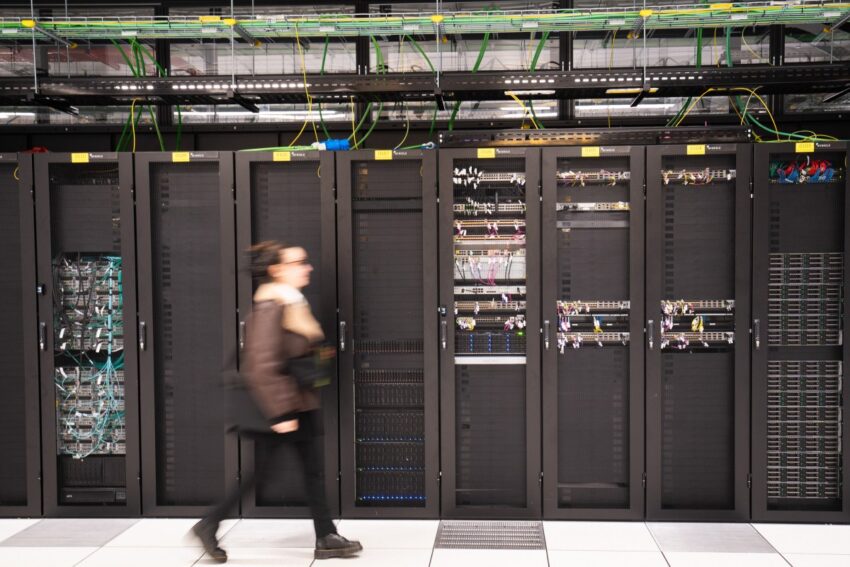
rising energy prices put ai and data As energy prices continue to rise, concerns are mounting among consumers regarding the impact of data centers on electricity costs.
rising energy prices put ai and data
Consumer Concerns Over Rising Energy Prices
Recent surveys indicate that a significant majority of consumers are increasingly worried about the role of data centers in escalating electricity prices. According to a study conducted by the Energy Information Administration (EIA), nearly 70% of respondents expressed apprehension that the proliferation of data centers is contributing to higher energy costs. This sentiment is particularly pronounced in regions where data centers are rapidly expanding, leading to questions about the sustainability of such growth.
The growing reliance on digital services, cloud computing, and artificial intelligence (AI) has resulted in a surge in demand for data processing and storage. As a consequence, data centers, which house the servers and infrastructure necessary for these services, are consuming vast amounts of electricity. This increased demand is not only straining local power grids but also raising concerns about the environmental impact associated with higher energy consumption.
The Economic Impact of Data Centers
Data centers are often viewed as a double-edged sword. On one hand, they contribute significantly to the economy by creating jobs and stimulating local businesses. On the other hand, their energy consumption can lead to increased utility costs for consumers. The EIA report highlights that in areas with a high concentration of data centers, electricity prices have risen at a rate faster than the national average.
In some cases, local governments have incentivized the establishment of data centers by offering tax breaks and other financial incentives. While this strategy can attract investment and create jobs, it raises questions about the long-term sustainability of such initiatives, especially if they lead to higher costs for residents. As energy prices continue to rise, there is a growing concern that consumers may push back against these developments, leading to potential regulatory scrutiny.
Stakeholder Reactions
The reactions from various stakeholders have been mixed. Industry leaders argue that data centers are essential for supporting the digital economy and that they are taking steps to mitigate their energy consumption. For instance, many companies are investing in renewable energy sources and implementing energy-efficient technologies to reduce their carbon footprint. However, these efforts may not be enough to quell consumer concerns.
Consumer advocacy groups have been vocal in their criticism of the data center industry, calling for greater transparency regarding energy consumption and its impact on electricity prices. They argue that consumers should not bear the burden of increased costs associated with data centers, especially when many households are already struggling to pay their utility bills. These groups are pushing for policies that would hold data centers accountable for their energy usage and its effects on local communities.
Environmental Implications
The environmental implications of data centers are also a significant concern. The energy-intensive nature of these facilities contributes to greenhouse gas emissions, which are a leading cause of climate change. As the demand for data processing continues to grow, so too does the need for energy, often sourced from fossil fuels. This creates a paradox where the very technologies designed to enhance efficiency and connectivity may inadvertently contribute to environmental degradation.
In response to these challenges, some data center operators are exploring innovative solutions. For example, several companies are investing in advanced cooling technologies that reduce energy consumption without compromising performance. Others are partnering with renewable energy providers to ensure that their operations are powered by sustainable sources. However, the effectiveness of these initiatives in addressing consumer concerns remains to be seen.
The Role of Government Regulation
As public concern over rising energy prices grows, government regulation may play a critical role in shaping the future of data centers. Policymakers are increasingly recognizing the need to balance economic growth with environmental sustainability. This has led to discussions about potential regulations that would require data centers to disclose their energy usage and carbon emissions.
In some regions, local governments are already taking action by implementing stricter zoning laws and energy efficiency standards for new data center developments. These regulations aim to ensure that data centers are built with sustainability in mind and that they do not disproportionately impact local communities. However, the challenge lies in finding a balance that allows for continued investment in data infrastructure while addressing the concerns of consumers and environmental advocates.
Future Outlook for Data Centers
The future of data centers is likely to be shaped by a combination of technological advancements, consumer preferences, and regulatory frameworks. As the demand for digital services continues to grow, data centers will need to adapt to changing market conditions and public sentiment. This may involve a greater emphasis on energy efficiency, renewable energy sourcing, and transparency regarding energy consumption.
Moreover, as consumers become more aware of the environmental impact of their digital habits, there may be a shift in demand toward companies that prioritize sustainability. Data centers that can demonstrate a commitment to reducing their carbon footprint and minimizing their impact on local communities may find themselves at a competitive advantage in the marketplace.
Conclusion
The rising energy prices and the associated concerns about data centers highlight a critical intersection of technology, economics, and environmental sustainability. As consumers voice their worries about the impact of data centers on electricity costs, the industry must respond proactively to address these concerns. By investing in energy-efficient technologies, embracing renewable energy sources, and engaging transparently with stakeholders, data centers can work to mitigate the backlash and ensure their continued growth in a sustainable manner.
Ultimately, the path forward for data centers will require collaboration among industry leaders, consumers, and policymakers. By fostering open dialogue and working together to find solutions, it may be possible to strike a balance that supports economic growth while safeguarding the interests of local communities and the environment.
Source: Original report
Was this helpful?
Last Modified: November 2, 2025 at 5:39 am
3 views