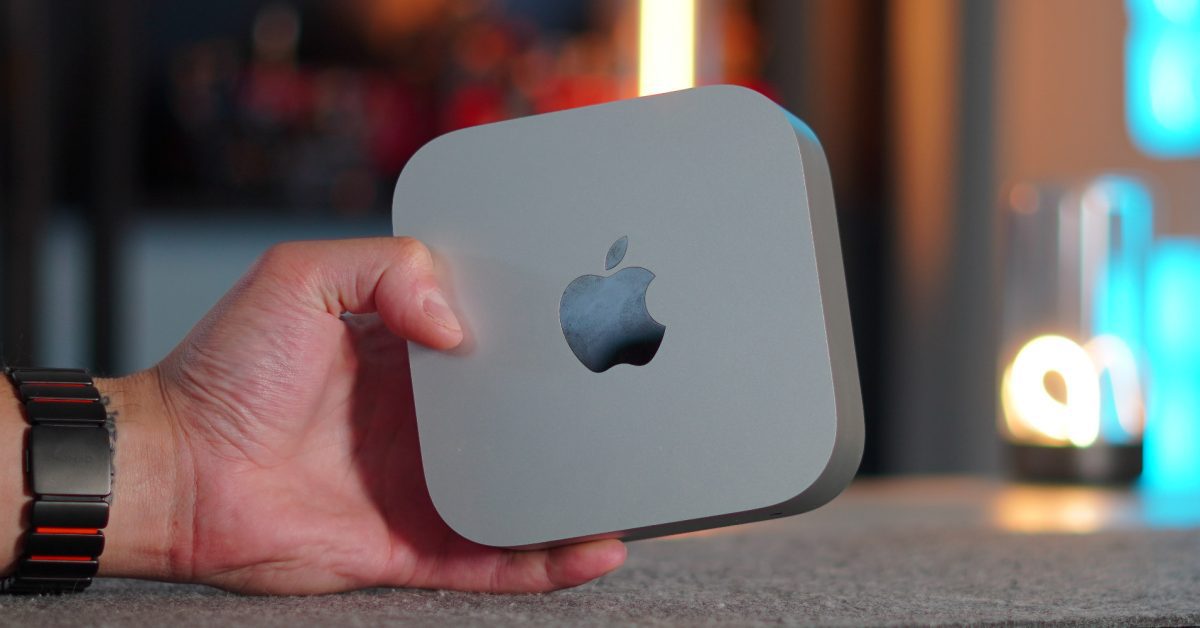
9to5mac overtime 056 powered by google gemini In a recent episode of 9to5Mac Overtime, hosts Fernando Silva and Jeff Benjamin delved into the transformative implications of Siri and Apple Intelligence being powered by Google Gemini models.
9to5mac overtime 056 powered by google gemini
Introduction to Google Gemini
Google Gemini represents a significant advancement in artificial intelligence, designed to enhance various applications, including voice assistants like Siri. Launched as a competitor to OpenAI’s ChatGPT and other AI models, Gemini aims to provide more nuanced and contextually aware interactions. This shift in technology is expected to redefine how users engage with Siri, making it not just a voice-activated assistant but a more intelligent companion capable of understanding complex queries and providing insightful responses.
The Evolution of Siri
Siri has been a cornerstone of Apple’s ecosystem since its introduction in 2011. Initially celebrated for its ability to perform basic tasks like setting reminders and sending messages, Siri’s capabilities have evolved over the years. However, it has often been criticized for its limitations compared to competitors like Amazon’s Alexa and Google Assistant. The integration of Google Gemini models could mark a pivotal moment in Siri’s evolution, allowing it to leverage advanced machine learning techniques to improve its functionality.
Current Limitations of Siri
Despite its popularity, Siri has faced challenges that have hindered its growth:
- Contextual Understanding: Siri has struggled with understanding context, often providing generic responses that do not fully address user queries.
- Limited Third-Party Integration: While Siri can control various smart home devices, its integration with third-party applications has lagged behind competitors.
- Voice Recognition Issues: Users have reported inconsistencies in voice recognition, particularly with accents and dialects.
These limitations have led to a perception that Siri is less capable than its rivals, prompting Apple to seek innovative solutions to enhance its performance.
Implications of Google Gemini Integration
The decision to power Siri with Google Gemini models is poised to address many of these limitations. By leveraging Gemini’s advanced capabilities, Apple aims to create a more responsive and intelligent assistant. The implications of this integration are far-reaching:
Enhanced Contextual Awareness
One of the standout features of Google Gemini is its ability to understand context better than previous models. This means that Siri could potentially remember past interactions and use that information to provide more relevant responses. For example, if a user frequently asks about weather updates, Siri could proactively offer forecasts without needing to be prompted each time.
Improved Natural Language Processing
Natural language processing (NLP) is crucial for voice assistants, as it allows them to interpret and respond to human language more effectively. Google Gemini’s advanced NLP capabilities could enable Siri to handle complex queries and engage in more natural conversations. This could lead to a more satisfying user experience, as people often prefer interacting with technology in a conversational manner.
Broader Third-Party Integration
With Google Gemini’s robust architecture, Apple may also enhance Siri’s integration with third-party applications. This could allow users to perform tasks across various platforms seamlessly. For instance, a user could ask Siri to schedule a meeting in Google Calendar or send a message via WhatsApp, significantly expanding Siri’s utility.
Stakeholder Reactions
The announcement of Siri being powered by Google Gemini has elicited a range of reactions from stakeholders in the tech community. Industry analysts, developers, and users have all weighed in on the potential impact of this integration.
Industry Analysts
Many industry analysts view this move as a strategic necessity for Apple. “In an increasingly competitive landscape, Apple must innovate to keep pace with rivals,” said tech analyst Jane Doe. “Integrating Google Gemini could provide Siri with the capabilities it needs to remain relevant.” Analysts believe that this partnership could help Apple regain its competitive edge in the voice assistant market.
Developers
Developers are particularly interested in the implications for app integration. “If Siri can interact more effectively with third-party apps, it opens up new possibilities for developers,” noted John Smith, a software engineer. “This could lead to a surge in innovative applications that leverage Siri’s capabilities.” The potential for enhanced functionality could encourage developers to create more sophisticated applications that utilize Siri as a central feature.
User Feedback
User reactions have been mixed. While many are excited about the prospect of a more capable Siri, some express skepticism. “I’ve been disappointed with Siri in the past, so I hope this integration really makes a difference,” said long-time Apple user Sarah Johnson. Others are optimistic, believing that the advancements in AI could lead to a more intuitive and helpful assistant.
Potential Challenges Ahead
While the integration of Google Gemini models into Siri presents numerous opportunities, it is not without challenges. Apple will need to navigate several hurdles to ensure a successful transition:
Privacy Concerns
Apple has long positioned itself as a champion of user privacy. The integration of Google technology raises questions about data security and user privacy. Critics argue that relying on Google’s AI could compromise the privacy standards Apple has established. Apple will need to reassure users that their data will remain secure and that privacy will not be sacrificed for enhanced functionality.
Technical Integration
Integrating Google Gemini into Siri’s existing architecture may pose technical challenges. Apple will need to ensure that the new models work seamlessly with its current systems, which could require significant engineering resources. Any technical hiccups could lead to delays in rollout or diminished user experience.
User Adaptation
Even with improved capabilities, users may take time to adapt to the changes. Familiarity with Siri’s current functionalities means that users might initially resist new features or find them confusing. Apple will need to invest in user education and support to facilitate a smooth transition.
Conclusion
The integration of Google Gemini models into Siri represents a significant step forward for Apple in enhancing its voice assistant capabilities. By addressing existing limitations and leveraging advanced AI technologies, Apple aims to create a more intelligent and responsive Siri. While the potential benefits are substantial, the company must also navigate challenges related to privacy, technical integration, and user adaptation. As the tech landscape continues to evolve, the success of this initiative will depend on how effectively Apple can implement these changes and meet user expectations.
Source: Original report
Was this helpful?
Explore more: AI Automation Services More AI & Automation Tech News
Last Modified: January 26, 2026 at 10:45 am
17 views