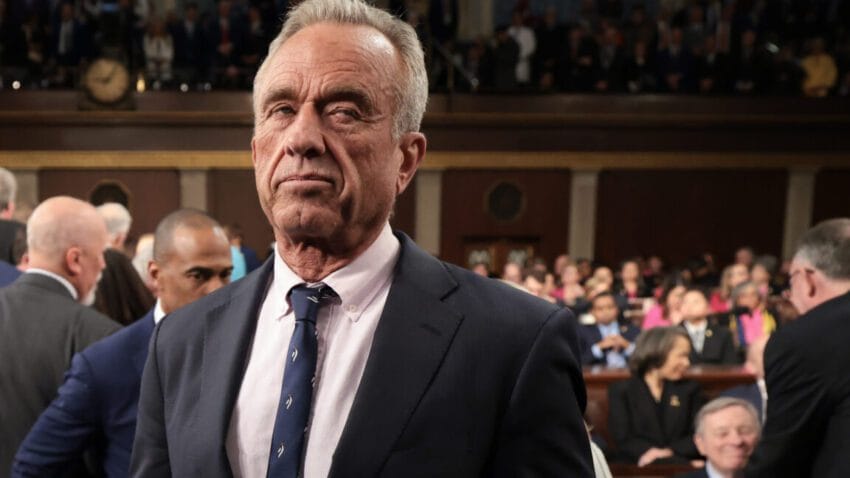
rfk jr s cdc may limit covid Federal health officials under Robert F. Kennedy Jr. are reportedly considering restricting COVID-19 mRNA vaccine access to individuals aged 75 and older, while also attempting to link these vaccines to the deaths of 25 children.
rfk jr s cdc may limit covid
Background on the Current Vaccine Landscape
The COVID-19 pandemic has led to unprecedented global vaccination efforts, with mRNA vaccines like those developed by Pfizer-BioNTech and Moderna playing a pivotal role in combating the virus. These vaccines have been administered to billions of people worldwide, contributing significantly to the reduction of severe illness and death associated with COVID-19. However, the discourse surrounding vaccine safety has remained contentious, particularly among certain activist groups.
Robert F. Kennedy Jr., a prominent anti-vaccine advocate, has gained attention for his controversial views on vaccine safety. His recent appointment as a key figure in federal health discussions has raised concerns among public health experts and advocates for vaccination. Under his influence, there appears to be a shift in how federal health officials are approaching the narrative surrounding COVID-19 vaccines, particularly regarding their safety and efficacy.
Claims of Vaccine-Linked Deaths
According to a report by The Washington Post, federal health officials are allegedly using data from the Vaccine Adverse Event Reporting System (VAERS) to assert that COVID-19 vaccines are linked to the deaths of 25 children. This claim has sparked significant controversy, as VAERS is known for its limitations. The system allows anyone to report adverse events following vaccination, but these reports are unverified at the time of submission. The Centers for Disease Control and Prevention (CDC) typically investigates serious claims to determine their validity and whether they can be causally linked to vaccination.
Experts have long cautioned against interpreting VAERS data as definitive evidence of vaccine harm. The system is designed to capture a wide array of potential adverse events, but it does not establish causality. In fact, the CDC has consistently found that the vast majority of reported events are not directly related to vaccines. This distinction is crucial, especially when discussing the safety of vaccines that have undergone rigorous testing and monitoring.
The Role of VAERS in Vaccine Monitoring
VAERS serves as an important tool for monitoring vaccine safety in the United States. It collects reports of adverse events following vaccination, allowing health officials to identify potential safety signals. However, the system’s design means that it is susceptible to misinterpretation. Reports can be submitted by anyone, including individuals who may not have a medical background, and many reports are based on anecdotal evidence rather than clinical data.
Despite these limitations, federal health experts continuously monitor VAERS alongside other safety surveillance systems. They conduct thorough assessments of vaccine safety, utilizing data from clinical trials, real-world studies, and ongoing surveillance. The overwhelming consensus among health organizations, including the CDC and the World Health Organization (WHO), is that COVID-19 vaccines are safe and effective.
Current Vaccine Safety Data
As of now, billions of COVID-19 vaccine doses have been administered globally, and extensive data has been collected regarding their safety. While there have been reports of myocarditis and pericarditis—conditions involving inflammation of the heart and surrounding tissue—these events are rare. The incidence rate of these conditions among males aged 12 to 24, who are considered to be at the highest risk, is approximately 27 cases per million doses administered. Most cases are mild and resolve without serious complications.
Moreover, data presented by CDC experts indicate that COVID-19 vaccines have not been linked to deaths or the need for heart transplants. This information is critical in countering claims that vaccines are harmful, particularly to children. The CDC and other health authorities emphasize that the benefits of vaccination far outweigh the risks, especially in the context of a pandemic that has claimed millions of lives worldwide.
Potential Changes to Vaccine Recommendations
The reported consideration to limit COVID-19 vaccine access to individuals aged 75 and older raises questions about public health policy and the implications for vaccination efforts. If implemented, such a recommendation could significantly reduce the number of individuals eligible for vaccination, potentially leaving younger populations vulnerable to severe illness from COVID-19.
Public health experts argue that broad access to vaccines is essential for achieving herd immunity and controlling the spread of the virus. Limiting access based on age could undermine these efforts, especially as new variants of the virus continue to emerge. Vaccination remains a key strategy in preventing severe disease and hospitalizations, particularly among high-risk populations.
Stakeholder Reactions
The potential shift in vaccine access has elicited a range of reactions from stakeholders in the healthcare community. Public health officials, epidemiologists, and vaccine advocates have expressed concern over the implications of restricting vaccine access. Many argue that such a move could exacerbate health disparities and lead to increased morbidity and mortality among younger populations.
Conversely, anti-vaccine advocates, including those aligned with Kennedy’s views, may see this as a victory in their ongoing campaign against vaccination. They argue that limiting access to vaccines could align with their narrative that vaccines pose risks, particularly to children. This perspective, however, is not supported by the prevailing scientific consensus.
The Broader Implications of Vaccine Misinformation
The current discourse surrounding COVID-19 vaccines highlights the broader issue of vaccine misinformation. The spread of unverified claims and anecdotal evidence can have significant consequences for public health. Misinformation can lead to vaccine hesitancy, reduced vaccination rates, and ultimately, increased transmission of infectious diseases.
Public health campaigns aimed at countering misinformation have become increasingly important in the wake of the pandemic. These campaigns focus on providing accurate information about vaccine safety and efficacy, as well as addressing common concerns and misconceptions. Engaging with communities and building trust are essential components of these efforts.
The Role of Social Media
Social media platforms have played a significant role in the dissemination of both accurate information and misinformation regarding vaccines. While these platforms can serve as valuable tools for public health messaging, they can also amplify false claims and conspiracy theories. Efforts to combat misinformation on social media have become a priority for health organizations and policymakers alike.
In response to the challenges posed by misinformation, some social media companies have implemented measures to flag or remove false claims about vaccines. However, the effectiveness of these measures remains a topic of debate, as misinformation continues to circulate widely.
Conclusion
The ongoing discussion surrounding COVID-19 vaccines, particularly in light of Robert F. Kennedy Jr.’s influence, underscores the complexities of public health communication in a polarized environment. As federal health officials consider potential changes to vaccine access, it is crucial to prioritize evidence-based decision-making and public health principles. The safety and efficacy of COVID-19 vaccines have been well-established through extensive research and monitoring, and any changes to vaccination policy should reflect this reality.
As the situation evolves, it will be essential for public health officials to engage transparently with the public, addressing concerns while reinforcing the importance of vaccination in controlling the COVID-19 pandemic.
Source: Original report
Was this helpful?
Explore more: More General Technology Tech News Blog
Last Modified: September 13, 2025 at 3:35 am
5 views