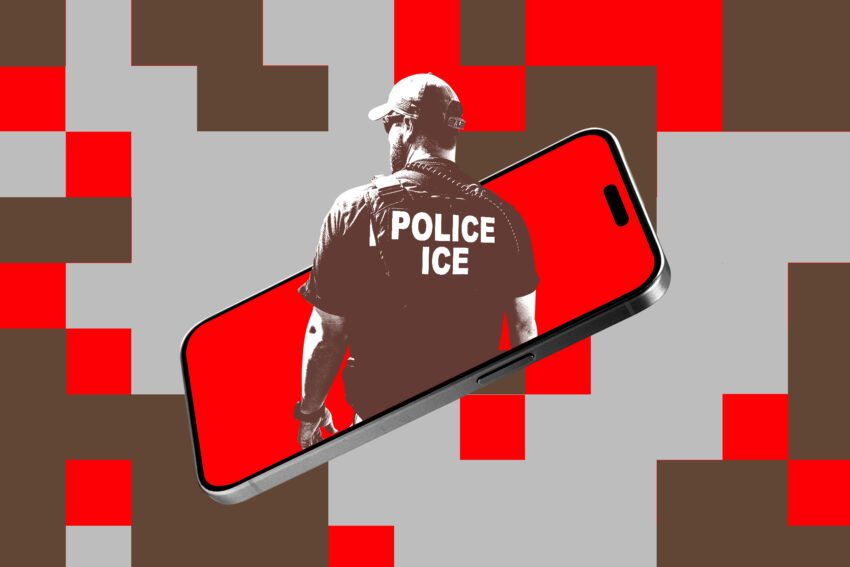
returning from a humanitarian aid trip to Upon returning from a humanitarian aid mission to Cuba, a group of American citizens faced unexpected scrutiny and the seizure of their personal devices by U.S. Customs and Border Protection (CBP) at Miami International Airport.
returning from a humanitarian aid trip to
Incident Overview
On Wednesday morning, a charter flight carrying members of the Nuestra América Convoy landed at Miami International Airport after a trip to deliver humanitarian aid to Cuba. The convoy, which included 20 U.S. citizens, was part of a broader initiative aimed at providing essential supplies to the island nation, which has faced significant economic challenges and shortages of basic goods.
Upon arrival, 18 of the 20 individuals were subjected to secondary inspection by CBP officers. This process involved detaining the travelers for questioning and examining their belongings. During this inspection, CBP seized their phones and other electronic devices, leaving the individuals with little information regarding the status of their property or when they might expect to have it returned.
The Nuestra América Convoy
The Nuestra América Convoy is named after an influential essay by the 19th-century Cuban intellectual José Martí, who critiqued colonialism and advocated for the independence and dignity of Latin American nations. The convoy’s mission reflects a commitment to solidarity and humanitarian assistance, particularly in light of the ongoing economic crisis in Cuba exacerbated by the U.S. embargo and the COVID-19 pandemic.
Members of the convoy included activists, healthcare professionals, and ordinary citizens who sought to provide essential supplies such as food, medical equipment, and hygiene products to those in need. The group aimed to foster a spirit of cooperation and understanding between the U.S. and Cuba, challenging the prevailing narratives that often frame Cuba solely in terms of its political regime.
Motivations Behind the Mission
The motivations for participating in such humanitarian efforts are varied. Many members of the convoy expressed a deep sense of responsibility to assist those suffering from the effects of economic hardship. The blockade has led to shortages of food, medicine, and other critical supplies, prompting activists to take action. For some, this mission was not just about delivering goods but also about building bridges between cultures and promoting dialogue.
Challenges Faced by the Convoy
Despite their noble intentions, the convoy faced numerous challenges both in organizing the trip and during their time in Cuba. The logistics of transporting goods to a country under strict U.S. sanctions posed significant hurdles. Participants had to navigate complex regulations and ensure that their aid complied with both U.S. laws and Cuban regulations.
Additionally, the group encountered skepticism and resistance from some quarters. Critics of the U.S. embargo argue that it hampers humanitarian efforts and exacerbates the suffering of ordinary Cubans. Conversely, supporters of the embargo contend that it is necessary to pressure the Cuban government to reform its policies. This polarized environment often complicates humanitarian missions, as activists must contend with both legal and political obstacles.
Customs and Border Protection’s Role
CBP’s actions during the return of the convoy members have raised significant concerns regarding civil liberties and the treatment of individuals engaged in humanitarian work. The agency has broad authority to inspect travelers and their belongings, particularly when it comes to international flights. However, the seizure of personal devices without clear justification has sparked debate about the implications for privacy and free expression.
Legal Framework and Authority
Under U.S. law, CBP has the authority to search and seize electronic devices at the border without a warrant. This power is justified under the premise of national security and the prevention of illegal activities. However, critics argue that such practices can lead to overreach and violations of individual rights, particularly for those engaged in humanitarian efforts.
The lack of transparency regarding the criteria for device seizures raises questions about the motivations behind such actions. In this instance, the convoy members were not accused of any wrongdoing, yet they faced invasive scrutiny upon their return. The ambiguity surrounding the return of their devices adds another layer of concern, as individuals often store sensitive personal information on their phones.
Reactions from Stakeholders
The incident has elicited a range of reactions from various stakeholders, including human rights organizations, legal experts, and members of Congress. Many have expressed alarm over the implications for civil liberties and the chilling effect such actions may have on future humanitarian efforts.
Human rights advocates argue that the seizure of devices from individuals engaged in humanitarian work sends a troubling message about the treatment of activists and the government’s stance on free expression. They contend that such actions could deter individuals from participating in similar missions in the future, ultimately harming those who rely on humanitarian assistance.
Legal experts have also weighed in, noting that while CBP has broad authority, there are limits to that power. The lack of clear guidelines regarding the seizure of electronic devices raises concerns about potential abuses and the need for greater oversight. Some have called for legislative action to protect the rights of individuals traveling for humanitarian purposes.
Broader Implications
This incident is emblematic of a larger trend regarding the treatment of humanitarian workers and activists in the United States. As political polarization continues to shape public discourse, individuals engaged in humanitarian efforts may find themselves increasingly scrutinized and subjected to invasive practices.
The implications extend beyond the immediate concerns of privacy and civil liberties. The treatment of the Nuestra América Convoy members raises questions about the future of humanitarian aid and the ability of activists to operate freely. If individuals fear repercussions for their efforts, the flow of aid to those in need may be significantly hindered.
Future of Humanitarian Aid to Cuba
The future of humanitarian aid to Cuba remains uncertain, particularly in light of the U.S. government’s stance on the island nation. While some policymakers advocate for easing restrictions to allow for greater humanitarian access, others maintain that the embargo is necessary to pressure the Cuban government for reforms.
As the situation evolves, it will be crucial for activists and humanitarian organizations to navigate the complex landscape of U.S.-Cuba relations. The challenges faced by the Nuestra América Convoy serve as a reminder of the obstacles that lie ahead for those committed to providing assistance and fostering understanding between the two nations.
Conclusion
The seizure of phones and devices from members of the Nuestra América Convoy upon their return from Cuba highlights significant issues regarding civil liberties, humanitarian efforts, and the treatment of activists in the United States. As the debate surrounding U.S.-Cuba relations continues, the implications of this incident will likely resonate beyond the immediate context, influencing the future of humanitarian work and the rights of individuals engaged in such missions.
Source: Original report
Was this helpful?
Explore more: Application Audit & Review More Cybersecurity Tech News
Last Modified: March 27, 2026 at 7:37 pm
24 views