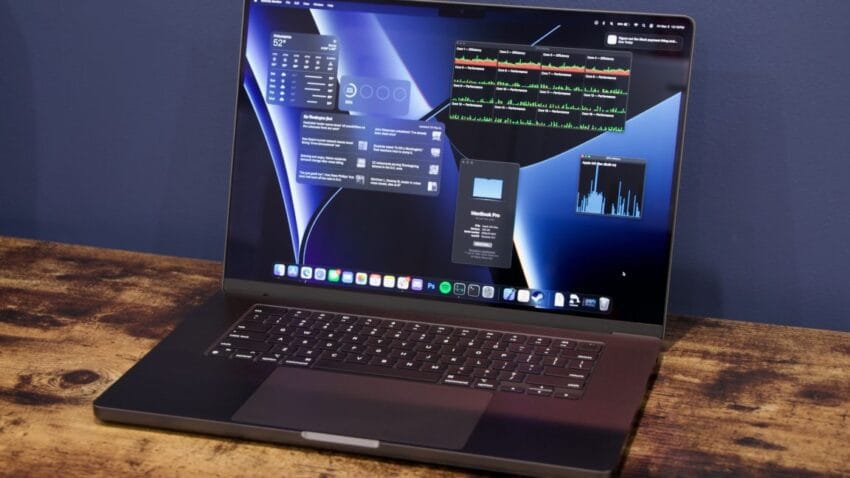
report apple inches closer to releasing an Recent reports suggest that Apple is moving closer to the launch of an OLED touchscreen MacBook Pro, a development that could significantly alter the landscape of its laptop offerings.
report apple inches closer to releasing an
Background on Apple’s Stance on Touchscreen Macs
For many years, Apple executives have publicly dismissed the idea of touchscreen Macs, often labeling it as impractical. This skepticism has been rooted in the belief that the traditional Mac experience, which relies heavily on keyboard and trackpad inputs, is fundamentally different from that of the iPad, which is designed for touch interaction. However, despite this long-standing position, rumors about touchscreen Macs have persisted, resurfacing every few years with varying degrees of credibility.
The latest insights come from Ming Chi-Kuo, a well-known supply chain analyst with a track record of accurately predicting Apple’s product developments. Kuo’s recent statements indicate that Apple is not only reconsidering its stance on touchscreen Macs but is also planning to integrate OLED technology into its upcoming MacBook Pro models.
Details from Ming Chi-Kuo
Kuo reports that touchscreen MacBook Pros are expected to enter mass production by late 2026. This timeline suggests that Apple is not merely experimenting but is actively preparing to bring these devices to market. The shift to OLED display panels represents a significant upgrade from the Mini LED technology currently used in the latest MacBook Pros. OLED displays are known for their vibrant colors, deeper blacks, and improved energy efficiency, which could enhance the overall user experience.
Implications of Touchscreen Technology
The introduction of touchscreen capabilities in MacBook Pros could have far-reaching implications for both users and the broader market. Apple’s interest in this technology appears to stem from a long-term observation of iPad user behavior. Over the past few years, Apple has launched various iPad models equipped with keyboard and touchpad accessories, effectively merging the functionalities of a tablet and a laptop.
This convergence is further supported by the recent updates to iPadOS, particularly the iPadOS 26 update, which has blurred the lines between the touch-first iPad and the keyboard-and-pointer-first Mac. By recognizing that both input methods can be beneficial when combined, Apple seems to be laying the groundwork for a more versatile computing experience across its product lines.
Market Context and Competitive Landscape
The potential release of a touchscreen MacBook Pro comes at a time when the laptop market is increasingly competitive. Companies like Microsoft and Dell have already embraced touchscreen technology in their devices, offering users a hybrid experience that combines the best of both worlds. As consumers become more accustomed to touchscreen interfaces, especially with the rise of tablets and smartphones, Apple may feel pressured to adapt its offerings to meet evolving user expectations.
Moreover, the success of the iPad Pro, which has been marketed as a laptop alternative, indicates a growing demand for devices that can seamlessly transition between different modes of use. By introducing a touchscreen MacBook Pro, Apple could capture a segment of the market that seeks flexibility and versatility in their computing devices.
Potential User Experience Enhancements
Integrating a touchscreen into the MacBook Pro could enhance the user experience in several ways:
- Intuitive Interactions: Touchscreens allow for more direct manipulation of on-screen elements, making tasks like photo editing, graphic design, and even everyday navigation more intuitive.
- Enhanced Productivity: Users could switch between touch and traditional input methods depending on the task, potentially increasing productivity for creative professionals and casual users alike.
- Gaming and Entertainment: A touchscreen MacBook Pro could also improve the gaming experience, allowing for touch-based controls that are more engaging than traditional input methods.
Stakeholder Reactions
The prospect of a touchscreen MacBook Pro has elicited a range of reactions from stakeholders, including industry analysts, consumers, and developers. Many analysts view this move as a logical progression for Apple, given the trends in user behavior and the competitive landscape. They argue that by embracing touchscreen technology, Apple can maintain its relevance in an increasingly hybrid computing environment.
Consumers, particularly those who have long advocated for a touchscreen Mac, are likely to welcome this development. The ability to combine the functionalities of a Mac and an iPad could appeal to a wide range of users, from students to professionals. However, some traditional Mac users may express concerns about the potential dilution of the Mac experience, fearing that the introduction of a touchscreen could compromise the performance and reliability that they have come to expect.
Developer Perspectives
Developers are also keeping a close eye on these developments, as the introduction of a touchscreen MacBook Pro could necessitate updates to existing applications. Software developers may need to optimize their applications for touch interactions, which could lead to a more dynamic and engaging user experience. This shift could also encourage the development of new applications specifically designed to leverage the capabilities of a touchscreen interface.
Technical Considerations
The transition to OLED displays in the upcoming MacBook Pro models is another noteworthy aspect of this potential release. OLED technology offers several advantages over traditional LCD displays, including:
- Improved Color Accuracy: OLED displays can produce more vibrant colors and deeper blacks, enhancing the visual quality of content.
- Energy Efficiency: OLED panels consume less power when displaying darker images, which could lead to improved battery life for the MacBook Pro.
- Thinner and Lighter Design: The inherent properties of OLED technology allow for thinner and lighter displays, contributing to a more portable device.
Challenges Ahead
Despite the promising outlook, there are challenges that Apple will need to address as it moves forward with the development of touchscreen MacBook Pros. One significant concern is the potential for increased production costs associated with OLED technology and touchscreen integration. Apple has historically positioned its products as premium offerings, and any increase in manufacturing costs could impact pricing strategies.
Additionally, Apple will need to ensure that the user experience remains seamless. The integration of touchscreen functionality must not detract from the performance and reliability that Mac users expect. Balancing these factors will be crucial in determining the success of the touchscreen MacBook Pro.
Conclusion
The prospect of an OLED touchscreen MacBook Pro marks a significant shift in Apple’s approach to its laptop lineup. By embracing touchscreen technology, Apple could enhance the versatility and appeal of its MacBook offerings, aligning them more closely with user expectations in an increasingly hybrid computing landscape. As the company prepares for mass production by late 2026, stakeholders will be watching closely to see how this development unfolds and what it means for the future of Apple’s product ecosystem.
Source: Original report
Was this helpful?
Explore more: More Hardware & Devices Tech News Blog
Last Modified: September 17, 2025 at 8:36 pm
7 views