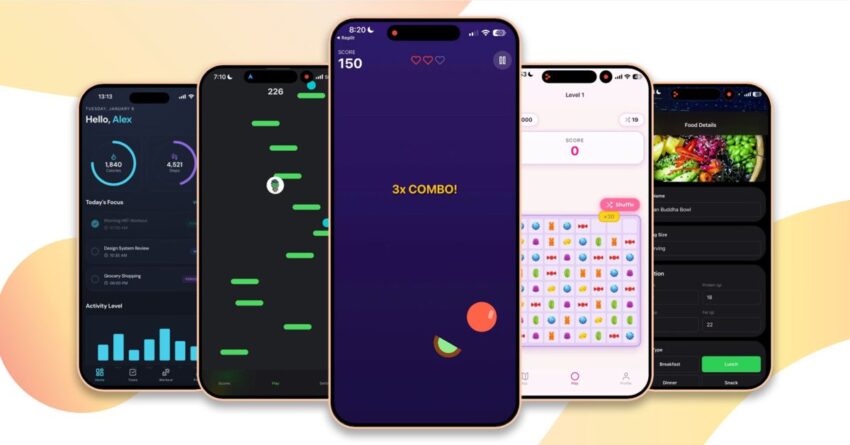
replit now lets you vibe code ios Replit has introduced an innovative tool that allows users to create iOS applications by simply describing their ideas, streamlining the development process significantly.
replit now lets you vibe code ios
Introduction to Mobile Apps by Replit
Replit, a popular online coding platform, has launched a new feature called Mobile Apps, designed to simplify the app development process for iOS. This tool enables users to articulate their app ideas in natural language, allowing Replit to generate the necessary code automatically. Once the code is generated, users can test their applications on their iPhones by scanning a QR code. This development marks a significant step in making app creation more accessible to individuals without extensive programming knowledge.
How It Works
The Mobile Apps feature operates on a straightforward premise: users describe their app concept in plain language, and Replit’s underlying technology translates that description into functional code. This process is designed to be user-friendly, catering to both novice developers and experienced programmers looking to expedite their workflow.
Step-by-Step Process
- Idea Description: Users begin by entering a description of their app idea into the Replit interface. This could range from a simple note-taking app to a more complex game.
- Code Generation: Once the idea is submitted, Replit’s AI-driven engine takes over, generating the necessary code to bring the concept to life.
- Testing the App: After the code is generated, users can scan a QR code provided by Replit to test their app directly on their iPhones. This immediate feedback loop allows for quick iterations and adjustments.
Implications for Developers
The introduction of Mobile Apps by Replit has significant implications for both aspiring and seasoned developers. By lowering the barrier to entry for app development, Replit is democratizing access to technology, enabling more individuals to bring their ideas to fruition without needing to learn complex programming languages.
Accessibility and Inclusivity
One of the most notable aspects of this new tool is its potential to foster inclusivity in the tech space. Individuals who may have previously felt intimidated by the coding process can now engage with app development in a more approachable manner. This could lead to a surge in creativity and innovation, as more people contribute their unique perspectives and ideas to the app ecosystem.
Efficiency for Experienced Developers
For experienced developers, the Mobile Apps feature offers a way to streamline their workflow. Instead of spending hours writing boilerplate code, developers can focus on refining their ideas and enhancing user experience. This efficiency can lead to faster project completion times and a more agile development process.
Potential Limitations
While the Mobile Apps tool presents exciting opportunities, it is essential to acknowledge its limitations. Users should be aware that the quality of the generated code may vary based on the complexity of the app idea described. Simple applications may yield satisfactory results, but more intricate projects could require additional tweaking and refinement.
Quality of Generated Code
As with any automated coding solution, the quality of the output is contingent upon the input. Users must provide clear and concise descriptions of their app ideas to achieve optimal results. Ambiguities or vague descriptions may lead to subpar code generation, necessitating further adjustments by the user.
Dependence on AI
Another consideration is the reliance on artificial intelligence for code generation. While AI has made significant strides in recent years, it is not infallible. Users should remain vigilant and review the generated code for potential errors or inefficiencies. This oversight is crucial, as deploying poorly written code can lead to performance issues and a negative user experience.
Stakeholder Reactions
The launch of Mobile Apps by Replit has garnered attention from various stakeholders within the tech community. Reactions have ranged from enthusiasm about the potential for increased accessibility to caution regarding the limitations of AI-generated code.
Community Enthusiasm
Many users have expressed excitement about the possibilities that Mobile Apps opens up for aspiring developers. The ability to create an app without extensive coding knowledge is seen as a game-changer, particularly for those who have innovative ideas but lack the technical skills to implement them. This enthusiasm is reflected in social media discussions and forums, where users are sharing their experiences and showcasing the apps they have created using the new tool.
Concerns from Experienced Developers
Conversely, some experienced developers have voiced concerns about the implications of AI-driven code generation. While they acknowledge the potential for increased efficiency, there are worries about the quality and maintainability of the generated code. Developers emphasize the importance of understanding the underlying code, as this knowledge is critical for troubleshooting and future updates. They caution that relying solely on AI-generated solutions could lead to a skills gap in the industry.
Future of App Development
The introduction of Mobile Apps by Replit is indicative of a broader trend in the tech industry towards low-code and no-code development platforms. These platforms aim to empower users to create applications without extensive programming knowledge, fostering innovation and creativity.
Low-Code and No-Code Trends
Low-code and no-code platforms have gained traction in recent years, as organizations seek to accelerate their digital transformation efforts. By enabling non-technical users to participate in the development process, these platforms can help bridge the gap between business needs and technical capabilities. Replit’s Mobile Apps feature aligns with this trend, offering a user-friendly interface that encourages experimentation and exploration.
Long-Term Implications
As more individuals engage with app development through tools like Mobile Apps, the landscape of the tech industry may evolve. The influx of new ideas and perspectives could lead to a diversification of applications available to consumers. However, it also raises questions about the future of traditional coding roles and the skills required in an increasingly automated environment.
Conclusion
The launch of Mobile Apps by Replit represents a significant advancement in the democratization of app development. By allowing users to describe their ideas in natural language and generating code automatically, Replit is making it easier for individuals to bring their concepts to life. While there are limitations and concerns regarding the quality of generated code, the potential for increased accessibility and efficiency is undeniable. As the tech landscape continues to evolve, tools like Mobile Apps will play a crucial role in shaping the future of app development.
Source: Original report
Was this helpful?
Explore more: Software Development More Software Development Tech News
Last Modified: January 17, 2026 at 10:46 am
15 views