polygraphs have major flaws are there better A recent examination of polygraph testing has raised significant questions about its reliability and efficacy in assessing truthfulness.
polygraphs have major flaws are there better
The Case of George W. Maschke
In 1994, George W. Maschke applied for a position with the FBI, a move that would soon put him at the center of a controversial debate surrounding the validity of polygraph tests. With over 11 years of security clearance from his time in the Army, Maschke had been deemed trustworthy by the government. However, during his application process, he encountered a polygraph examiner who would challenge that assessment.
Maschke’s application had initially passed the preliminary evaluations, leading him to a polygraph examination in the spring of 1995. According to Maschke, he answered all questions truthfully. Yet, the examiner claimed that the polygraph results indicated deception regarding his handling of classified information and his connections with foreign intelligence agencies. This experience not only impacted Maschke’s career but also sparked a broader inquiry into the reliability of polygraph testing.
Understanding Polygraph Testing
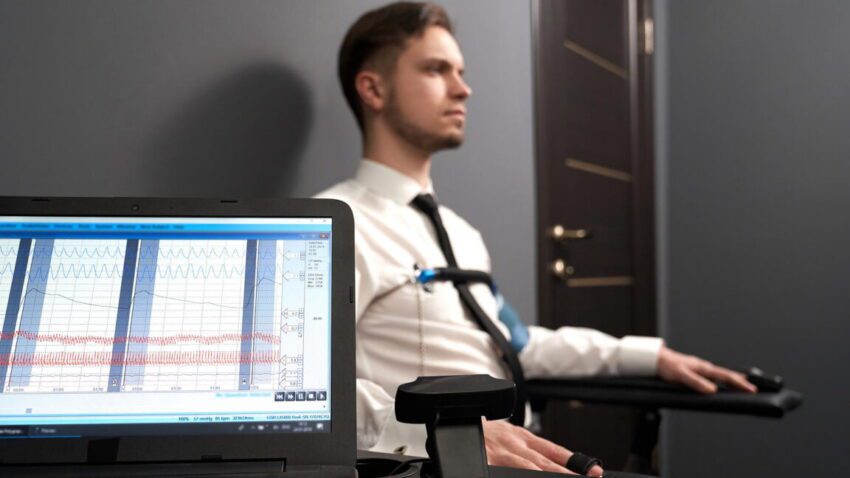
Polygraphs, commonly referred to as lie detectors, measure physiological responses such as heart rate, blood pressure, respiration, and skin conductivity while a subject answers questions. The underlying assumption is that deceptive answers will trigger physiological changes that can be detected by the machine. However, this method has been met with skepticism from various experts in psychology, law enforcement, and the scientific community.
The Science Behind Polygraphs
The scientific basis for polygraph testing is rooted in the concept of the “fight or flight” response. When individuals perceive a threat, their bodies react in ways that can be measured physiologically. Proponents argue that these responses can indicate deception. However, critics point out that many factors can influence physiological responses, including anxiety, fear, and even medical conditions.
Flaws in Polygraph Testing
Numerous studies have highlighted the significant flaws in polygraph testing. The American Psychological Association (APA) has stated that there is insufficient evidence to support the accuracy of polygraphs as a reliable means of detecting deception. Key issues include:
- False Positives: Individuals who are truthful may exhibit physiological responses that mimic those of deceptive individuals, leading to incorrect conclusions.
- False Negatives: Conversely, individuals who are deceptive may remain calm and exhibit no physiological changes, resulting in their deception going undetected.
- Subjectivity: The interpretation of polygraph results can be highly subjective, depending on the examiner’s experience and biases.
Legal and Ethical Implications
The use of polygraphs raises significant legal and ethical questions, particularly in employment and law enforcement contexts. In many cases, individuals are required to undergo polygraph testing as a condition of employment, especially in sensitive positions such as national security or law enforcement. The potential for false positives can lead to unwarranted job loss or criminal charges.
Case Studies and Legal Precedents
Several high-profile cases have brought attention to the limitations of polygraph testing. For instance, the case of former CIA officer John Kiriakou, who was convicted of leaking classified information, involved polygraph tests that were called into question during legal proceedings. Kiriakou’s defense argued that the polygraph results were unreliable and should not have been used as evidence against him.
In another instance, the U.S. Supreme Court has ruled that polygraph results are generally inadmissible in court due to their questionable reliability. This legal precedent underscores the growing skepticism surrounding the use of polygraphs in both legal and employment settings.
Alternative Methods for Assessing Truthfulness
Given the significant flaws associated with polygraph testing, researchers and law enforcement agencies have begun exploring alternative methods for assessing truthfulness. Some of these options include:
1. Voice Stress Analysis
Voice stress analysis (VSA) is a technique that examines vocal patterns and stress indicators in a person’s voice during questioning. Proponents argue that changes in voice frequency and modulation can indicate deception. However, like polygraphs, VSA has faced criticism regarding its accuracy and reliability.
2. Functional Magnetic Resonance Imaging (fMRI)
Functional MRI technology has emerged as a potential alternative for detecting deception. This method measures brain activity by detecting changes in blood flow. Some studies suggest that specific brain regions may be activated during deceptive behavior. However, the use of fMRI for lie detection is still in its infancy and raises ethical concerns regarding privacy and consent.
3. Behavioral Analysis
Behavioral analysis involves observing an individual’s non-verbal cues, such as body language and facial expressions, during questioning. Trained professionals may be able to identify signs of deception based on these cues. While this method can provide valuable insights, it is also subject to interpretation and may not be foolproof.
Stakeholder Reactions
The debate surrounding polygraph testing has elicited a range of reactions from various stakeholders, including law enforcement officials, psychologists, and civil rights advocates.
Law Enforcement Perspective
Many law enforcement agencies continue to use polygraphs as part of their investigative processes. Proponents argue that polygraphs can serve as a useful tool for gathering information and assessing credibility. However, some officials have begun to question their reliance on polygraphs, advocating for more scientifically validated methods.
Psychological Community
Psychologists and researchers have largely criticized the use of polygraphs, emphasizing the need for more reliable alternatives. They argue that the psychological factors influencing physiological responses make polygraphs inherently flawed. Many in the field advocate for the development of more scientifically grounded methods for assessing truthfulness.
Civil Rights Advocates
Civil rights organizations have raised concerns about the ethical implications of polygraph testing, particularly regarding privacy and the potential for discrimination. They argue that the use of polygraphs can lead to unjust outcomes, particularly for marginalized groups who may be disproportionately affected by false positives.
Conclusion
The case of George W. Maschke serves as a poignant reminder of the limitations of polygraph testing and the need for more reliable methods of assessing truthfulness. As the conversation surrounding polygraphs continues, it is crucial for stakeholders to consider the ethical implications and explore alternative technologies that may offer more accurate assessments. The future of lie detection may lie in advancements in neuroscience and behavioral analysis, but until then, the reliability of polygraphs remains a contentious issue.
Source: Original report
Was this helpful?
Explore more: More General Technology Tech News Blog
Last Modified: March 29, 2026 at 9:37 pm
15 views