peter thiel s big bet on solar-powered Peter Thiel’s Founders Fund has made a significant investment in the cattle management startup Halter, committing $220 million to revolutionize livestock management through innovative technology.
peter thiel s big bet on solar-powered
Understanding Halter’s Technology
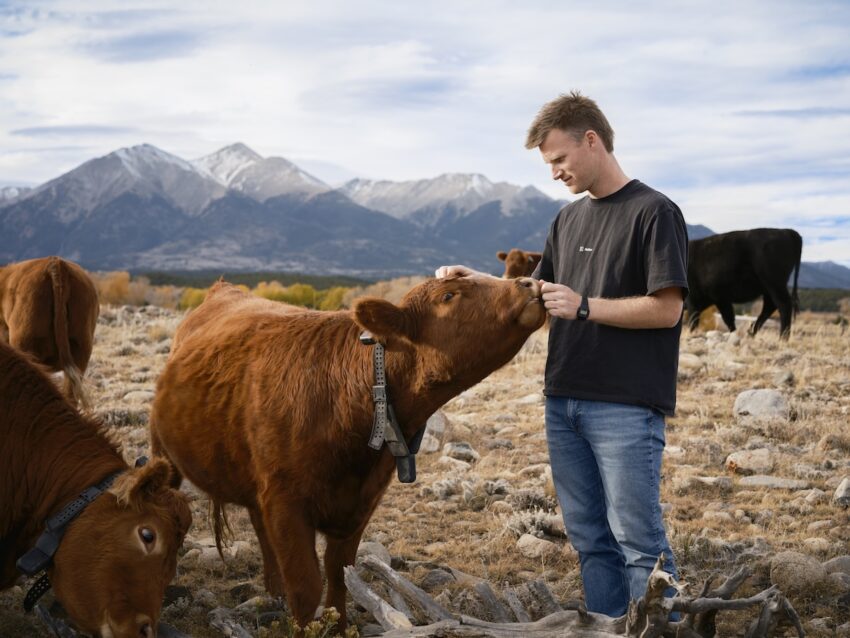
Halter, a New Zealand-based company, has developed a groundbreaking solution aimed at transforming how farmers manage their cattle. The startup has created a solar-powered collar that utilizes GPS and artificial intelligence to monitor and direct cattle movements. This technology is designed to enhance pasture management, improve animal welfare, and increase overall farm efficiency.
How the Solar-Powered Collars Work
The collars are equipped with a range of sensors and communication tools that allow farmers to track their cattle in real-time. The collars can emit sounds or vibrations to guide the animals, encouraging them to move to specific locations without the need for physical barriers or human intervention. This method not only reduces labor costs but also minimizes stress on the animals, promoting a healthier environment for livestock.
Environmental Benefits
One of the most compelling aspects of Halter’s technology is its potential environmental impact. By optimizing grazing patterns, the collars can help reduce overgrazing and promote sustainable land use. This is particularly important in the context of climate change, where sustainable agricultural practices are becoming increasingly vital. The collars can also help farmers monitor the health of their pastures, ensuring that land is used efficiently and responsibly.
The Investment Landscape
The $220 million investment from Founders Fund is part of a broader trend where venture capital is increasingly flowing into agritech startups. Investors are recognizing the potential for technology to address challenges in food production, sustainability, and animal welfare. Halter’s innovative approach aligns with these trends, making it an attractive investment opportunity.
Thiel’s Vision for the Future of Agriculture
Peter Thiel, co-founder of PayPal and a prominent venture capitalist, has long been an advocate for technological solutions to global challenges. His investment in Halter reflects a belief that the future of agriculture lies in leveraging technology to create more efficient and sustainable practices. Thiel’s track record of supporting disruptive technologies positions him as a key player in the agritech space.
Market Potential
The global market for livestock management solutions is substantial, with increasing demand for efficient farming practices driven by population growth and changing dietary preferences. As consumers become more conscious of the environmental impact of their food choices, farmers are under pressure to adopt sustainable practices. Halter’s technology provides a solution that not only meets these demands but also enhances productivity.
Stakeholder Reactions
The investment has garnered attention from various stakeholders within the agricultural sector. Farmers, environmentalists, and technology enthusiasts have expressed interest in the implications of Halter’s technology.
Farmers’ Perspectives
Many farmers view the solar-powered collars as a game-changer. The ability to manage cattle remotely can significantly reduce the time and labor required for traditional livestock management. Farmers are particularly excited about the potential for increased productivity and reduced operational costs. However, some express concerns about the initial investment required for the technology and the learning curve associated with adopting new systems.
Environmental Advocates
Environmental organizations have also reacted positively to Halter’s approach. The collars’ potential to promote sustainable grazing practices aligns with broader goals of reducing the environmental impact of agriculture. Advocates argue that technology like Halter’s could play a crucial role in mitigating climate change by promoting better land use and reducing methane emissions associated with livestock farming.
Technological Community
The tech community has shown enthusiasm for Halter’s innovative approach to solving real-world problems. Investors and entrepreneurs alike recognize the potential for agritech solutions to disrupt traditional farming practices. The intersection of technology and agriculture is seen as a fertile ground for innovation, with Halter positioned as a leader in this space.
Challenges Ahead
Despite the optimism surrounding Halter’s technology, several challenges remain. The agricultural sector is traditionally conservative, and many farmers may be hesitant to adopt new technologies. Education and support will be crucial in helping farmers understand the benefits and functionality of the solar-powered collars.
Regulatory Considerations
Additionally, regulatory hurdles may pose challenges for Halter as it seeks to expand its market presence. Compliance with agricultural regulations and standards will be essential for the company’s growth. Navigating these regulations while maintaining innovation will require strategic planning and collaboration with industry stakeholders.
Market Competition
The agritech space is becoming increasingly competitive, with numerous startups vying for attention and investment. Halter will need to differentiate itself from competitors and continuously innovate to maintain its market position. Building partnerships with farmers and agricultural organizations will be vital in establishing credibility and gaining traction in the industry.
The Future of Livestock Management
As Halter continues to develop its technology and expand its market reach, the implications for the future of livestock management are significant. The integration of AI and IoT in agriculture is expected to grow, leading to more efficient and sustainable farming practices.
Long-Term Implications
The long-term implications of Halter’s technology extend beyond individual farms. As more farmers adopt innovative solutions, the entire agricultural industry may shift towards more sustainable practices. This could lead to a reduction in the carbon footprint of livestock farming and contribute to global efforts to combat climate change.
Potential for Global Expansion
Halter’s technology is not limited to New Zealand; its potential applications are global. As the world grapples with food security challenges, solutions like Halter’s could play a crucial role in ensuring that livestock farming remains viable and sustainable. The company may explore opportunities for international expansion, adapting its technology to meet the needs of different agricultural markets.
Conclusion
Peter Thiel’s investment in Halter represents a significant step forward in the integration of technology and agriculture. The solar-powered cow collars have the potential to revolutionize livestock management, offering benefits for farmers, animals, and the environment alike. As the agritech sector continues to evolve, Halter is well-positioned to lead the charge towards a more sustainable future in farming.
Source: Original report
Was this helpful?
Last Modified: April 5, 2026 at 5:39 am
10 views