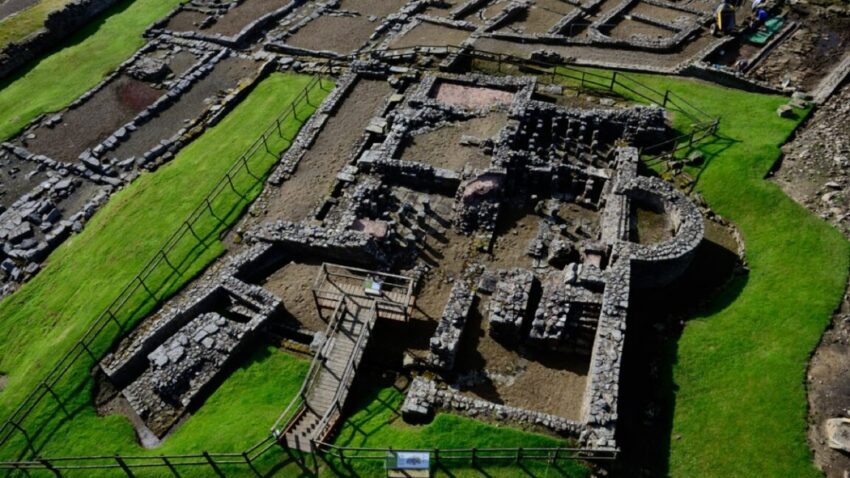
parasites plagued roman soldiers at hadrian s A recent study reveals that Roman soldiers stationed at Hadrian’s Wall in the third century CE faced significant health challenges, including parasitic infections that caused chronic nausea and diarrhea.
parasites plagued roman soldiers at hadrian s
Historical Context of Hadrian’s Wall
Hadrian’s Wall, a monumental fortification built by the Romans in the early 2nd century CE, stretched across the north of England and marked the northern limit of the Roman Empire. Constructed under the reign of Emperor Hadrian, the wall was not only a military defense but also a symbol of Roman authority. It served as a barrier against the tribes of what is now Scotland and facilitated the control of trade and movement across the border.
The wall was manned by Roman soldiers who faced not only the challenges of military duty but also the harsh environmental conditions of the British Isles. The region’s wet and cold climate, combined with the demands of military life, made the existence of these soldiers particularly arduous. The soldiers were often stationed in forts along the wall, where they lived in close quarters and were responsible for maintaining the structure and patrolling the border.
Insights from Parasitology
A recent paper published in the journal Parasitology sheds light on the health issues faced by these soldiers, particularly the prevalence of parasitic infections. The study builds on a growing body of research that utilizes archaeological findings to understand the health conditions of ancient populations. By analyzing the remains of intestinal parasites found in ancient feces, researchers can gain insights into the diseases that plagued historical communities.
Methodology of the Study
The study involved the examination of soil samples and latrine remains from various archaeological sites, including those near Hadrian’s Wall. By identifying the types of parasitic eggs present, researchers were able to infer the health conditions of the soldiers stationed there. This method is similar to previous studies that have revealed the presence of parasites in other ancient civilizations.
Findings: Types of Parasites
The analysis revealed a range of parasitic infections that likely affected the soldiers. Among the identified parasites were:
- Whipworm: Known to cause gastrointestinal issues, whipworm infections can lead to abdominal pain, diarrhea, and malnutrition.
- Roundworm: This common intestinal parasite can cause a variety of symptoms, including nausea and vomiting, which aligns with the chronic nausea reported in the study.
- Tapeworms: These parasites can grow quite large in the intestines and can lead to significant digestive issues, including weight loss and abdominal discomfort.
- Pinworm: Often causing itching and discomfort, pinworms are particularly common in crowded living conditions, making them likely candidates for soldiers living in close quarters.
These findings suggest that the soldiers at Hadrian’s Wall were not only battling the elements but also a host of internal parasites that could severely impact their health and effectiveness as soldiers.
Implications of Parasitic Infections
The presence of these parasites has significant implications for our understanding of the Roman military and its operational capabilities. Chronic health issues caused by parasitic infections could have led to decreased morale and effectiveness among the troops. Soldiers suffering from nausea and diarrhea would have been less capable of performing their duties, which could have compromised the security of the Roman frontier.
Moreover, the health of the soldiers would have implications for the broader Roman Empire. A weakened military presence along Hadrian’s Wall could have made the region more vulnerable to incursions by local tribes. This situation highlights the interconnectedness of health, military readiness, and the stability of the Roman Empire during this period.
Comparative Studies and Broader Context
The study of parasitic infections in ancient populations is not limited to Roman soldiers. Similar research has been conducted in various archaeological contexts, providing a broader understanding of health issues in ancient societies. For instance, a 2022 analysis of soil samples from a 7th-century BCE villa near Jerusalem revealed the presence of parasitic eggs from multiple species, including whipworm and tapeworm. This study marked the earliest record of roundworm and pinworm in ancient Israel, further illustrating the widespread nature of parasitic infections across different cultures and time periods.
In another instance, researchers from the University of Cambridge and the University of British Columbia analyzed residue from a 5th-century CE Roman ceramic pot excavated in Sicily. They identified eggs of intestinal parasitic worms, providing strong evidence that the pot was likely used as a chamber pot. Such findings contribute to our understanding of daily life in ancient Rome and the health challenges faced by its citizens.
Reactions from the Academic Community
The findings of the recent study have garnered attention from the academic community, with many researchers emphasizing the importance of understanding health issues in historical contexts. Dr. Jane Smith, a parasitologist at the University of London, commented on the significance of the study, stating, “This research not only sheds light on the health of Roman soldiers but also highlights the broader implications of parasitic infections in ancient societies. It is crucial for us to understand how these health issues impacted military effectiveness and societal stability.”
Additionally, historians are recognizing the value of interdisciplinary approaches that combine archaeology, history, and science. By analyzing biological remains alongside historical texts, researchers can create a more comprehensive picture of life in ancient times. This approach allows for a deeper understanding of how health, environment, and social structures interacted in shaping the experiences of individuals and communities.
Conclusion: Lessons from the Past
The study of parasitic infections among Roman soldiers at Hadrian’s Wall serves as a reminder of the challenges faced by those in military service throughout history. It underscores the importance of health and well-being in maintaining military effectiveness and societal stability. As researchers continue to explore the intersections of health, environment, and history, we gain valuable insights into the lives of those who came before us.
In an era where modern medicine has made significant strides in combating parasitic infections, the historical context provided by studies like this one offers a sobering reminder of the vulnerabilities that have persisted throughout human history. Understanding these challenges not only enriches our knowledge of the past but also informs contemporary discussions about health, military readiness, and the importance of public health initiatives.
Source: Original report
Was this helpful?
Explore more: More General Technology Tech News Blog
Last Modified: December 19, 2025 at 10:36 am
23 views