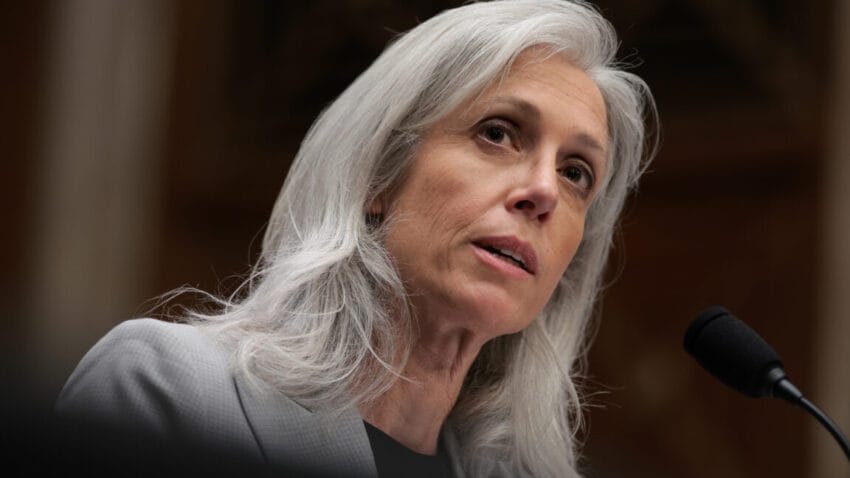
ousted cdc director to testify before senate Susan Monarez, the former director of the Centers for Disease Control and Prevention, is scheduled to testify before the Senate next week regarding her abrupt dismissal from the agency and the turmoil currently affecting public health leadership under Health Secretary Robert F. Kennedy Jr.
ousted cdc director to testify before senate
Background on Susan Monarez’s Tenure
Susan Monarez was appointed as the director of the CDC just weeks before her ousting, a position that is critical in shaping public health policy in the United States. Her brief tenure was marked by significant challenges, including navigating the complexities of the COVID-19 pandemic, addressing vaccine hesitancy, and managing the agency’s response to various health crises. Monarez’s background in public health and her previous roles within the CDC positioned her as a potentially stabilizing force in a tumultuous environment.
However, her time in office was overshadowed by the controversial leadership of Robert F. Kennedy Jr., a well-known figure in the anti-vaccine movement. Kennedy’s appointment as Health Secretary raised eyebrows among public health experts and advocates, given his history of promoting misinformation about vaccines. Critics expressed concern that his leadership could undermine the CDC’s credibility and effectiveness in combating public health threats.
The Circumstances of Monarez’s Ousting
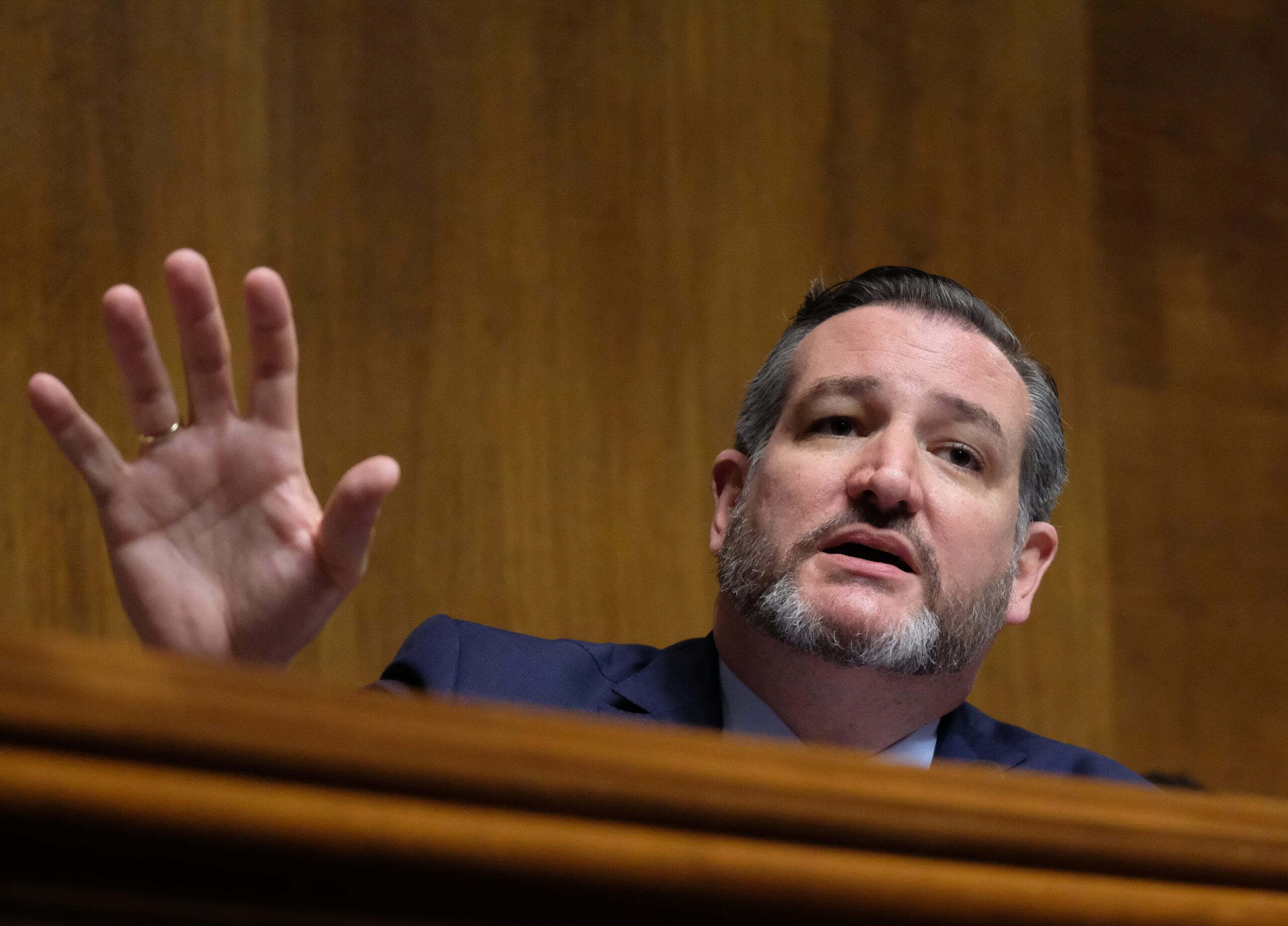
Monarez’s departure from the CDC has been a subject of intense scrutiny. In a recent hearing before the Senate Finance Committee, Kennedy made headlines by accusing Monarez of being untrustworthy. He claimed that he had fired her after asking her directly if she was a trustworthy person, to which she allegedly responded “no.” This assertion was met with skepticism from several senators, including Sen. Thom Tillis (R-N.C.), who pointed out the absurdity of confirming someone for a high-ranking position without first assessing their trustworthiness.
Monarez’s account of her firing, published in an op-ed in The Wall Street Journal, presents a starkly different narrative. She stated that her dismissal was not due to any personal failings but rather a refusal to comply with Kennedy’s directives. According to her, Kennedy had instructed her to terminate senior CDC staff and pre-approve vaccine recommendations from an advisory committee that he had filled with individuals who share his anti-vaccine views. This revelation raises serious questions about the integrity of the decision-making processes within the CDC and the potential politicization of public health policy.
Implications for Public Health Policy
The implications of Monarez’s ousting extend beyond her personal career. The CDC plays a vital role in guiding public health initiatives, particularly in times of crisis. The agency’s ability to operate independently and make science-based decisions is crucial for maintaining public trust and effectively managing health emergencies. If the leadership is perceived as being influenced by political agendas, it could undermine the agency’s credibility and effectiveness.
Moreover, the ongoing chaos within the CDC could have far-reaching consequences for public health in the United States. With vaccine hesitancy already a significant challenge, the potential for further misinformation and disinformation to proliferate under Kennedy’s leadership is alarming. Public health experts have long emphasized the importance of clear, consistent messaging in combating vaccine misinformation, and any deviation from this could exacerbate existing challenges.
Stakeholder Reactions
The reactions to Monarez’s ousting and Kennedy’s leadership have been varied, reflecting the polarized nature of public health discourse in the United States. Public health experts, advocates, and lawmakers have expressed concern over the implications of Kennedy’s anti-vaccine stance on the CDC’s operations.
Public Health Experts
Many public health experts have voiced their apprehensions regarding the direction of the CDC under Kennedy’s leadership. They argue that the agency must remain committed to evidence-based practices and prioritize public health over political considerations. The fear is that Kennedy’s influence could lead to a shift away from scientifically grounded policies, ultimately jeopardizing the health of the population.
Political Reactions
Lawmakers from both sides of the aisle have also weighed in on the situation. Some Republican senators have expressed skepticism about Kennedy’s claims, while Democrats have raised alarms about the potential erosion of public health standards. The bipartisan concern underscores the gravity of the situation and the need for accountability within the CDC.
The Role of Misinformation in Public Health
The controversy surrounding Monarez’s ousting highlights the broader issue of misinformation in public health. The rise of social media and the rapid spread of false information have made it increasingly challenging for public health agencies to communicate effectively with the public. Misinformation about vaccines, in particular, has led to increased vaccine hesitancy, which poses a significant threat to community health.
In this context, the leadership of the CDC is more critical than ever. The agency must not only combat misinformation but also work to rebuild public trust in vaccines and public health initiatives. This task becomes increasingly difficult when the agency’s leadership is perceived as lacking credibility or being influenced by political agendas.
Looking Ahead: The Future of the CDC
As Monarez prepares to testify before the Senate, the future of the CDC hangs in the balance. Her testimony could shed light on the inner workings of the agency and the challenges it faces under Kennedy’s leadership. The Senate’s response to her testimony may also influence the direction of the CDC moving forward.
There is a pressing need for the CDC to reaffirm its commitment to science and public health. The agency must navigate the complexities of political pressures while remaining steadfast in its mission to protect the health of the American public. This will require strong leadership, transparent communication, and a willingness to confront misinformation head-on.
Conclusion
The upcoming Senate testimony by Susan Monarez represents a critical moment for the CDC and public health in the United States. As the agency grapples with the fallout from her ousting and the ongoing influence of anti-vaccine sentiment, the need for accountability and integrity in public health leadership has never been more apparent. The outcome of this testimony may have lasting implications for the CDC’s credibility and effectiveness in addressing the health challenges facing the nation.
Source: Original report
Was this helpful?
Explore more: More General Technology Tech News Blog
Last Modified: September 11, 2025 at 2:37 am
9 views