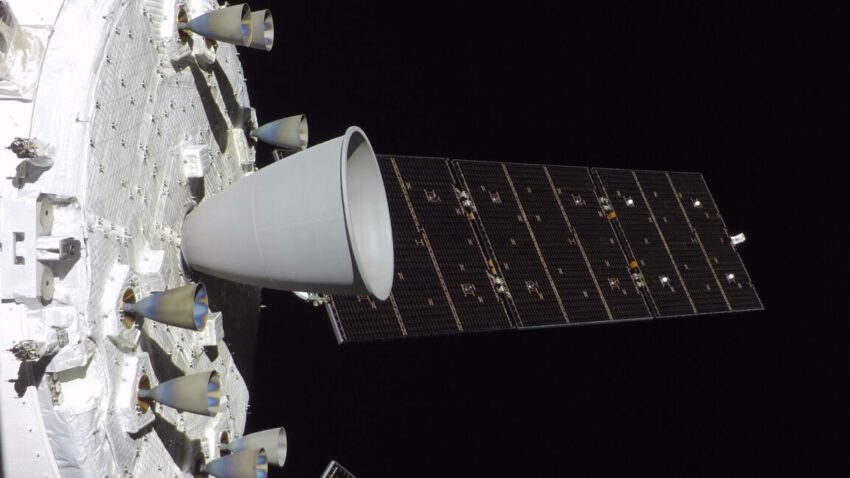
orion helium leak no threat to artemis A helium leak detected in NASA’s Orion spacecraft will necessitate a redesign, but it poses no immediate threat to the Artemis II mission’s reentry.
orion helium leak no threat to artemis
Overview of the Artemis II Mission
The Artemis II mission, which launched on April 1, 2026, marks a significant milestone in NASA’s efforts to return humans to the Moon. This mission is part of the broader Artemis program, aimed at establishing a sustainable human presence on the lunar surface and eventually paving the way for future Mars exploration. The Artemis II mission is particularly noteworthy as it carries a crew of four astronauts aboard the Orion spacecraft, named Integrity, on a lunar flyby. This mission serves as a crucial test of the spacecraft’s systems and capabilities before future missions that will land astronauts on the Moon.
Current Status of the Mission
Despite some minor issues, such as problems with the spacecraft’s toilet and waste disposal system, the Artemis II mission has largely proceeded according to plan. Ground controllers have made few adjustments to the flight plan since the mission’s launch. However, as the astronauts approached Earth following their lunar encounter, mission managers made the decision to revise the timeline to accommodate additional testing of the spacecraft’s propulsion system.
Helium Leak Discovery
During the mission, a “small leak” of helium gas was detected. Helium plays a critical role in the Orion spacecraft’s operations, as it is used to push propellant through a series of tanks and pipes that feed the spacecraft’s rocket engines. The leak was identified during routine monitoring of the spacecraft’s systems, prompting mission managers to prioritize a test of the propulsion system over a planned manual piloting demonstration.
Impact on the Mission
NASA’s lead flight director for the Artemis II mission, Jeff Radigan, emphasized that the helium leak does not pose a threat to the safety of the crew or the mission’s objectives. The decision to cancel the manual control demonstration was made to ensure that the propulsion system could be thoroughly evaluated. This proactive approach reflects NASA’s commitment to safety and reliability, especially given the complexities involved in space travel.
Technical Implications of the Helium Leak
The helium leak raises important technical considerations for the Orion spacecraft. Helium is essential for maintaining the pressure in the propellant tanks and ensuring the proper functioning of the propulsion system. A leak could potentially affect the spacecraft’s ability to maneuver and perform necessary orbital adjustments during critical phases of the mission.
Redesign Requirements
In light of the helium leak, NASA is now focusing on a redesign of the affected systems within the Orion spacecraft. The goal is to address the leak and enhance the overall reliability of the propulsion system. This redesign will likely involve a thorough analysis of the current system architecture, materials, and components used in the helium delivery system.
Potential Solutions
While specific details about the redesign have not yet been disclosed, potential solutions may include:
- Improved Sealing Mechanisms: Enhancing the seals used in the helium delivery system to prevent leaks.
- Material Upgrades: Utilizing more durable materials that can withstand the pressures and conditions of space travel.
- Redundant Systems: Implementing backup systems to ensure that if one component fails, others can take over to maintain functionality.
Stakeholder Reactions
The discovery of the helium leak and the subsequent decision to redesign parts of the Orion spacecraft have elicited a range of reactions from stakeholders involved in the Artemis program. Astronauts, engineers, and mission planners have all expressed their commitment to ensuring the success of the mission while prioritizing crew safety.
Astronauts’ Perspective
The astronauts aboard Artemis II have expressed confidence in NASA’s ability to address the helium leak. They understand the complexities of space missions and the importance of thorough testing and evaluation. Astronauts often undergo extensive training to prepare for unexpected challenges, and they are well aware that issues can arise during any phase of a mission.
Engineering Community Response
Members of the engineering community have praised NASA’s transparent approach to addressing the helium leak. Many engineers emphasize the importance of identifying and rectifying issues before they escalate into more significant problems. The proactive measures taken by NASA demonstrate a commitment to safety and reliability, which is crucial for the success of future missions.
Future Implications for Artemis Program
The helium leak and the subsequent redesign of the Orion spacecraft could have broader implications for the Artemis program as a whole. As NASA continues to develop and refine its lunar exploration capabilities, lessons learned from the Artemis II mission will inform future missions, including Artemis III, which aims to land astronauts on the lunar surface.
Lessons Learned
Each mission in the Artemis program serves as a learning opportunity, providing valuable insights into the challenges and complexities of space travel. The helium leak incident underscores the importance of rigorous testing and validation of spacecraft systems. As NASA prepares for future missions, it will likely place an even greater emphasis on system reliability and redundancy to mitigate risks.
Long-Term Goals of the Artemis Program
The Artemis program is not just about returning humans to the Moon; it is also about establishing a sustainable presence that can support future exploration efforts. NASA envisions a lunar base that will serve as a launching point for missions to Mars and beyond. Addressing technical challenges like the helium leak is crucial for achieving these long-term goals.
Conclusion
In summary, while the helium leak discovered in the Orion spacecraft presents a challenge, it does not compromise the safety of the Artemis II crew or the mission’s objectives. NASA’s decision to prioritize testing and redesigning affected systems reflects a commitment to safety and reliability. As the Artemis program continues to evolve, the lessons learned from this incident will play a vital role in shaping the future of lunar exploration and beyond.
Source: Original report
Was this helpful?
Explore more: DevOps Services More Cloud & DevOps Tech News
Last Modified: April 10, 2026 at 10:35 am
17 views