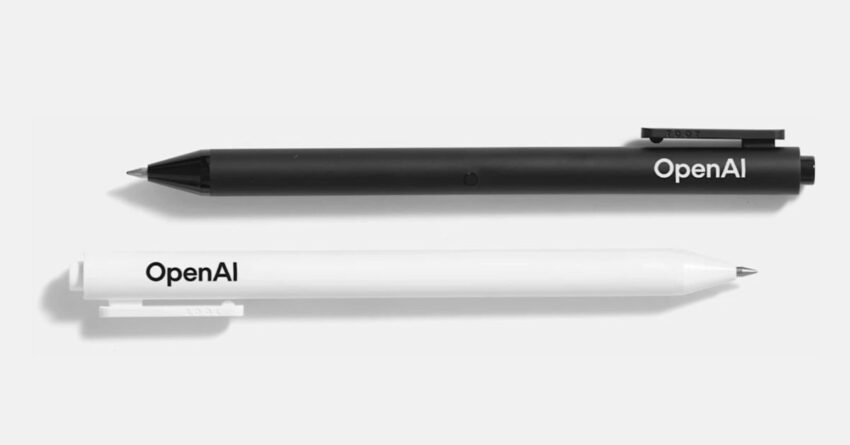
openai teases hardware unveil this year as OpenAI is poised to unveil its first hardware product in 2026, as indicated by the company’s policy chief, alongside significant developments within Jony Ive’s design team, which has recently expanded by hiring more alumni from Apple.
openai teases hardware unveil this year as
OpenAI’s Hardware Ambitions
OpenAI, a leader in artificial intelligence research and deployment, has primarily focused on software solutions, such as its widely recognized language model, ChatGPT. However, the company is now signaling a shift towards hardware development. This strategic pivot could potentially change the landscape of AI integration into everyday technology.
According to OpenAI’s policy chief, the company is gearing up for a hardware launch this year. While specific details about the product remain under wraps, the announcement has generated considerable excitement and speculation within the tech community. The move into hardware aligns with a growing trend among tech companies to create integrated ecosystems that combine software and hardware for enhanced user experiences.
Contextualizing OpenAI’s Hardware Strategy
The decision to venture into hardware is not entirely surprising. As AI technologies become more sophisticated, the demand for specialized hardware capable of supporting these advancements is increasing. Companies like NVIDIA have already capitalized on this trend by developing powerful GPUs tailored for AI workloads. OpenAI’s entry into this space could signify its ambition to create a more seamless interaction between AI models and the devices that utilize them.
Moreover, the integration of hardware and software could allow OpenAI to optimize performance and efficiency, providing users with a more robust experience. For instance, a dedicated hardware solution could enable faster processing times for AI applications, reducing latency and improving overall functionality.
Jony Ive’s Influence at OpenAI
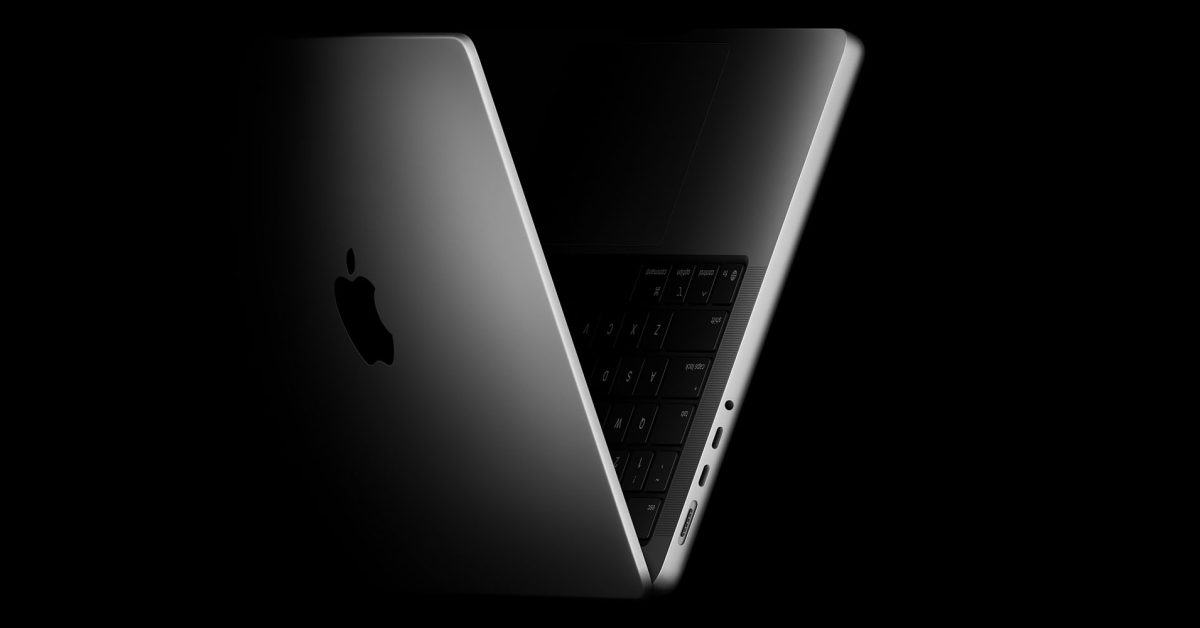
Jony Ive, the former Chief Design Officer at Apple, is leading a team at OpenAI known as ‘io.’ This team is reportedly focused on creating innovative hardware products that embody the same design philosophy that made Apple products iconic. The recent hiring of additional Apple alumni suggests that OpenAI is serious about its hardware ambitions and is looking to leverage the expertise of seasoned professionals in the field.
Ive’s design ethos emphasizes simplicity, functionality, and aesthetic appeal. These principles could play a crucial role in shaping the design of OpenAI’s hardware products. The combination of cutting-edge technology and thoughtful design could set OpenAI apart from competitors in the burgeoning AI hardware market.
Implications of Hiring Apple Veterans
The recruitment of Apple veterans into the ‘io’ team is a strategic move that could have far-reaching implications for OpenAI. These professionals bring a wealth of experience in product design, user experience, and engineering, all of which are critical components in developing successful hardware products.
Furthermore, the hiring of individuals who have previously worked at Apple may also signal OpenAI’s intention to create products that prioritize user experience. Apple’s success has often been attributed to its focus on design and usability, and OpenAI appears to be aiming for a similar approach. This could lead to hardware products that are not only functional but also intuitive and enjoyable to use.
The Competitive Landscape
As OpenAI prepares to enter the hardware market, it will face competition from established players and new entrants alike. Companies like Google, Amazon, and Microsoft have already made significant investments in AI hardware, creating a competitive landscape that OpenAI must navigate carefully.
Google, for instance, has developed its Tensor Processing Units (TPUs) specifically designed for machine learning tasks. Similarly, Amazon’s AWS offers a range of AI services that leverage specialized hardware. Microsoft’s Azure platform also includes AI capabilities that are supported by custom hardware solutions.
In this context, OpenAI’s hardware offerings will need to differentiate themselves to capture market share. This could involve focusing on unique features, superior performance, or innovative design elements that resonate with consumers and businesses alike.
Potential Market Impact
The introduction of OpenAI’s hardware could have significant implications for various sectors, including education, healthcare, and entertainment. For example, in education, AI-powered devices could facilitate personalized learning experiences, adapting to individual student needs and learning styles. In healthcare, AI hardware could assist in diagnostics and patient care, improving outcomes and efficiency.
Moreover, the entertainment industry could see transformative changes as well. AI-driven hardware could enhance gaming experiences, create more immersive virtual environments, and streamline content creation processes. The potential applications are vast, and OpenAI’s entry into this space could catalyze further innovation across multiple industries.
Stakeholder Reactions
The announcement of OpenAI’s hardware plans has elicited a range of reactions from stakeholders across the technology sector. Investors are particularly interested in how this move could impact OpenAI’s valuation and market position. Many see the potential for significant growth, especially if the hardware products resonate with consumers and businesses.
Industry analysts have also weighed in, noting that OpenAI’s hardware ambitions could lead to increased competition in the AI space. Some experts believe that this could drive innovation, pushing other companies to enhance their offerings and invest more in research and development.
Consumer Expectations
As OpenAI prepares to unveil its hardware, consumer expectations will play a crucial role in shaping the success of its products. Given the company’s reputation for cutting-edge AI technology, consumers will likely anticipate high-performance hardware that integrates seamlessly with existing software solutions.
Additionally, consumers may expect OpenAI to prioritize ethical considerations in its hardware development. As AI technologies continue to raise concerns about privacy, security, and bias, stakeholders will be looking for transparency and accountability in how OpenAI approaches these issues in its hardware offerings.
The Road Ahead
Looking forward, OpenAI’s journey into hardware development will be closely watched by industry observers and competitors alike. The company’s ability to successfully navigate this transition will depend on several factors, including its design philosophy, technological capabilities, and market positioning.
As OpenAI continues to build its team and refine its hardware strategy, the tech community will be eager to see how the company leverages its expertise in AI to create innovative products. The potential for disruption in the hardware market is significant, and OpenAI’s entry could herald a new era of AI-powered devices.
In conclusion, OpenAI’s foray into hardware represents a pivotal moment for the company and the broader technology landscape. With Jony Ive’s design leadership and a team enriched by Apple veterans, the company is well-positioned to make a meaningful impact. As 2026 unfolds, all eyes will be on OpenAI to see how it translates its vision into tangible products that could redefine the intersection of AI and hardware.
Source: Original report
Was this helpful?
Last Modified: January 20, 2026 at 1:59 am
0 views