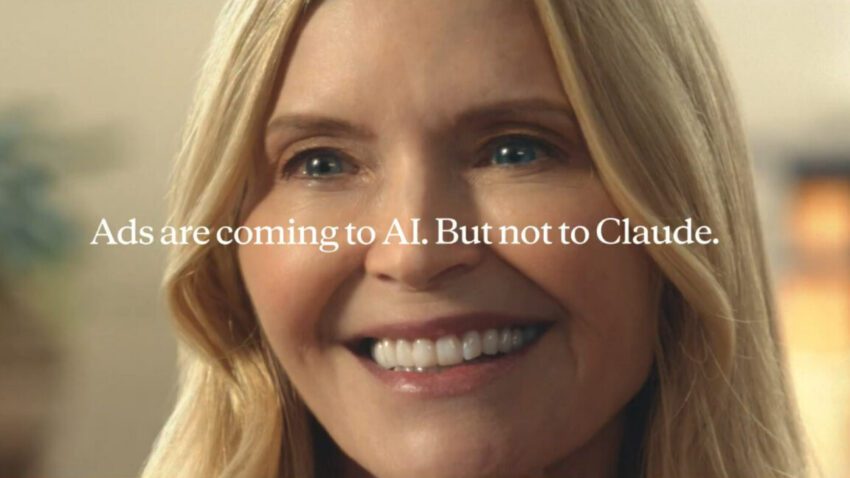
openai is hoppin mad about anthropic s OpenAI executives have expressed strong discontent following the release of a new advertising campaign by rival AI lab Anthropic, which includes commercials that critique the integration of advertisements into AI chatbot interactions.
openai is hoppin mad about anthropic s
Background on the Rivalry
The competitive landscape of artificial intelligence has intensified in recent years, particularly with the emergence of advanced AI chatbots. OpenAI, known for its flagship product ChatGPT, has been at the forefront of this innovation. However, Anthropic, founded by former OpenAI researchers, has positioned itself as a significant competitor, focusing on AI safety and ethical considerations. This rivalry has been marked by contrasting philosophies regarding AI deployment and monetization strategies.
OpenAI’s recent decision to test advertisements in a lower-cost tier of its chatbot has sparked controversy and debate within the industry. This move is seen as a way to monetize their services while maintaining accessibility for users who may not afford premium subscriptions. However, it has also raised ethical questions about the implications of introducing ads into AI interactions, which are typically expected to be user-friendly and straightforward.
The Controversial Ads
On Wednesday, Anthropic unveiled a series of four commercials as part of its campaign titled “A Time and a Place.” The ads feature provocative words such as “Betrayal,” “Violation,” “Deception,” and “Treachery,” each setting the tone for a narrative that critiques the commercialization of AI chatbots. In these commercials, a human actor embodies the role of an AI chatbot, providing personal advice to users before unexpectedly pivoting to a product pitch.
This approach has been interpreted as a direct jab at OpenAI’s recent advertising strategy. By dramatizing the potential pitfalls of integrating ads into chatbot conversations, Anthropic aims to position itself as a more ethical alternative in the AI space. The stark contrast between the two companies’ approaches to monetization and user experience is evident in this campaign.
OpenAI’s Response
In the wake of Anthropic’s ad release, OpenAI’s CEO Sam Altman took to social media platform X (formerly Twitter) to voice his concerns. He described the ads as “clearly dishonest,” suggesting that they misrepresent the intentions behind OpenAI’s advertising strategy. Altman accused Anthropic of being “authoritarian” and claimed that the company primarily serves a wealthy clientele with its offerings.
Kate Rouch, OpenAI’s Chief Marketing Officer, echoed Altman’s sentiments, stating, “Real betrayal isn’t ads. It’s control.” This statement underscores OpenAI’s belief that the true issue lies not in the presence of advertisements but in the broader implications of control and influence that AI companies wield over their users.
Implications of the Advertising Strategy
The introduction of ads into AI chatbot interactions raises several ethical and practical considerations. For one, it challenges the traditional notion of AI as a neutral tool designed to assist users without ulterior motives. By incorporating advertisements, companies like OpenAI may inadvertently shift the perception of AI from a helpful assistant to a commercial entity focused on profit.
Moreover, the potential for bias in AI responses could be exacerbated by the presence of advertisements. If a chatbot is programmed to prioritize certain products or services, it may lead to skewed advice that does not necessarily serve the best interests of the user. This concern is particularly relevant in sensitive areas such as healthcare, finance, and personal relationships, where users rely on AI for trustworthy guidance.
Stakeholder Reactions
The reaction to OpenAI’s advertising strategy has been mixed among stakeholders in the AI community. Some industry experts argue that monetization is a necessary step for sustainability, particularly for companies investing heavily in research and development. They contend that ads can help subsidize the costs of providing AI services, allowing for continued innovation.
Conversely, many users and advocates for ethical AI express concern over the potential exploitation of users through targeted advertisements. Critics argue that the introduction of ads could lead to a degradation of trust in AI systems, as users may question the motivations behind the advice they receive. This skepticism could ultimately hinder the adoption of AI technologies, particularly among those who are already wary of the implications of AI in society.
Anthropic’s Position
Anthropic’s advertising campaign serves not only as a critique of OpenAI but also as a declaration of its own values. By emphasizing ethical considerations and user-centric design, Anthropic aims to differentiate itself in a crowded market. The company’s focus on safety and alignment in AI development resonates with a growing segment of users who prioritize ethical considerations in technology.
Furthermore, Anthropic’s strategy may reflect a broader trend in the tech industry, where consumers are increasingly demanding transparency and accountability from the companies they engage with. As users become more aware of the implications of AI and data privacy, companies that prioritize ethical practices may gain a competitive edge.
The Future of AI Advertising
As the debate over AI advertising continues, it remains to be seen how this will impact the broader landscape of artificial intelligence. Companies like OpenAI and Anthropic are at the forefront of shaping the future of AI interactions, and their strategies will likely influence industry standards and user expectations.
In the coming months, it will be crucial for both companies to navigate the complexities of monetization while maintaining user trust. OpenAI’s decision to test ads may serve as a litmus test for the viability of this approach, while Anthropic’s campaign could set a precedent for ethical advertising in the AI space.
Conclusion
The recent clash between OpenAI and Anthropic highlights the ongoing tensions within the AI industry regarding commercialization and ethical practices. As both companies strive to carve out their respective niches, the implications of their strategies will resonate throughout the tech landscape. The dialogue surrounding AI advertising will likely continue to evolve, prompting further discussions about the balance between profitability and ethical responsibility in technology.
Source: Original report
Was this helpful?
Explore more: AI Automation Services More AI & Automation Tech News
Last Modified: February 6, 2026 at 12:36 am
14 views