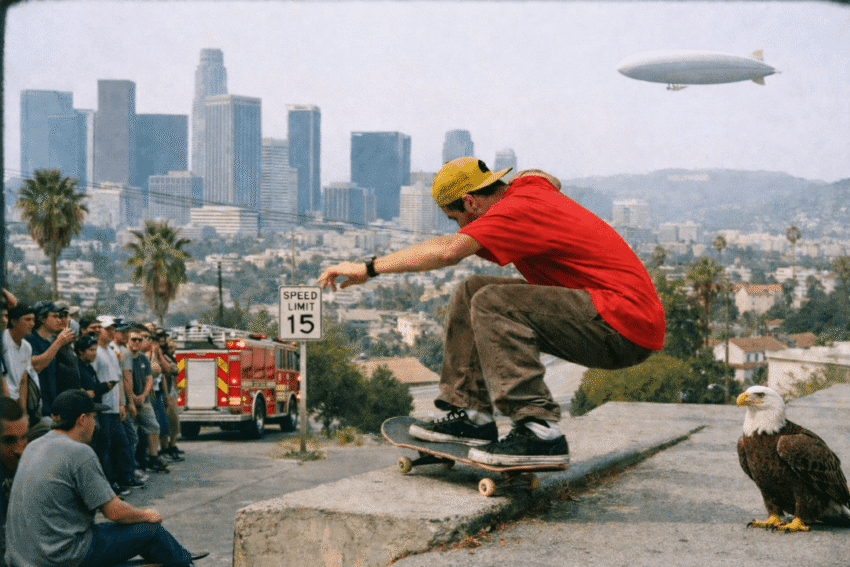
openai continues on its code red warpath OpenAI has unveiled its latest advancement in artificial intelligence with the launch of GPT Image 1.5 for ChatGPT, a model that boasts significant improvements in image generation capabilities.
openai continues on its code red warpath
Overview of GPT Image 1.5
OpenAI’s GPT Image 1.5 represents a substantial upgrade over its predecessor, offering users a more efficient and effective tool for generating images. The new model promises to deliver image outputs four times faster than before, enhancing the user experience significantly. This speed increase is particularly important in a landscape where quick turnaround times are critical for creative professionals and casual users alike.
Enhanced Instruction-Following
One of the standout features of GPT Image 1.5 is its improved ability to follow user instructions. This enhancement allows for more precise image generation based on specific user requests. Whether a user is looking for a particular style, theme, or subject matter, the model’s refined understanding of instructions aims to produce results that closely align with user expectations. This capability is essential for artists, designers, and content creators who rely on AI to bring their visions to life.
Precision in Edits
In addition to faster generation and better instruction adherence, GPT Image 1.5 also offers enhanced precision in editing existing images. Users can expect more accurate modifications, allowing for seamless integration of new elements or alterations to existing ones. This feature is particularly beneficial for professionals in graphic design and marketing, where the ability to make quick and precise edits can significantly impact project timelines and outcomes.
Implications for the AI Landscape
The launch of GPT Image 1.5 not only marks a significant milestone for OpenAI but also intensifies the ongoing rivalry with Google Gemini, another major player in the AI field. As both companies continue to innovate and push the boundaries of what AI can achieve, the competition is expected to drive further advancements in technology and user experience.
Competitive Landscape
The rivalry between OpenAI and Google has been escalating for some time, with both companies vying for dominance in the AI sector. Google’s Gemini has made headlines for its own advancements, and the introduction of GPT Image 1.5 is likely to provoke a response from Google as it seeks to maintain its competitive edge. This back-and-forth between the two tech giants could lead to rapid advancements in AI capabilities, benefiting users across various industries.
Market Reactions
Initial reactions from industry experts and users have been largely positive. Many have praised OpenAI for its commitment to improving user experience and pushing the boundaries of image generation technology. The speed and precision enhancements are seen as significant steps forward, particularly in a market that increasingly demands high-quality, rapid outputs.
However, some analysts caution that the rapid pace of innovation could lead to challenges in ensuring ethical use of AI technologies. As capabilities expand, so too do concerns about misuse and the potential for generating misleading or harmful content. OpenAI has faced scrutiny in the past regarding the ethical implications of its technologies, and the launch of GPT Image 1.5 may reignite discussions about responsible AI use.
Technical Specifications
While OpenAI has not disclosed all technical specifications for GPT Image 1.5, some details have emerged that highlight the model’s capabilities. The architecture of the model has been optimized for speed, allowing for quicker processing times without sacrificing quality. This optimization is crucial for applications that require real-time image generation, such as live events or interactive installations.
Use Cases
The potential applications for GPT Image 1.5 are vast and varied. Here are some notable use cases:
- Creative Industries: Artists and designers can leverage the model to generate unique artwork, illustrations, and marketing materials. The ability to quickly produce high-quality images can streamline workflows and inspire new creative directions.
- Advertising: Marketers can use GPT Image 1.5 to create compelling visuals for campaigns, allowing for rapid iteration and testing of different concepts.
- Entertainment: Game developers and filmmakers can utilize the model to generate concept art or visual effects, enhancing the storytelling experience.
- Education: Educators can create engaging visual content for presentations and learning materials, making complex subjects more accessible to students.
Future Developments
As OpenAI continues to refine its image generation technologies, the company is likely to explore additional features and enhancements for future iterations of the GPT Image model. Potential areas for development could include:
- Integration with Other AI Tools: OpenAI may look to integrate GPT Image 1.5 with other AI models, such as those focused on text generation or natural language processing, creating a more cohesive and versatile suite of tools.
- Customization Options: Future updates could allow users to customize the model’s outputs further, tailoring the generated images to specific styles or preferences.
- Ethical Safeguards: In response to concerns about misuse, OpenAI may implement additional safeguards to ensure responsible use of the technology, including content moderation features.
Conclusion
The launch of GPT Image 1.5 marks a significant advancement in the field of AI-driven image generation. With its faster processing times, improved instruction-following capabilities, and enhanced precision in edits, OpenAI is positioning itself as a leader in the competitive landscape of artificial intelligence. As the rivalry with Google Gemini intensifies, users can expect continued innovation and improvements in AI technologies that will shape the future of creative industries and beyond.
Source: Original report
Was this helpful?
Explore more: AI Automation Services More AI & Automation Tech News
Last Modified: December 17, 2025 at 9:44 am
25 views